Passing Through History
The past is the largest study ever conducted.

Passing Through History

The past is the largest study ever conducted.

Articles — Page 4

Ghosts of the Iron Horse: How Railroad Barons Decided Which Towns Would Live or Die
Travel

Ghosts of the Iron Horse: How Railroad Barons Decided Which Towns Would Live or Die

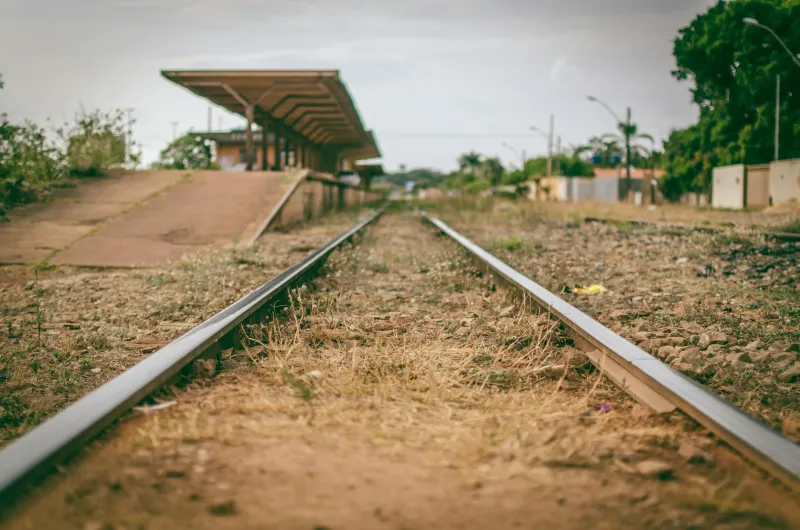
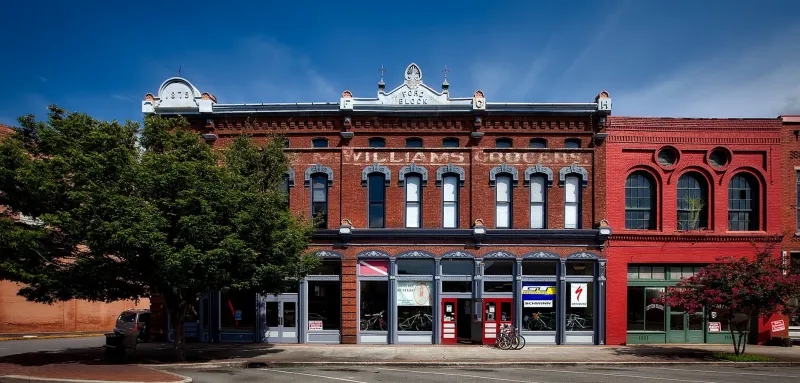
Scattered across America are the bones of towns that made one fatal mistake: they assumed geography mattered more than money. The railroad age reveals how human nature—greed, negotiation, and backroom deals—shaped the continent more than rivers or mountains ever did.

Mar 19, 2026
Phoenix Complex: Why Some American Towns Keep Rising From Their Own Ashes
Travel

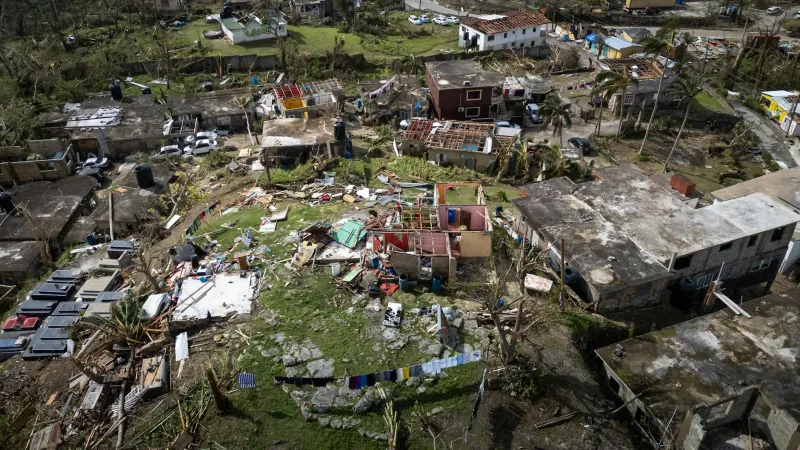
Phoenix Complex: Why Some American Towns Keep Rising From Their Own Ashes

From Peshtigo to Paradise, certain American communities have rebuilt on the same cursed ground after repeated catastrophes, defying all logic. Their stubborn resurrection reveals something fundamental about human psychology that hasn't changed since we first started clustering around dangerous riverbanks and earthquake faults.

Mar 19, 2026

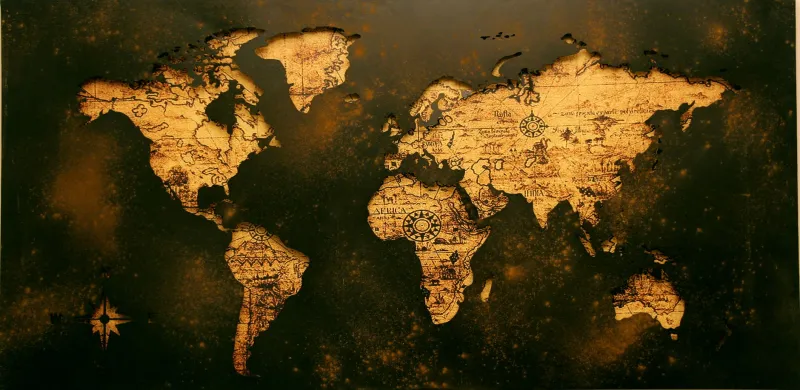
Paper Territories: How Every Map You've Ever Trusted Was Someone's Sales Pitch
Travel

Paper Territories: How Every Map You've Ever Trusted Was Someone's Sales Pitch

From medieval monsters guarding trade routes to real estate developers sketching phantom railroads across empty prairie, cartographers have spent centuries selling dreams disguised as geography. The psychology of believing what we see drawn on paper hasn't changed — we still fall for the same visual tricks that convinced our ancestors to sail toward imaginary islands.

Mar 18, 2026

When Fear Sold Papers: The Crime Waves That Never Were
Digital History

When Fear Sold Papers: The Crime Waves That Never Were

Decades before social media algorithms discovered that outrage drives engagement, American newspaper editors mastered the art of manufacturing panic to sell papers. The buildings, neighborhoods, and institutions they shaped with fictional crime waves still define our cities today.

Mar 18, 2026

Where Lightning Strikes Twice: The Strange Psychology of Rebuilding in Harm's Way
Travel

Where Lightning Strikes Twice: The Strange Psychology of Rebuilding in Harm's Way

From the ashes of Galveston to the fault lines of San Francisco, Americans have a peculiar habit of rebuilding exactly where disaster struck before. This isn't stupidity — it's an ancient human impulse that reveals more about our psychology than any college experiment ever could.

Mar 18, 2026

Underwater Ghost Towns: When America Chose Progress Over Place
Travel

Underwater Ghost Towns: When America Chose Progress Over Place

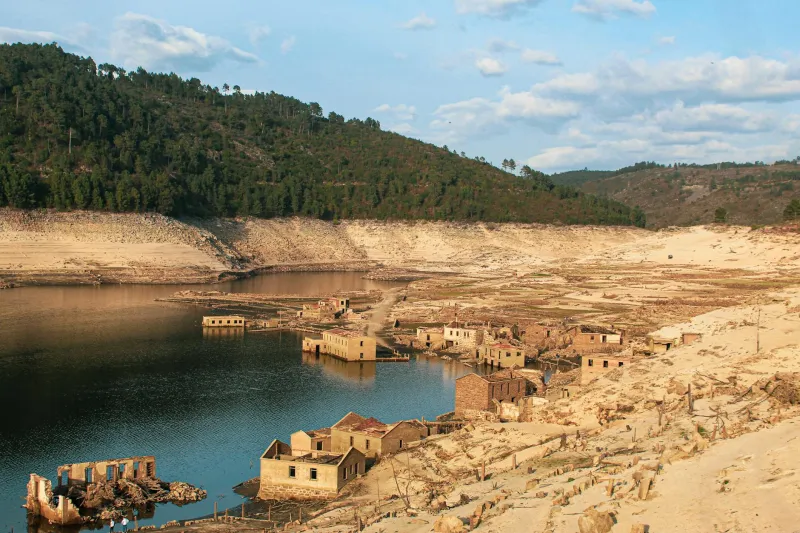
Throughout the 20th century, entire American communities vanished beneath man-made lakes in the name of progress and the greater good. These deliberate drownings reveal timeless patterns of how societies convince themselves that erasure equals advancement.

Mar 17, 2026

Authentic Fraud: The Tourist Trap Economy That's Older Than America
Travel

Authentic Fraud: The Tourist Trap Economy That's Older Than America

Before you could buy a 'Made in China' dreamcatcher at the Grand Canyon, wealthy Europeans were getting scammed by Venetian glassblowers selling 'ancient' artifacts. The psychology of tourist gullibility hasn't changed in 300 years — only the assembly lines have gotten more efficient.

Mar 17, 2026

Love for Hire: How the Wedding Industry Invented Romance to Sell You a Trip
Travel

Love for Hire: How the Wedding Industry Invented Romance to Sell You a Trip

The honeymoon wasn't born from love—it was designed by lawyers, railroad barons, and hotel owners who needed to solve very practical problems. What we call romantic tradition is actually a 200-year-old marketing campaign that's still running.

Mar 16, 2026

The Bronze Version of Truth: America's Selective Memory Cast in Metal
Travel

The Bronze Version of Truth: America's Selective Memory Cast in Metal

Every historical marker you pass on American roads represents someone's victory in the battle over whose version of the past gets official recognition. The stories these bronze plaques don't tell reveal as much about human nature as the ones they do.

Mar 16, 2026

The View Was Always for Sale: The Calculated Commerce Behind America's Most Mythologized Roads
Architecture

The View Was Always for Sale: The Calculated Commerce Behind America's Most Mythologized Roads

The Blue Ridge Parkway, Route 66, and the Pacific Coast Highway are sold as pure American freedom — open road, no agenda, just the view. But each of these routes was engineered and marketed by boosters, federal agencies, and chambers of commerce trying to move money through specific corridors in specific directions. Understanding the hustle behind the scenery doesn't ruin the drive. It makes it considerably more interesting.

Mar 13, 2026

Going Once, Going Twice, Gone: The American Towns That Voted to Erase Themselves
Travel

Going Once, Going Twice, Gone: The American Towns That Voted to Erase Themselves

Dozens of American communities have looked at their own futures and decided, collectively, that disappearing was the better option. The psychology behind those votes hasn't changed much — and neither has the argument. Visit the places where towns used to be and you'll find a surprisingly consistent blueprint for how humans agree on an ending.

Mar 13, 2026

The Epidemic Isn't Over Until the Argument Is Over: America's Repeating Pattern of Contested Endings
Digital History

The Epidemic Isn't Over Until the Argument Is Over: America's Repeating Pattern of Contested Endings

Yellow fever, cholera, the 1918 flu, polio — none of them ended with a clear finish line. Each one wound down through the same messy, contested, drawn-out negotiation where half the country declared victory while the other half was still counting the sick. That's not a bug in how Americans handle disease. The historical record suggests it's exactly how this always goes.

Mar 13, 2026

Marble and Grievance: How Losing a Fight Turns Into the Best Buildings in Town
Architecture

Marble and Grievance: How Losing a Fight Turns Into the Best Buildings in Town

Across American history, the side that lost — in court, in battle, in the voting booth — has a strange habit of building the most impressive monuments, courthouses, and civic structures. It's not a coincidence. It's one of the most consistent patterns in human psychology, and it's written in stone all over this country.

Mar 13, 2026

Check-In, Get Cheated: The Ancient Art of the Hospitality Hustle
Digital History

Check-In, Get Cheated: The Ancient Art of the Hospitality Hustle

That resort fee buried three screens deep on your booking confirmation isn't a tech-industry innovation — it's a trick old enough to have been pulled on Mesopotamian merchants. Travelers have been getting gouged at inns since before Rome had roads, and the psychology behind every hidden charge hasn't changed a bit.

Mar 13, 2026

The Lines That Broke Towns: America's Quarantine Boundaries and Who Drew Them
Travel

The Lines That Broke Towns: America's Quarantine Boundaries and Who Drew Them

When yellow fever, cholera, and smallpox swept through American cities, the boundaries drawn around infected communities rarely followed the science — they followed the money. The ghost towns and fractured neighborhoods those decisions left behind are still out there, and they still have things to say about how Americans argue over collective risk.

Mar 13, 2026

Cursed Traffic, Broken Axles, and Tavern Fights: The Romans Invented the Road Trip and All Its Miseries
Digital History

Cursed Traffic, Broken Axles, and Tavern Fights: The Romans Invented the Road Trip and All Its Miseries

The frustrations you feel merging onto I-95 at rush hour aren't a product of the modern world — they're a product of being human. Roman road travelers dealt with toll disputes, aggressive cart drivers, and overcrowded rest stops two thousand years ago, and the archaeology to prove it is sitting right there in the historical record. The American highway system didn't invent road culture. It just gave it asphalt.

Mar 13, 2026

The Cities That Almost Ran America: A Traveler's Guide to the Capitals That Never Were
Digital History

The Cities That Almost Ran America: A Traveler's Guide to the Capitals That Never Were

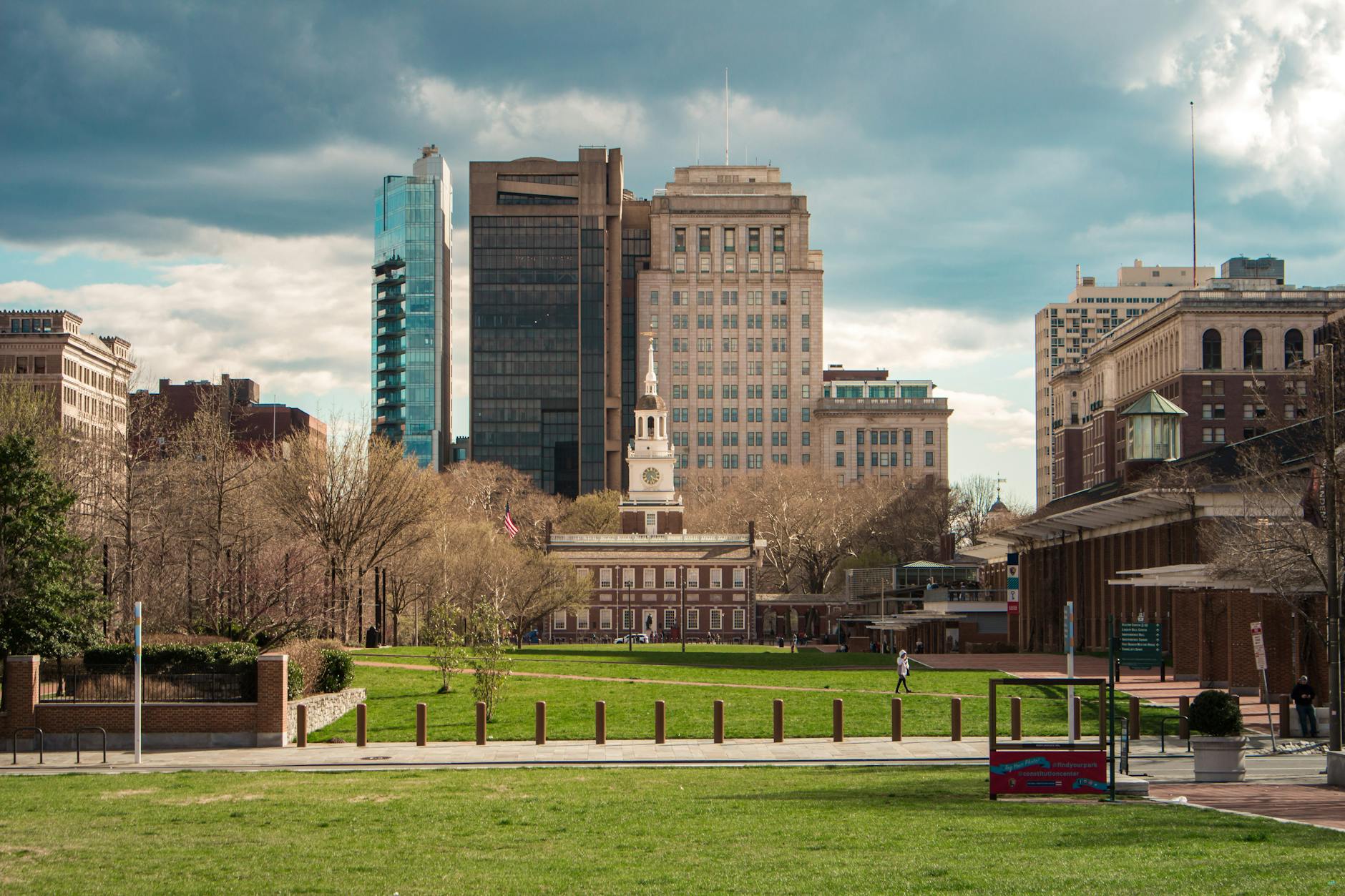
Washington D.C. wasn't destiny. It was a deal — a specific, grubby, late-night political compromise hammered out between men who each wanted something different and settled for something none of them fully wanted. The cities that lost that fight left behind architectural ambitions, civic monuments, and neighborhoods that still carry the ghost of a grander future they almost had. Here's where to go to see what almost was.

Mar 13, 2026

Snake Oil Had an Algorithm: The 19th Century Already Figured Out Influencer Marketing
Digital History

Snake Oil Had an Algorithm: The 19th Century Already Figured Out Influencer Marketing

The reason influencer marketing works on you isn't because the internet invented something new — it's because the people selling patent medicine, railroad land, and miracle tonics in the 1800s already reverse-engineered the same psychological vulnerabilities and built an entire industry on top of them. The brain being sold to hasn't changed. Neither has the pitch.

Mar 13, 2026

Merge Here: The 2,000-Year-Old Idea Behind Every American On-Ramp
Digital History

Merge Here: The 2,000-Year-Old Idea Behind Every American On-Ramp

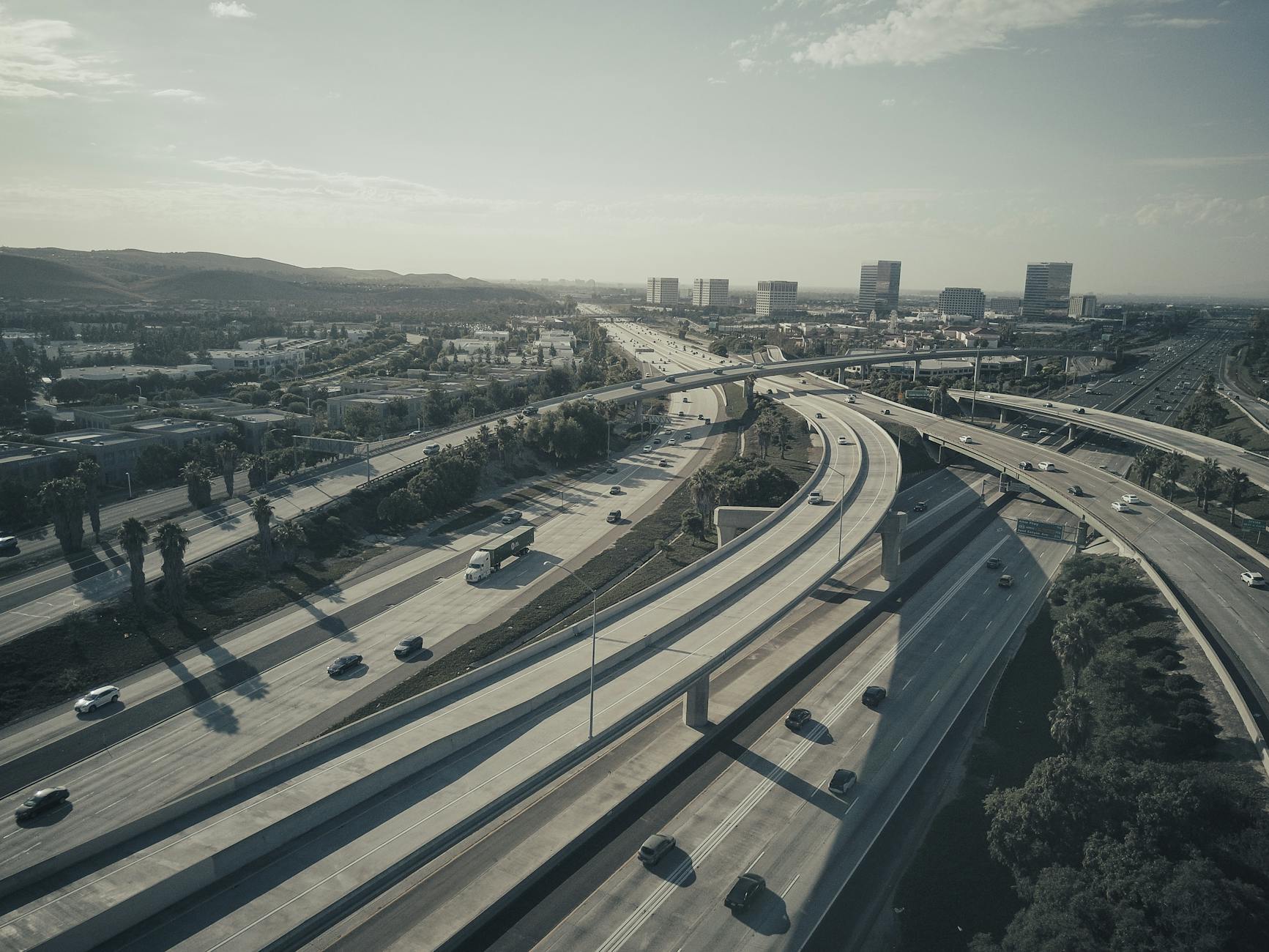
The Romans built 250,000 miles of roads to move legions, project power, and keep an empire from falling apart. Eisenhower built 41,000 miles of interstate highway for almost exactly the same reasons. Next time you're stuck in traffic, you're sitting inside one of history's longest-running arguments about what infrastructure is actually for.

Mar 13, 2026

We Were Certain Too: Six Places Where History's Worst Confident Decisions Are Still Visible
Digital History

We Were Certain Too: Six Places Where History's Worst Confident Decisions Are Still Visible

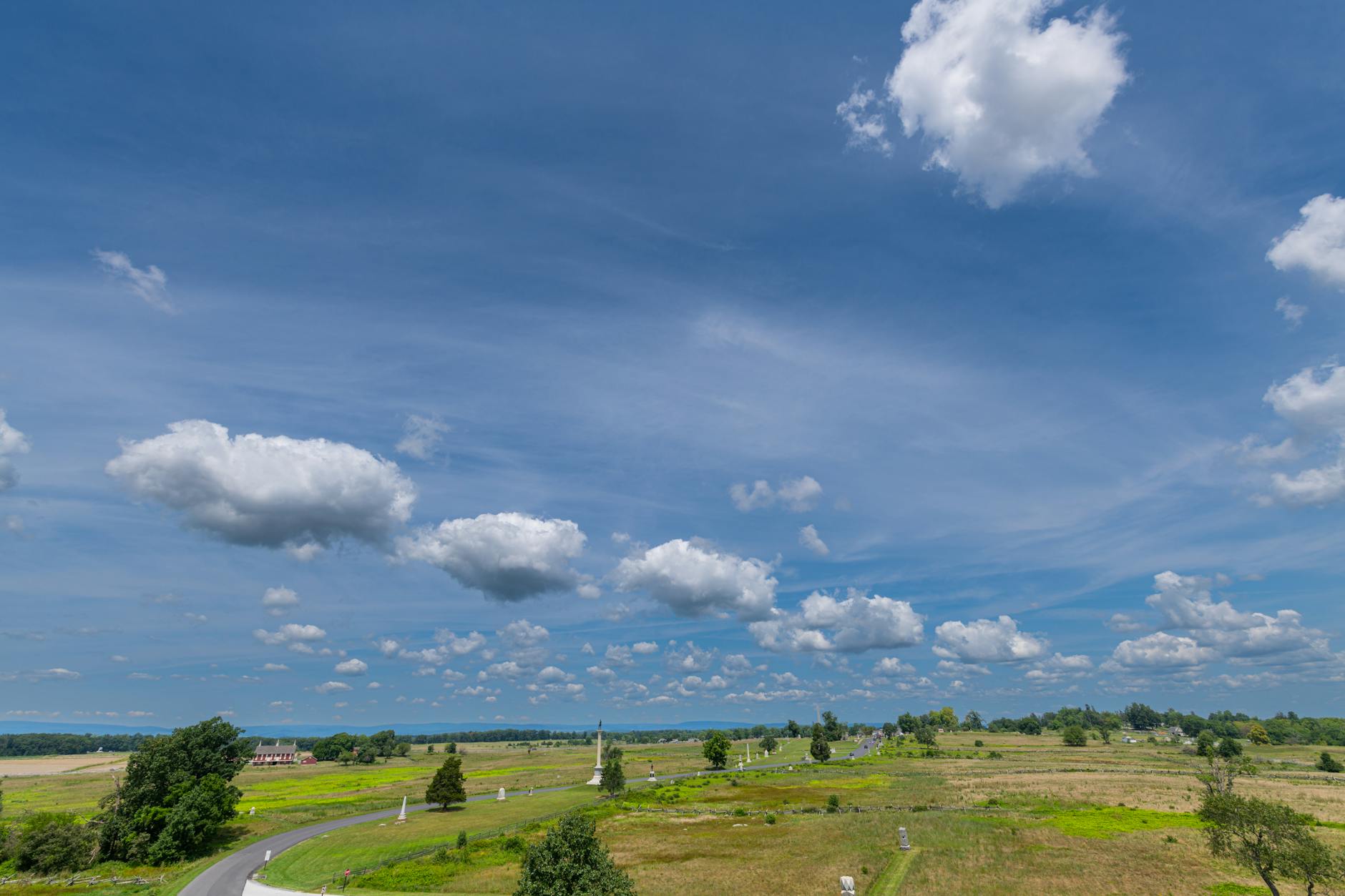
From the generals at Gettysburg who knew exactly what they were doing to the urban planners who demolished entire neighborhoods to build highways nobody ended up wanting, history is littered with spectacularly self-assured catastrophes. Visiting these places isn't about feeling smarter than the people who built them. It's about the uncomfortable realization that we're probably doing the same thing right now.

Mar 13, 2026