The Bronze Version of Truth: America's Selective Memory Cast in Metal
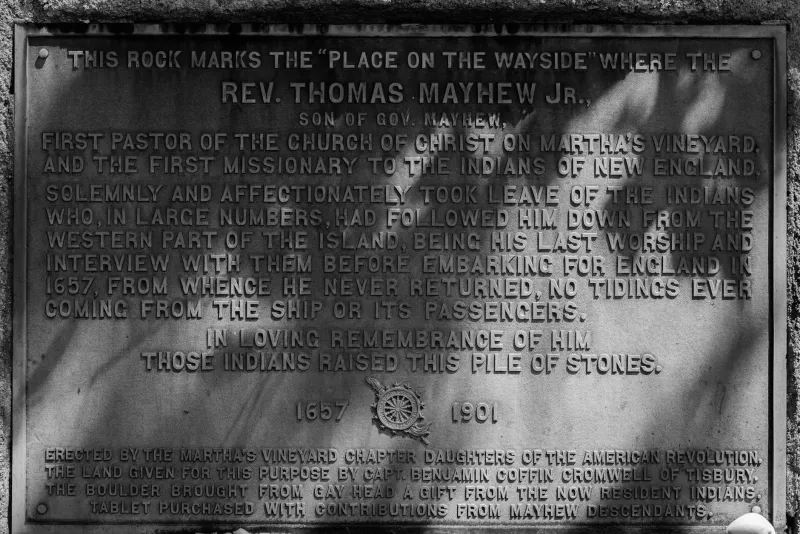
The Marker That Wasn't There
Drive through Colfax, Louisiana, and you'll find a historical marker that took 135 years to get right. Until 2021, the roadside plaque commemorated the "Colfax Riot" of 1873 as a clash between races. The new version calls it what historians always knew it was: a massacre where white supremacists murdered at least 62 Black citizens defending their voting rights.
The old marker wasn't wrong by accident. It was wrong on purpose, installed in 1951 during the height of Jim Crow as part of a deliberate campaign to rewrite Reconstruction history. Someone looked at the evidence, ignored it, and chose a comfortable lie instead.
This is the human psychology behind every historical marker in America: the same cognitive biases that make modern people rationalize their mistakes made previous generations rationalize theirs. The only difference is that bronze plaques last longer than Twitter posts.
The Economics of Memory
Historical markers aren't neutral documents. They're expensive pieces of metal that require committees, approvals, and funding. In most states, getting a marker installed involves navigating bureaucracy that would make a Roman senator proud. Someone has to care enough to start the process, and someone else has to care enough to stop it.
In Virginia, the state historical marker program has installed over 2,600 markers since 1927. But the gaps tell the real story. Until recently, you could drive the entire length of US Route 1 through the state and learn about Civil War battles, colonial settlements, and founding fathers without encountering a single mention of slavery's central role in Virginia's economy.
The absence wasn't oversight. It was editorial choice, made by committees of people who understood exactly what they were leaving out. They faced the same psychological pressure every human faces when confronted with uncomfortable truths about their community: the urge to focus on the parts of the story that make them look good.
The Archaeology of Embarrassment
Some of the most interesting historical markers are the ones that used to exist. In 2017, Memphis removed a marker honoring Nathan Bedford Forrest, the Confederate general who became the first Grand Wizard of the Ku Klux Klan. The marker had stood for decades, not because Forrest's story was historically significant to Memphis, but because someone in 1973 thought he deserved commemoration.
The removed marker joined a growing collection of historical amnesia across the South. Towns that once proudly marked Confederate sites now face the same question every generation faces: which parts of our past do we want to advertise to strangers driving through?
But this isn't just a Southern phenomenon. New England towns have quietly removed markers that celebrated Indian fighters. Western states have reconsidered plaques that portrayed the displacement of Native Americans as inevitable progress. California has started acknowledging that many of its mission churches were sites of forced labor.
The Committee Problem
The process of creating historical markers reveals the same group dynamics that psychologists study in modern organizations. Committees tend toward consensus, which means controversial topics get smoothed into bland generalities or avoided entirely.
Consider the marker selection process in any state, and you'll find the same patterns researchers observe in corporate boardrooms: groupthink, risk aversion, and the tendency to defer to the loudest voices. The people who show up to historical society meetings aren't a random sample of the community—they're the people who have time for historical society meetings.
This selection bias explains why so many markers commemorate the same types of events: battles (exciting), founding dates (uncontroversial), and notable visitors (flattering to the community). The harder stories—economic exploitation, environmental destruction, systematic discrimination—require more courage than most committees can muster.
Reading Between the Lines
Once you understand the psychology behind historical markers, traveling becomes a different experience. Every plaque becomes a window into the moment it was created, not just the moment it describes.
Markers installed in the 1930s reflect Depression-era concerns about American identity and progress. Cold War-era plaques emphasize themes of freedom and democracy. Recent installations grapple with inclusion and previously ignored perspectives.
The most revealing markers are the ones that try too hard to be balanced. When a plaque describes a "complex" situation or acknowledges that "perspectives differ," you're usually looking at a committee that couldn't agree on the truth and settled for diplomatic language instead.
The Future's Judgment
Fifty years from now, someone will drive past the historical markers we're installing today and wonder what we were thinking. They'll have access to information we ignored, perspectives we dismissed, and evidence we chose not to see.
This isn't because future generations will be smarter or more moral than us. It's because they'll have the luxury of distance from our psychological blind spots while developing their own.
The lesson isn't that historical markers are unreliable—it's that they're perfectly reliable indicators of what the people who installed them wanted to believe about themselves. And that, ultimately, might be the most historically valuable information they contain.
The Honest Marker
The most honest historical marker in America might be the one in New London, Connecticut, that simply reads: "Site of the Massacre of the Pequot Indians, 1637." No context, no justification, no attempt to explain away what happened.
Someone looked at a difficult piece of history, decided it mattered more than their comfort, and put up a marker anyway. That's the same choice every generation faces, and the same choice most of them fail.
The next time you pass a roadside historical marker, don't just read what it says. Think about what it doesn't say, who decided what to include, and why they made that choice. The psychology behind the plaque is often more illuminating than the history it claims to preserve.