Passing Through History
The past is the largest study ever conducted.

Passing Through History

The past is the largest study ever conducted.

Latest Articles

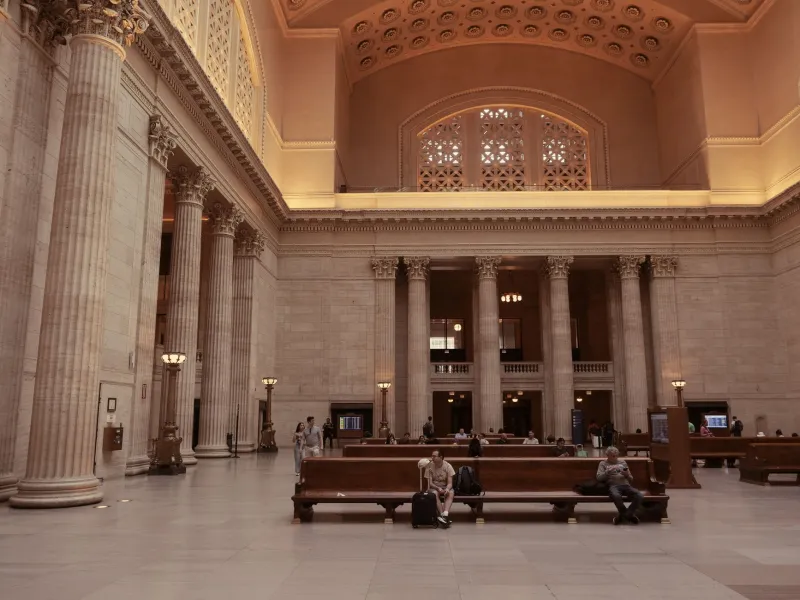
Nowhere to Be, Nowhere to Go: The Transit Hall as America's Original Town Square
Architecture

Nowhere to Be, Nowhere to Go: The Transit Hall as America's Original Town Square

Train stations and bus terminals were designed to move people through as efficiently as possible. What actually happened inside them was something else entirely — argument, rumor, romance, organizing, grief, and the kind of accidental democracy that happens when a society can't agree on who belongs where. The waiting room was never really about waiting.

Oct 20, 2026
Left at the Door: What Abandoned Objects Know About American Departure
Travel

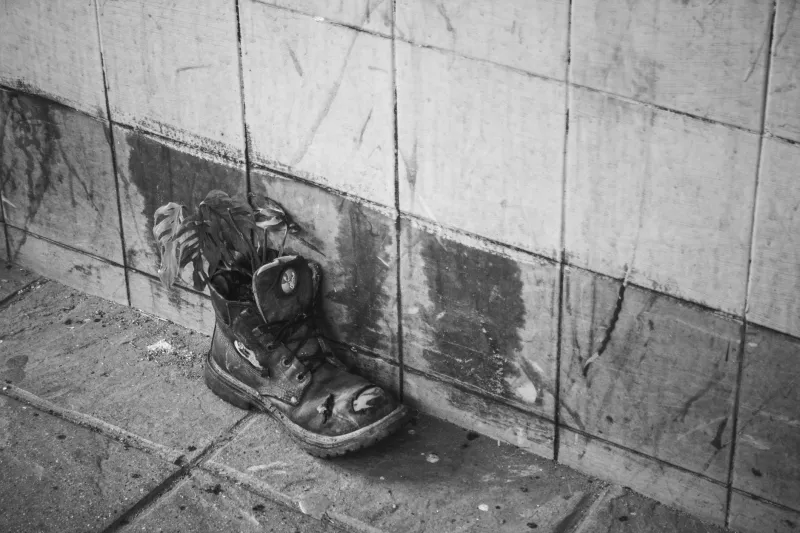
Left at the Door: What Abandoned Objects Know About American Departure

When people leave in a hurry — or leave for good — the things they drop tell a story no diary ever could. Worn-out shoes, half-packed bags, and letters nobody sent are the unedited record of exactly what a person weighed against everything else and lost. Historians are still reading the results.

Oct 20, 2026

The Tab That Ran Forever: How Informal Debt Wired American Neighborhoods Together — and Tore Them Apart
Digital History

The Tab That Ran Forever: How Informal Debt Wired American Neighborhoods Together — and Tore Them Apart

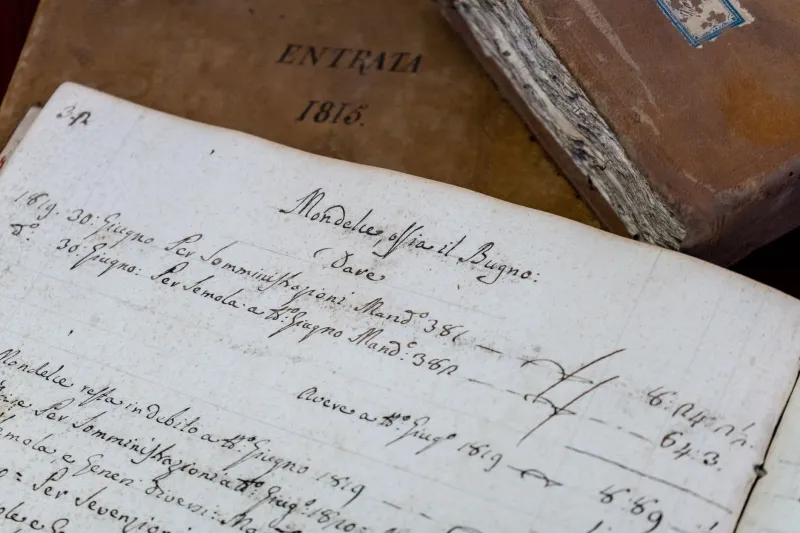
Before credit scores and bank branches, American communities ran on handshake loans, store-kept ledgers, and the quiet social terror of owing your neighbor money. These informal credit systems built some of the most resilient economic networks in US history — and when they collapsed, they took whole communities down with them. The ledger is still worth reading.

Oct 20, 2026

The Building That Disappeared Without Going Anywhere
Architecture

The Building That Disappeared Without Going Anywhere

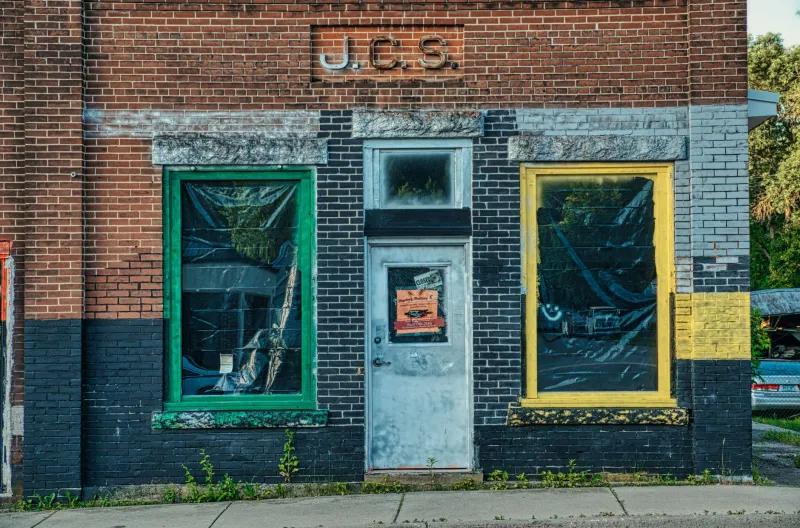
Demolition is the obvious way to erase a building from history, but it's not the most common one. The more routine method involves no wrecking ball at all — just a new coat of paint, a replaced storefront, a changed name above the door, and the slow collaborative agreement of a community to simply stop seeing what's still right there. Some of America's oldest structures are hiding in plain sight, invisible not because they're gone but because everyone quietly decided to forget them.

Oct 15, 2026

The Unremarkable Room Where the Deal Got Done
Travel

The Unremarkable Room Where the Deal Got Done

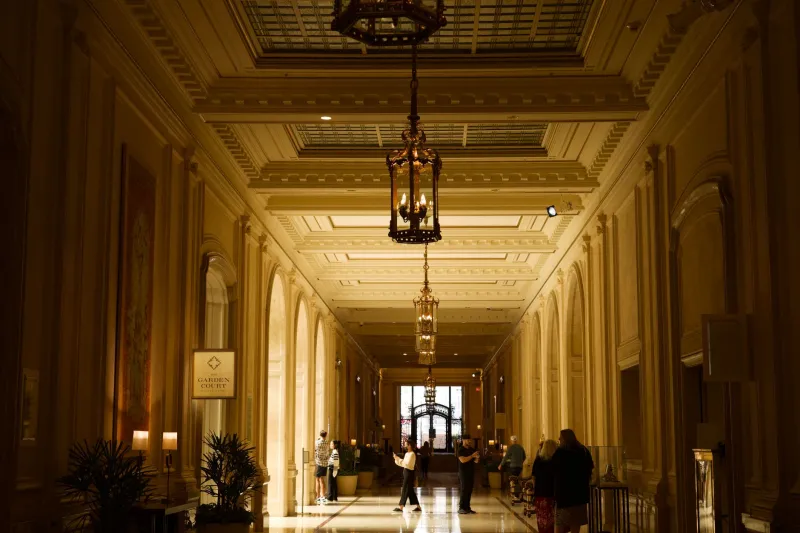
The grand hotels get the plaques. The presidential suites get the walking tours. But the actual machinery of American power — the labor contracts, the political horse-trades, the corporate mergers — almost always happened somewhere considerably less photogenic. If you want to understand how decisions actually get made, stop looking at the famous rooms and start paying attention to the forgettable ones.

Oct 15, 2026

Every Number on That Sign Is Telling You Who's in Charge
Travel

Every Number on That Sign Is Telling You Who's in Charge

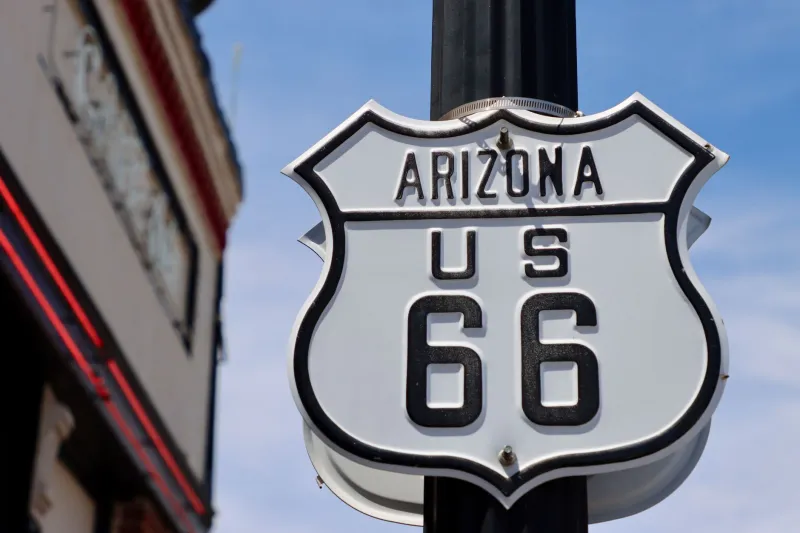
Mile markers look like navigation aids. They're not — or at least, they're not only that. From the first colonial turnpikes to the numbered exits of the Interstate Highway System, the compulsion to carve American geography into exact, accountable segments has always been as much about authority as it has about distance. The number on the post tells you how far you've come. It also tells you whose rules apply right here, right now.

Oct 15, 2026

Grip, Grin, and Go: The Stubborn American Faith in the Stranger Across the Table
Travel

Grip, Grin, and Go: The Stubborn American Faith in the Stranger Across the Table

Americans have been closing deals with people they just met for as long as there have been deals to close. From frontier land transactions sealed with a grip and a look to the five-star stranger sleeping in your spare bedroom tonight, the impulse to extend trust before it's been earned is one of the most consistent threads in American commercial life.

Sep 01, 2026

What Got Thrown in the Fire: Reading American History Through What Didn't Survive
Architecture

What Got Thrown in the Fire: Reading American History Through What Didn't Survive

The things a community destroys during moments of fear, shame, or reinvention are a more honest record of its values than anything it chose to preserve. From Prohibition-era record purges to the photographs left behind in demolished urban neighborhoods, what Americans burned, buried, and bulldozed tells a story that the official archives were never going to tell.

Sep 01, 2026

Printed Lies, Trusted Routes: The Long American Tradition of Maps That Served Someone Else
Digital History

Printed Lies, Trusted Routes: The Long American Tradition of Maps That Served Someone Else

Every map you've ever unfolded or tapped was made by someone with an agenda. From Revolutionary War decoys to Depression-era road atlases engineered to funnel tourists through dying towns, American cartography has always been less about where things are and more about who needs you to believe they're there.

Sep 01, 2026

Nobody Called It Majestic Until Someone Needed to Sell a Train Ticket
Travel

Nobody Called It Majestic Until Someone Needed to Sell a Train Ticket

Before the brochures arrived, Yellowstone was a swamp full of sulfur and the Grand Canyon was just a very inconvenient hole. The story of how America's most iconic landscapes went from obstacles to pilgrimages is really a story about who needed you to show up and spend money.

Aug 31, 2026

The Eternal Crime Wave: Why Every Generation Thinks It Invented Moral Collapse
Architecture

The Eternal Crime Wave: Why Every Generation Thinks It Invented Moral Collapse

Pull the arrest logs from any American county courthouse across three centuries and you'll find the same entry, over and over: someone was prosecuted for something new, something the previous generation hadn't thought to fear yet. The specific crimes change. The panic surrounding them is identical. Local records are the most honest account we have of what humans actually do when they're frightened of the future.

Aug 31, 2026

Everything They Packed Said Everything They Couldn't
Digital History

Everything They Packed Said Everything They Couldn't

Unclaimed luggage from train stations, hotels, and border depots across America contains a quiet archive of ambition — formal suits for jobs that evaporated, letters addressed to people who moved on, objects chosen to communicate a version of a person that never quite arrived. The gap between what Americans packed and where they ended up is one of the most honest documents in the historical record.

Aug 31, 2026

A Man's Word at the Grain Elevator: The Pocket of America Where Contracts Never Arrived
Travel

A Man's Word at the Grain Elevator: The Pocket of America Where Contracts Never Arrived

In livestock auction barns and grain elevator towns across rural America, multi-million dollar transactions still close on a nod. It's not nostalgia — it's a functional legal system that predates courts by several thousand years. The places where you can still watch it work are some of the most honest windows into human psychology you'll find anywhere in this country.

Jul 07, 2026

The Beak Was the Point: How Epidemic Fear Gets Designed on Purpose
Architecture

The Beak Was the Point: How Epidemic Fear Gets Designed on Purpose

The plague doctor's beaked mask wasn't folk superstition — it was engineered protective equipment that also, not coincidentally, looked terrifying. Every era since has designed its own visual language of contagion response, and the symbols carved into old buildings across America tell the same story: public health has always been as much about communicating authority as stopping disease.

Jul 07, 2026

Borrowed Glory: The Long American Tradition of Wearing a Better Town's Name
Travel

Borrowed Glory: The Long American Tradition of Wearing a Better Town's Name

Across America, unincorporated communities and suburban developments have quietly stolen the names of more prestigious neighbors, turning geography into a form of aspiration. It's not a new trick — land speculators were doing it before the ink dried on the Constitution. What it reveals about human psychology is worth the drive.

Jul 07, 2026

Bronze Doesn't Lie — But the People Who Cast It Do
Architecture

Bronze Doesn't Lie — But the People Who Cast It Do

That statue in the middle of your downtown wasn't put there to honor anyone. It was put there to tell you who's in charge. The fights happening right now over which monuments stay and which come down are the same fight that's been happening since the first city decided a public square needed a permanent occupant.

Jul 02, 2026

The Long Way Around Was Always the Destination
Travel

The Long Way Around Was Always the Destination

Scenic byways don't exist because drivers accidentally discovered them. They exist because someone sat down and decided that selling slowness was more lucrative than selling speed — and they were right. The psychology behind choosing the harder, longer, more storied route is ancient, and the industry built around it is considerably more calculated than the word 'scenic' suggests.

Jul 02, 2026

Draw a Line, Build a Black Market: The Eternal Economics of the Border Town
Digital History

Draw a Line, Build a Black Market: The Eternal Economics of the Border Town

Every time a government draws an official boundary, it accidentally creates a business opportunity on both sides of it. The gray economy that assembles around any hard border isn't a failure of law enforcement — it's a predictable human response to artificial price differences, and it has been repeating itself in American history since before there was a United States.

Jul 02, 2026

Sign Here, Stranger: The Five-Thousand-Year Paper Trail Behind Every Hotel Check-In
Travel

Sign Here, Stranger: The Five-Thousand-Year Paper Trail Behind Every Hotel Check-In

Every time you hand your ID to a front desk clerk, you're participating in a ritual that predates the Roman Empire. The paperwork has changed, but the power dynamic never has — and understanding that changes how you travel.

Jun 26, 2026

One Foot in a Different Century: The Accidental Lines That Still Decide American Life
Architecture

One Foot in a Different Century: The Accidental Lines That Still Decide American Life

Some of America's most consequential borders were drawn by surveyors who were cold, tired, and working with bad equipment. Those judgment calls from two hundred years ago still determine school funding, tax rates, and political representation today. The most powerful forces in your life are often the ones nobody planned.

Jun 26, 2026