Welcome to Quarantine: The American Hotels That Were Never Meant for Comfort
The Lobby That Locked You In
The Marine Hospital on Staten Island looked exactly like what it was supposed to be: a welcoming refuge for weary travelers. Grand columns framed the entrance, elegant windows promised comfortable rooms, and the landscaped grounds suggested a resort rather than a detention facility. Only the discrete but sturdy locks on every door hinted at the building's true purpose.
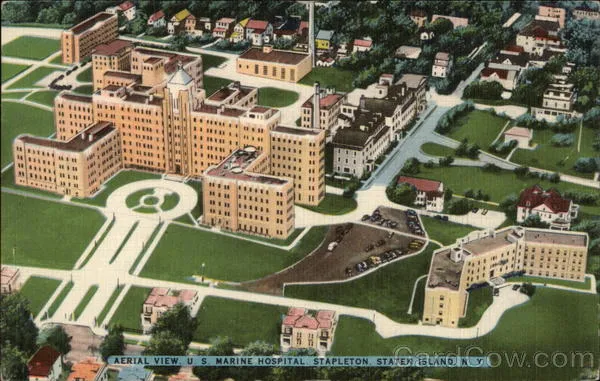 Photo: Marine Hospital on Staten Island, via www.cardcow.com
This was hospitality as containment, comfort as control. And the psychological principles behind its design are as old as human civilization.
For most of the 19th and early 20th centuries, American port cities maintained these architectural lies — buildings that promised one experience while delivering another. They understood something about human psychology that modern designers have forgotten: people accept confinement more readily when it's dressed up as luxury.
The Guest Who Never Checked Out
Consider the experience of arriving at one of these facilities. You've just completed a weeks-long ocean voyage, you're exhausted, possibly sick, definitely eager to reach your final destination. Instead, you're directed to what appears to be a fine hotel, complete with uniformed staff and formal check-in procedures.
The room is comfortable, the meals regular, the medical attention attentive. Only gradually do you realize that you can't leave. The windows don't open fully. The doors lock from the outside. The beautiful grounds are surrounded by walls that look decorative but function as barriers.
This psychological manipulation wasn't accidental. Public health officials had studied human behavior during previous epidemics and learned that cooperation increased when detention felt like hospitality. People who might resist obvious imprisonment would accept indefinite stays in facilities that resembled upscale accommodations.
The same impulses that make modern travelers tolerate airport security delays or hotel quarantine protocols were already well understood by 19th-century administrators. Humans will accept almost any restriction if it's presented as being for their own comfort and safety.
The Architecture of Acceptable Control
Walk through the remaining structures of America's quarantine hotel system, and you'll see how architects solved the fundamental challenge of designing spaces that needed to function as both refuge and prison. The buildings feature wide hallways that feel spacious but allow easy monitoring, common areas that encourage social interaction while preventing group organization, and room layouts that maximize natural light while minimizing escape routes.
Every detail served dual purposes. The elegant dining rooms where guests took supervised meals also functioned as spaces where staff could observe symptoms and behavior. The comfortable libraries provided entertainment while keeping potentially infectious people occupied in controlled environments. The landscaped courtyards offered fresh air and exercise within clearly defined boundaries.
This wasn't cynical manipulation — it was applied psychology. The designers understood that humans need dignity, comfort, and social interaction even when they pose public health risks. The challenge was providing those things within systems of necessary control.
The Business of Beneficial Imprisonment
The economics of these institutions reveal something fascinating about American attitudes toward health, hospitality, and individual freedom. Cities invested enormous sums in facilities that most visitors would use only once, if ever. The buildings had to be impressive enough to reassure healthy travelers that the system was competent and humane, while functional enough to contain potentially dangerous diseases.
The staff training alone represented a significant investment. Workers needed medical knowledge to identify symptoms, hospitality skills to maintain the fiction of voluntary accommodation, and security awareness to prevent escapes that could spread disease throughout the general population.
These facilities operated on the principle that public health measures gain acceptance when they're indistinguishable from premium services. People who might resist medical detention would accept extended stays in what appeared to be government-sponsored resorts.
The Psychology of Voluntary Captivity
The most successful quarantine hotels were the ones where guests almost forgot they couldn't leave. Daily routines mimicked those of luxury accommodations: scheduled meals in elegant dining rooms, organized activities in comfortable common areas, medical consultations that felt like concierge services.
The psychological techniques were sophisticated. Staff were trained to present restrictions as amenities: "You're welcome to rest in your room while we monitor your health," rather than "You're confined to quarters pending medical clearance." The language of hospitality disguised the reality of detention.
This approach worked because it aligned with existing human psychology rather than fighting it. People are social creatures who need structure, purpose, and dignity. The quarantine hotels provided all three within systems designed to protect public health.
What Remains of the Welcome
Many of these buildings still stand, though their original functions have been forgotten or transformed. Angel Island in San Francisco Bay, Ellis Island in New York Harbor, and dozens of smaller facilities in port cities along both coasts — all preserve the architectural evidence of America's earlier approach to managing health risks from travelers.
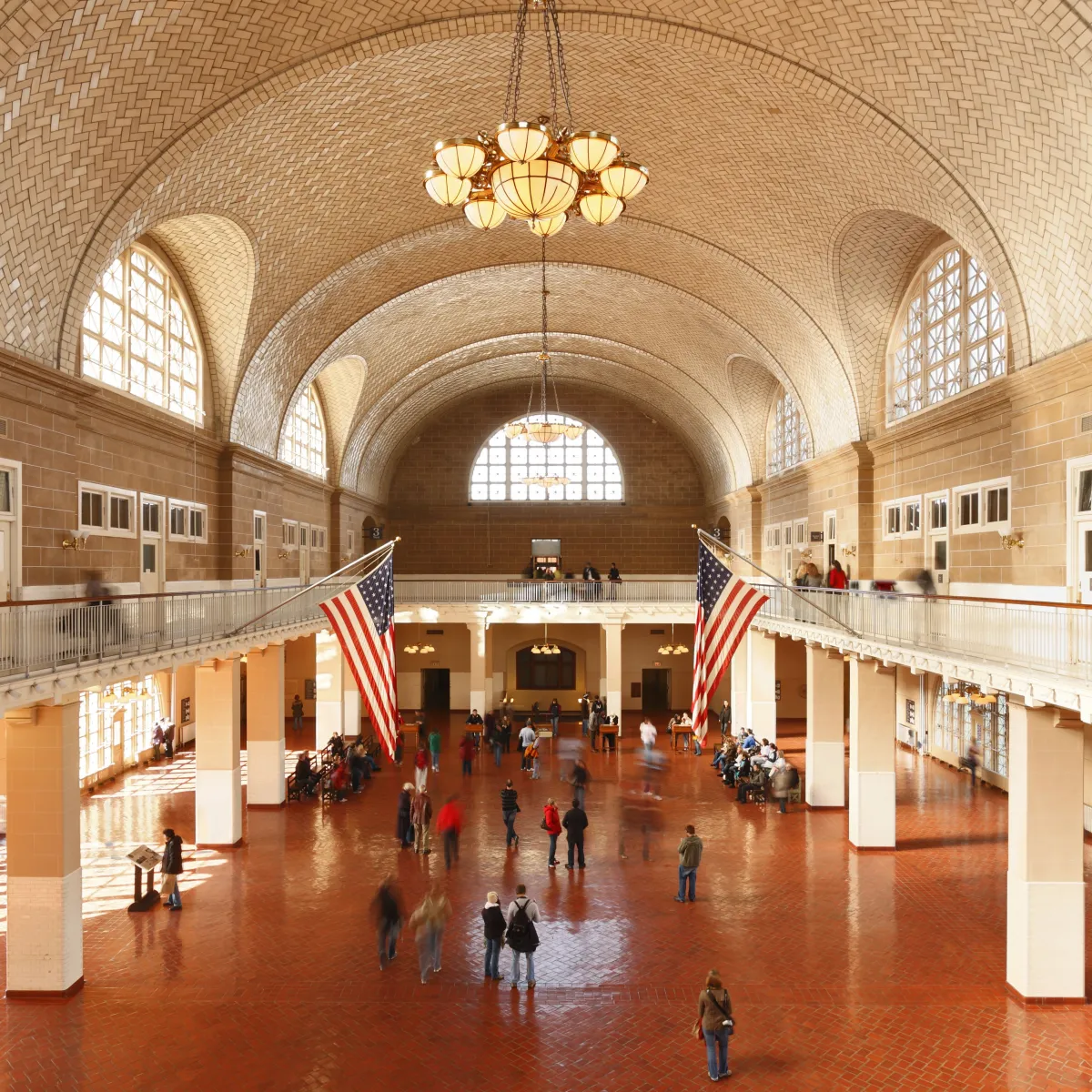 Photo: Ellis Island, via www.tripsavvy.com
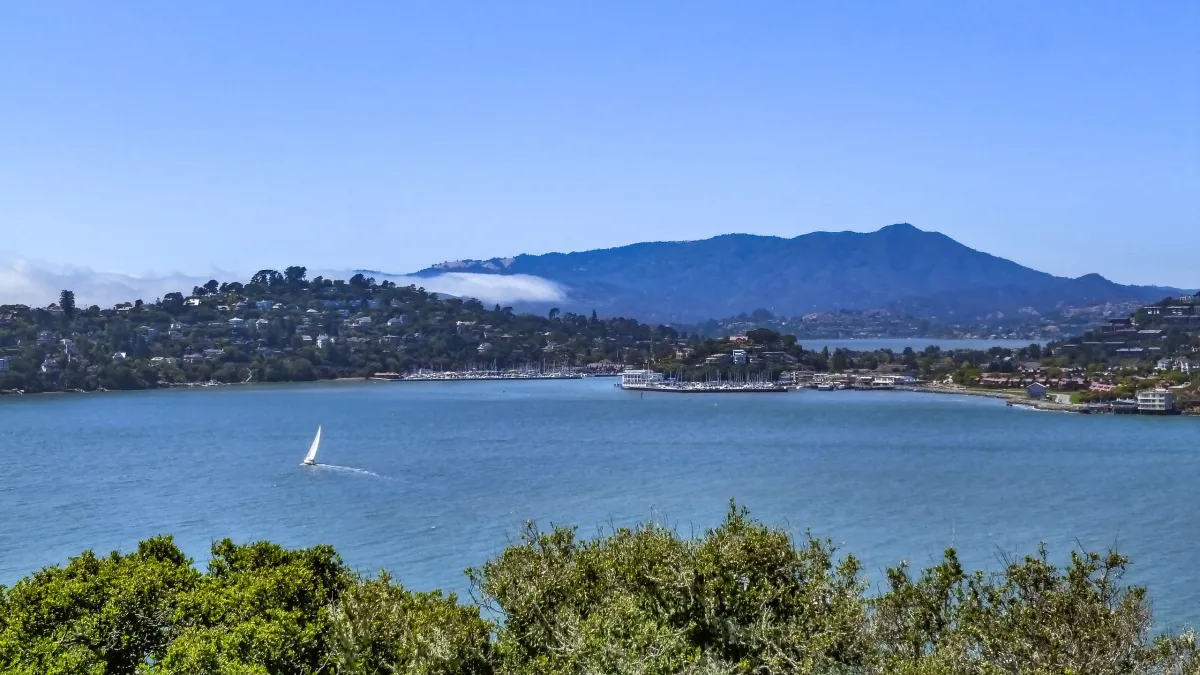 Photo: Angel Island, via media.cntraveler.com
Walking through these spaces today, you can still read the design logic that made them function. The balance between openness and control, comfort and containment, hospitality and health protection. Every room tells the story of administrators who understood that effective public health policy requires managing human psychology as carefully as medical protocols.
The Lesson in the Lobby
The quarantine hotel system reveals something essential about human nature that transcends specific historical moments: we're remarkably willing to accept restrictions on our freedom when those restrictions are presented as benefits rather than burdens.
This isn't a weakness or a flaw — it's a survival mechanism that allows societies to implement necessary protections while preserving individual dignity. The people who designed these facilities understood that cooperation is always preferable to coercion, and that the difference often lies not in the policy itself but in how it's presented and experienced.
The next time you find yourself in an airport security line or a hotel isolation room, remember the quarantine hotels of America's past. The psychology behind your compliance hasn't changed in over a century. Only the architecture has been simplified.