Your Word Was Your Bond: The Vanished America Where Promises Actually Meant Something
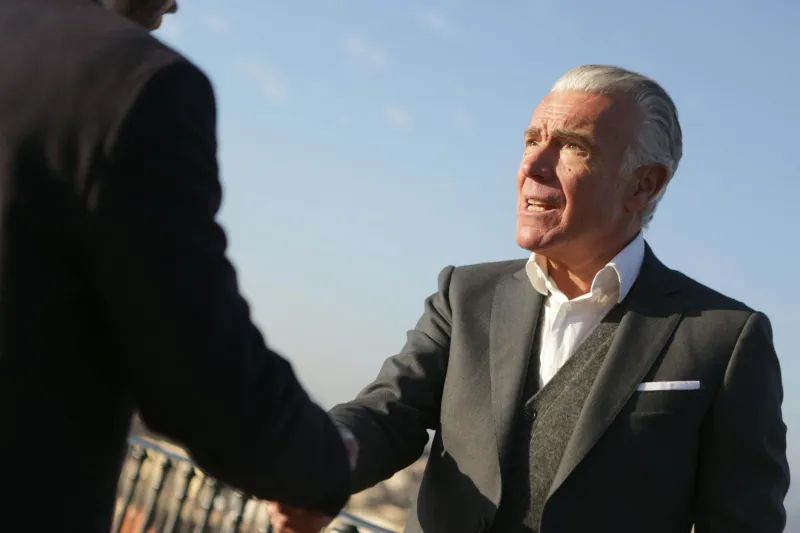
The Last Handshake Economy
Walk through the courthouse square in any small American town built before 1920, and you're standing where millions of dollars changed hands without a single signature. The weathered steps of the Boone County Courthouse in Missouri, the worn brick sidewalks outside the old Farmers Exchange in Iowa, the cast-iron benches that still ring the town green in Woodstock, Vermont — these places were America's original Wall Street, where cattle deals worth today's equivalent of six figures happened with nothing more than a firm grip and a witness.
The human psychology that made this system work hasn't disappeared. It's just been buried under layers of legal protection that we convinced ourselves we needed.
When Reputation Was Currency
Before the federal court system gained real teeth and before state banking regulations meant anything outside major cities, American commerce operated on what economists now call "reputation capital." A merchant's word carried literal monetary value, and that value could be destroyed in an afternoon if he welched on a deal.
The system worked because everyone involved understood a basic truth about human nature that we've somehow forgotten: people will keep promises when breaking them costs more than keeping them. In small-town America, the cost wasn't legal fees or court judgments — it was social death.
Consider the livestock markets that still operate in places like the Stockyards City in Oklahoma City or the weekly cattle auctions in small Texas towns. Even today, with lawyers and insurance and federal oversight, million-dollar transactions happen on verbal agreements. The infrastructure is still there because the psychology is still there.
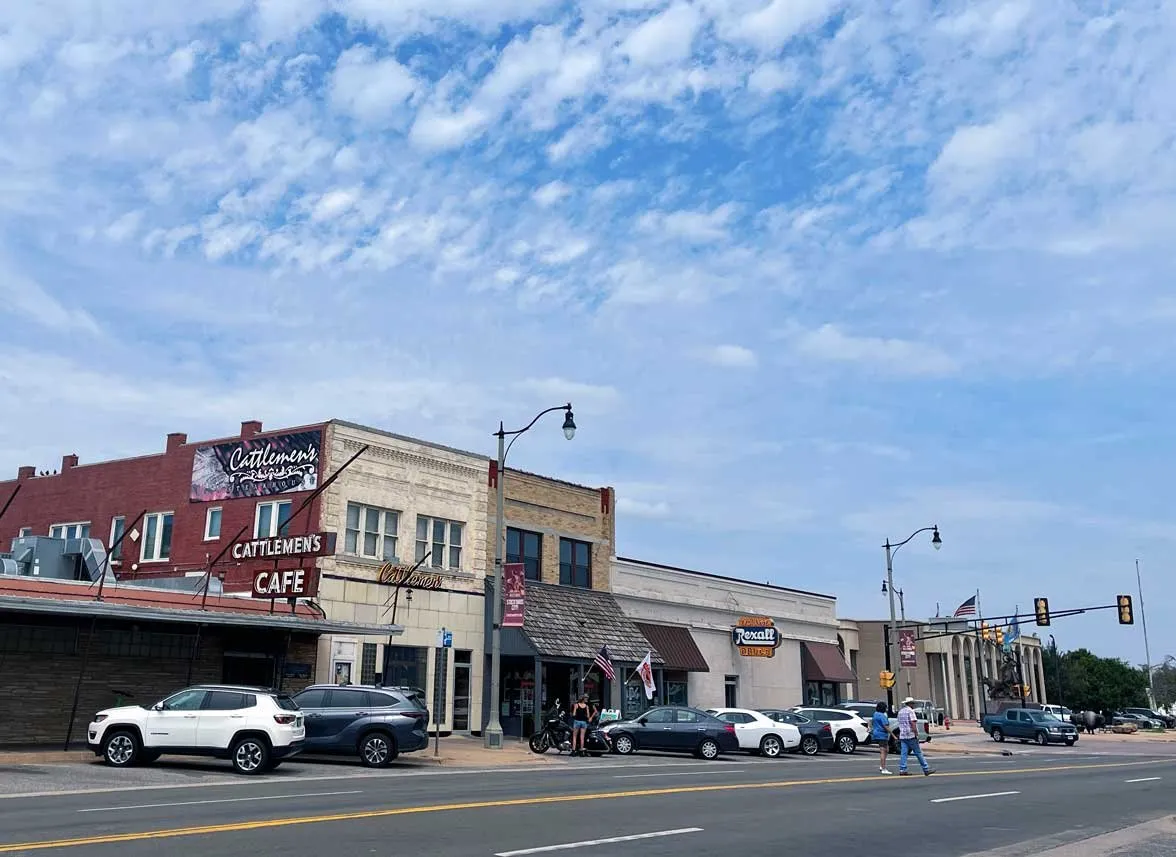 Photo: Stockyards City, via images.squarespace-cdn.com
The Architecture of Trust
You can still see how the handshake economy shaped American geography. Walk down Main Street in any preserved 19th-century town center and notice how the buildings are arranged. The bank, the general store, the barbershop, the hotel — they're all within sight of each other, often sharing walls or facing the same intersection.
This wasn't coincidence. It was social engineering.
In Galena, Illinois, you can stand at the corner of Main and Commerce Streets and see four buildings where Grant's contemporaries conducted business worth hundreds of thousands of dollars with nothing but witnessed conversations. The proximity wasn't about convenience — it was about surveillance. When your business partners could literally watch your other dealings from their front windows, keeping your word became a survival strategy.
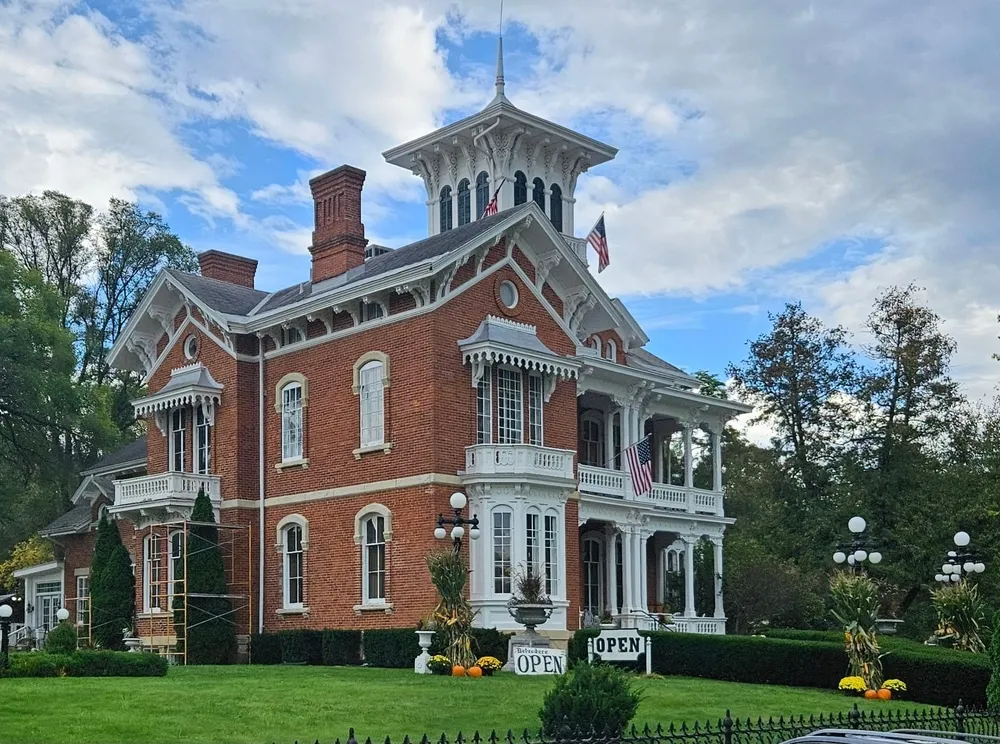 Photo: Galena, Illinois, via jailhillgalena.com
The old mercantile districts in river towns like Hannibal, Missouri, or Natchez, Mississippi, still preserve this geography of mutual observation. These weren't just shopping centers. They were reputation enforcement mechanisms built in brick and stone.
What Default Actually Cost
The remarkable thing about the handshake economy wasn't that people kept their promises — it was how efficiently the system punished those who didn't. Modern credit scores and legal remedies are clumsy instruments compared to the social machinery that small-town America used to destroy someone who broke their word.
A merchant who reneged on a cattle deal didn't just lose that transaction. He lost access to credit at the general store, his family got passed over for social invitations, his children found fewer marriage prospects, and his business slowly strangled as word spread through the network of courthouse square conversations and barbershop gossip.
The old business districts in places like Lebanon, Kentucky, or Marshall, Michigan, still preserve the physical infrastructure that made this social punishment possible. The wide sidewalks where men gathered to discuss deals. The second-story windows where merchants' wives could observe street-level negotiations. The central locations of churches and fraternal halls where social standing was publicly displayed and measured.
Where the Old System Survives
You can still find functioning versions of the handshake economy if you know where to look. The weekly livestock auctions in rural America still operate largely on verbal agreements worth enormous sums. The grain elevators scattered across the Midwest still take delivery of million-dollar harvests based on nothing more than a farmer's word that the corn is what he says it is.
Visit the Farmers Market in Burlington, Vermont, on a Saturday morning, or the weekly cattle auction in Cookeville, Tennessee. Watch how deals get made. Listen to how people talk about others who aren't present. Pay attention to who gets trusted and who doesn't, and how that information travels.
These aren't quaint relics. They're functioning examples of the psychological technology that built American commerce, still operating in the spaces where modern legal infrastructure hasn't completely taken over.
The Psychology We Abandoned
The handshake economy worked because it was built on a simple understanding: humans are fundamentally social creatures who will sacrifice immediate gain to maintain their position in the group. When being known as trustworthy was essential for survival, people found ways to be trustworthy.
We replaced that system with legal contracts because we thought it was more efficient. We probably weren't wrong — the modern economy couldn't function on 19th-century social enforcement. But we lost something in the translation. We lost the knowledge that humans are capable of keeping promises when the social architecture makes it worth their while.
The courthouse squares are still there. The old mercantile buildings still stand. The weekly auctions still happen. What's missing isn't the infrastructure for trust — it's our belief that trust is worth building infrastructure around.