Carved in Stone, Written in Cement: The Workers Who Left Their Real Names on History
The Signatures Nobody Was Supposed to See
Somewhere in the concrete foundation of Hoover Dam, a worker named Mike Kowalski left his handprint next to the words "Hot as Hell, 1934." The inscription sits beneath six feet of additional concrete, invisible to the millions of tourists who visit the dam each year, but perfectly preserved for anyone willing to dig deep enough to find it.
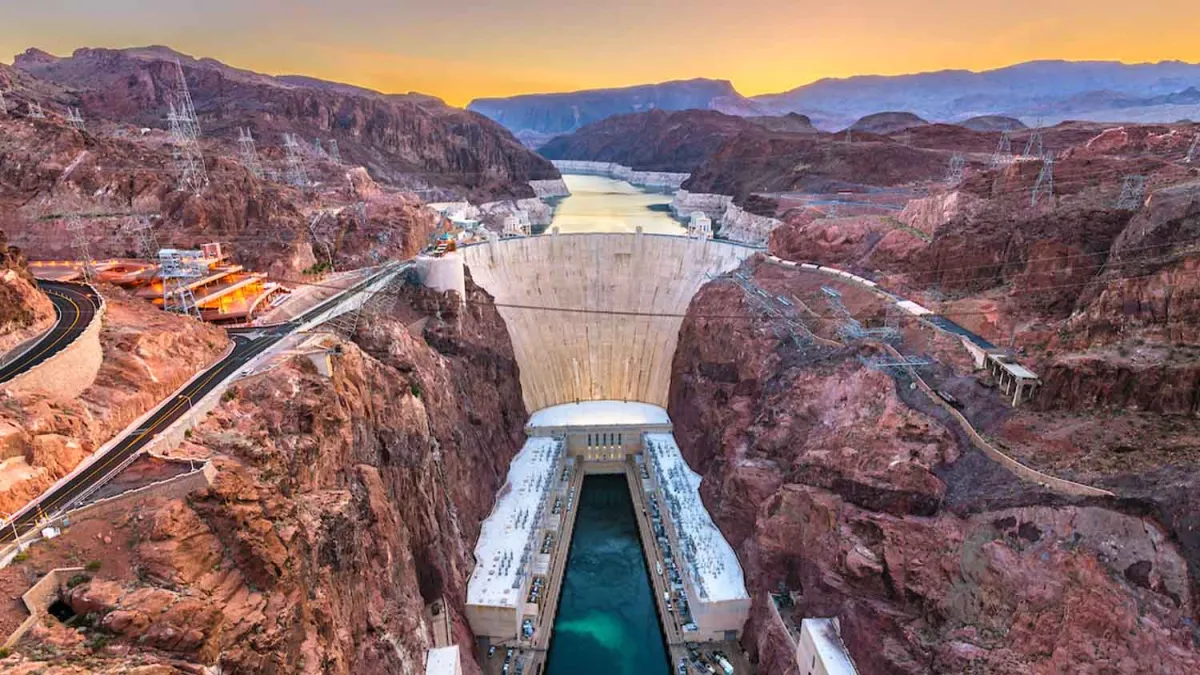 Photo: Hoover Dam, via travelnevada.com
This wasn't vandalism — it was documentation. And the human impulse behind it connects directly to the cave painters of Lascaux, the Roman soldiers who carved their names into Hadrian's Wall, and every teenager who ever carved initials into a school desk.
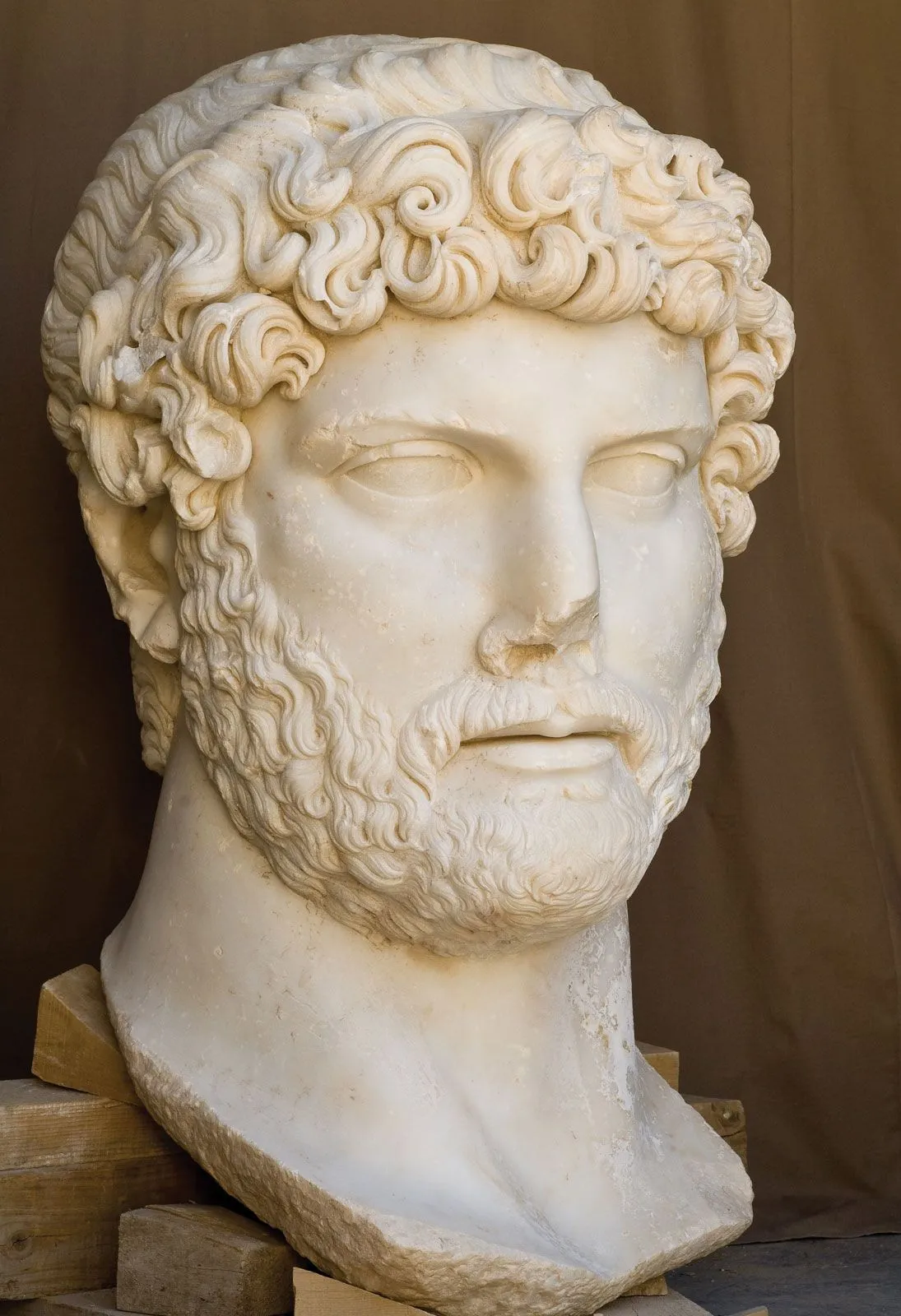 Photo: Hadrian's Wall, via cdn.britannica.com
We need to leave proof we were here.
The Democracy of Wet Concrete
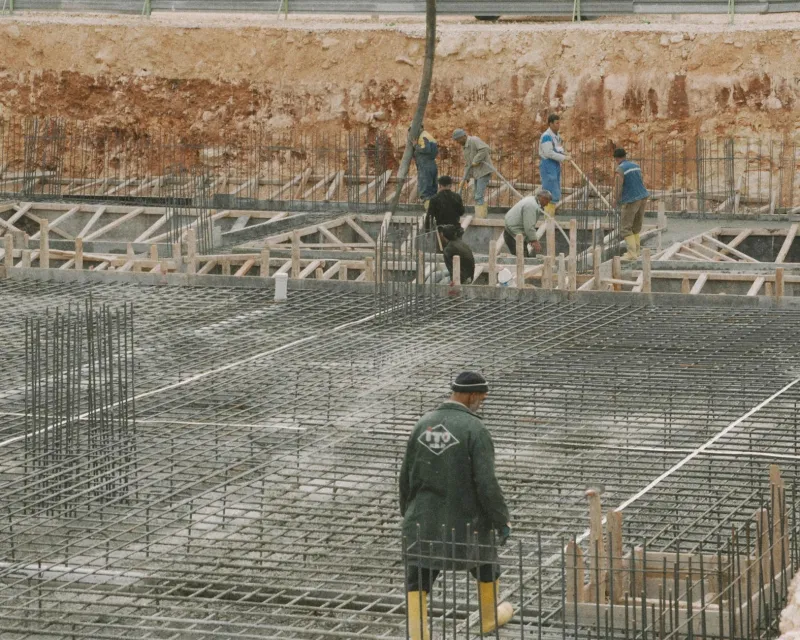
The New Deal construction boom created an unprecedented opportunity for ordinary workers to embed their own historical record into America's permanent infrastructure. Unlike stone carving, which required specialized skills and expensive tools, concrete offered a brief window when anyone could leave a lasting mark with nothing more than a stick or finger.
Walk beneath almost any bridge built between 1933 and 1941, and you'll find evidence of this accidental archive. Names, dates, hometown references, political slogans, union membership numbers, and occasionally more colorful commentary about supervisors, working conditions, or the local food.
The psychology behind this behavior runs deeper than simple graffiti. These workers understood they were building infrastructure that would outlast them by generations. The concrete they were pouring would still be there when their great-grandchildren were old. The impulse to claim a piece of that permanence was irresistible.
What They Actually Wrote
The content of these hidden inscriptions reveals a side of Depression-era America that never made it into official histories. Workers documented everything from personal milestones ("Johnny born today") to political opinions ("Roosevelt saved my job") to social observations ("First Negro on this crew").
Some inscriptions function as time capsules of daily life. "Bread 8 cents, milk 12 cents" appears in the foundation of a Tennessee Valley Authority dam. "Cardinals beat Yankees" marks the concrete of a WPA bridge built during the 1934 World Series. "Mae West sure is something" decorates a federal building cornerstone from that same year.
Others capture the raw experience of dangerous work under difficult conditions. "Lost three fingers here" appears beneath a railroad overpass. "Joe fell yesterday" marks a bridge abutment. These weren't complaints filed with supervisors — they were permanent records left for whoever might find them decades later.
The Technology of Temporary Permanence
Concrete offered workers something that previous generations of builders never had: a material that started soft enough to write in but became harder than stone. The window of opportunity lasted only hours, creating a natural deadline that encouraged spontaneous documentation rather than carefully considered monuments.
This technological accident produced a more honest historical record than any official archive. Workers had no time to craft diplomatic language or consider how their words might be interpreted by future audiences. They wrote what they thought in the moment, knowing their inscriptions would be buried beneath additional construction within days.
The result is a collection of primary source documents that no historian could have commissioned. These inscriptions capture authentic voices from one of America's most mythologized eras, preserved in the infrastructure those voices helped build.
The Archaeology of Infrastructure
Finding these hidden inscriptions requires understanding how concrete construction actually worked during the New Deal era. Workers typically poured foundations in sections, completing each area before moving on to the next. The inscriptions appear in the final few inches of each pour, often on surfaces that would be covered by subsequent construction phases.
Bridge abutments, dam foundations, building basements, and tunnel walls all preserve this accidental archive. The inscriptions cluster in areas where workers would have had brief breaks between pours — spaces where they could step back, look at their work, and feel compelled to sign it.
Many inscriptions include specific dates, allowing researchers to track construction progress through workers' eyes rather than official schedules. "Started here March 15" followed by "Still here June 3" tells a different story than project timelines preserved in government files.
The Honest History Hidden in Plain Sight
These worker inscriptions document aspects of American life that official records often omitted or sanitized. Racial integration on work crews, labor organizing activities, regional dialects and slang, personal relationships, and economic conditions all appear in the raw language of people who never expected their words to be analyzed by historians.
The inscriptions also reveal how workers understood their role in American history. Many reference the significance of their projects: "Building America's future" appears in a Golden Gate Bridge foundation. "This will last forever" marks a Civilian Conservation Corps structure. "FDR's boys at work" decorates a post office basement.
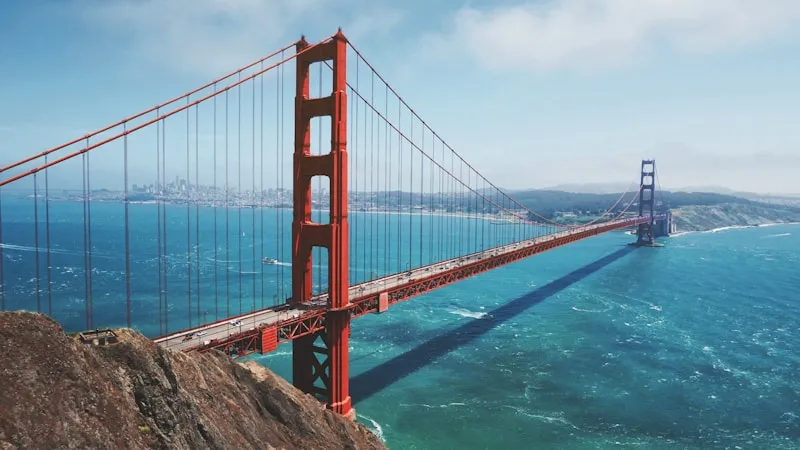 Photo: Golden Gate Bridge, via images.unsplash.com
These weren't just workers doing jobs — they were people who understood they were participating in something historically significant, and they wanted their participation acknowledged and remembered.
The Digital Discovery Project
Modern technology is finally making this hidden archive accessible to researchers and the public. Ground-penetrating radar can locate inscriptions buried beneath additional construction. Digital photography captures fading text in low-light conditions. Database projects are cataloging discoveries across multiple sites to create a comprehensive record of worker-generated historical documentation.
Social media has accelerated the discovery process. Construction workers, urban explorers, and infrastructure maintenance crews regularly post photos of inscriptions they encounter during renovation or repair projects. Each discovery adds to our understanding of how ordinary Americans experienced one of the nation's most ambitious building programs.
The psychology behind sharing these discoveries mirrors the psychology behind creating them: people recognize the historical value of authentic voices from the past, especially voices that were never meant to represent anything other than individual human presence.
The Permanent Record They Never Meant to Create
The workers who left their names in wet concrete weren't trying to create historical documents. They were responding to the same impulse that makes people write their names in sand, carve initials in trees, or sign guest books — the basic human need to assert existence and mark presence.
But their accidental archive has become one of our most valuable resources for understanding how ordinary Americans experienced the New Deal era. These inscriptions provide unfiltered access to authentic voices from a time usually interpreted through official speeches, government reports, and carefully crafted memoirs.
The concrete is still curing, in a sense. Every discovery adds new evidence to our understanding of who actually built America's infrastructure and what they thought about the experience. The workers may not have intended to leave a historical record, but they created something more valuable than any monument: proof that real people with real names did the actual work that transformed a nation.