Kidnapping Season: The Dark Origins of America's Honeymoon Industry
Kidnapping Season: The Dark Origins of America's Honeymoon Industry
Scroll through any wedding hashtag on Instagram and you'll see the same pattern: ceremony photos, reception shots, and then that carefully curated honeymoon content—beaches, champagne, sunset silhouettes with captions about "starting our forever." What you're seeing is the sanitized version of a tradition that started as something much more sinister: a systematic method for preventing new brides from changing their minds about the biggest decision of their lives.
The honeymoon industry wants you to believe it's about romance, but dig into the historical record and you'll find something else entirely—a practice rooted in bride-theft, social control, and the community management of female autonomy. The psychology behind it hasn't changed much; we've just gotten better at the marketing.
When Honeymoons Were Literally Kidnapping
The word "honeymoon" comes from an Old Norse tradition called "brúðhlaup"—literally "bride-running"—where the groom would abduct his chosen bride and hide her away for a full lunar cycle while her family and community searched for them. The "honey" referred to the mead the couple would drink during this month-long disappearance, but the practice served a practical social function: by the time they returned, the bride would be considered "ruined" by medieval standards, making the marriage irreversible regardless of her personal feelings about the arrangement.
This wasn't romantic adventure—it was legal and social engineering. The month-long isolation served multiple purposes: it prevented the bride's family from interfering, it established sexual consummation as a fait accompli, and it gave the community time to adjust to the new social arrangement without the inconvenient variable of the bride's actual preferences.
What's remarkable is how this basic structure—remove the bride from her support system immediately after the wedding—became the template for honeymoon practices across completely different cultures and time periods. The specific justifications changed, but the underlying mechanism stayed the same.
The Victorian Rebranding Campaign
By the 1800s, outright bride-theft had become socially unacceptable in most of Europe and America, but the honeymoon tradition adapted rather than disappeared. Victorian society reframed the post-wedding trip as a "bridal tour"—a civilized journey that would allow the new couple to "become acquainted" away from the pressures of their everyday social circles.
The language changed, but the function didn't. Victorian marriage manuals explicitly advised that honeymoon destinations should be chosen for their isolation from the bride's family and friends. Popular honeymoon spots like Niagara Falls, the Adirondacks, and seaside resorts in Newport weren't selected for their romantic atmosphere—they were chosen because they were far enough from home that a new bride couldn't easily return to her parents if she developed second thoughts about her marriage.
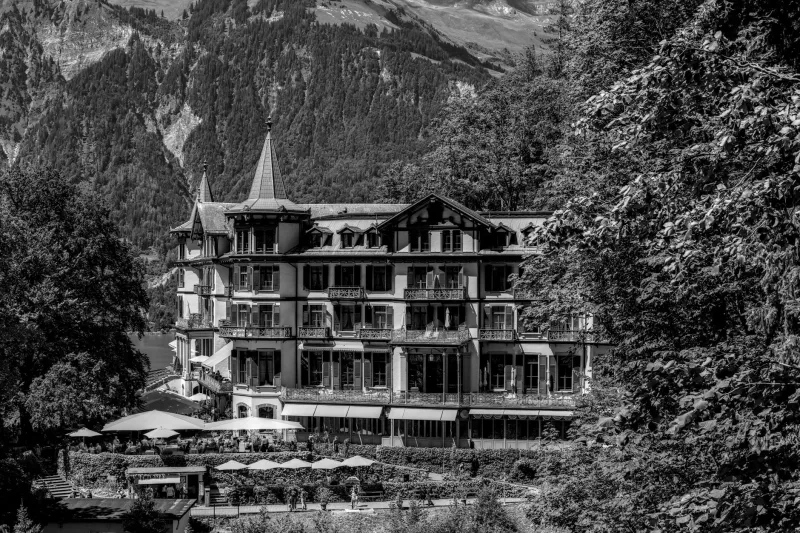
Travel to these historic honeymoon destinations today and you'll find the infrastructure still reflects these priorities. The grand hotels built during the honeymoon boom of the 1870s and 1880s were designed with specific features: remote locations accessible only by expensive transportation, minimal local entertainment that might attract single women, and architectural layouts that discouraged solitary exploration. The famous honeymoon suite at the Hotel del Coronado in San Diego, for example, was originally designed with only one key—given to the husband.
The Psychology of Manufactured Romance
What the historical record reveals is that honeymoons were never really about the couple—they were about managing community anxiety about pair-bonding. Marriage has always been as much a social and economic arrangement as a personal one, and communities developed the honeymoon tradition as a way to ensure that individual romantic feelings didn't disrupt broader social stability.
This explains why honeymoon traditions became more elaborate and socially mandated during periods of social change. The Victorian honeymoon boom coincided with women gaining more legal rights and social autonomy. The post-World War II explosion of honeymoon resorts happened when women were being pushed out of wartime jobs and back into domestic roles. The modern destination wedding and honeymoon industry expanded during the feminist movements of the 1970s and 1980s.
Each time women gained more social options, the honeymoon industry responded by making post-wedding travel more elaborate, more expensive, and more socially expected. The pattern suggests that honeymoons have always functioned as a social pressure valve—a way to channel women's autonomy into a socially acceptable form of temporary adventure before settling into permanent domesticity.
The All-Inclusive Archipelago
Today's honeymoon industry has perfected what medieval bride-thieves could only dream of: completely controlled environments where every variable is managed to reinforce the romantic narrative. Visit any all-inclusive resort in the Caribbean and you'll see the logical endpoint of centuries of honeymoon evolution—isolated locations, limited outside contact, structured activities designed for couples, and economic incentives that make leaving difficult and expensive.
The modern honeymoon resort is essentially a voluntary version of the medieval bride-theft cave, complete with mind-altering substances (unlimited alcohol instead of mead) and social isolation (resort boundaries instead of geographical remoteness). The psychology is identical: remove the couple from their normal social context during the crucial period when they might reconsider their decision.
What Travel Records Reveal About Romance
Digital archives of travel bookings reveal patterns that would have been familiar to Viking bride-thieves. Honeymoon destinations are consistently chosen for isolation rather than attractions. Couples spend more money on honeymoon accommodations than they do on any other type of travel, but they visit fewer attractions and engage in fewer activities than other travelers to the same destinations.
The data suggests that modern honeymooners are unconsciously replicating the same behavior as their medieval predecessors—using travel as a mechanism for social and psychological isolation during a period of major life transition. The difference is that now both parties consent to the process, but the underlying psychological function remains the same.
The Hashtag Honeymoon
Social media has added a new layer to the honeymoon tradition, but it's actually reinforced the original function rather than changing it. Instagram honeymoon content serves as public proof that the couple has successfully completed the post-wedding isolation ritual and emerged with their romantic narrative intact. The carefully curated photos and captions aren't just personal documentation—they're social signals that the marriage has been properly consummated and the community can stop worrying about whether these two people are actually compatible.
The next time you see honeymoon photos on social media, remember that you're looking at the digital version of a medieval social control mechanism. The couple may be having genuine fun, but they're also participating in a tradition designed to prevent them from having second thoughts about the biggest decision of their lives. The beach may be beautiful and the champagne may be real, but the honeymoon was always a hostage situation—we've just gotten better at making the hostages enjoy their captivity.
The psychology hasn't changed in a thousand years. We're still using travel to manage the anxiety that comes with permanent pair-bonding, and we're still pretending it's about romance rather than social control. The only difference is that now we have better marketing.