Main Street Became a Dead End: The Psychology of Getting Left Behind by Progress
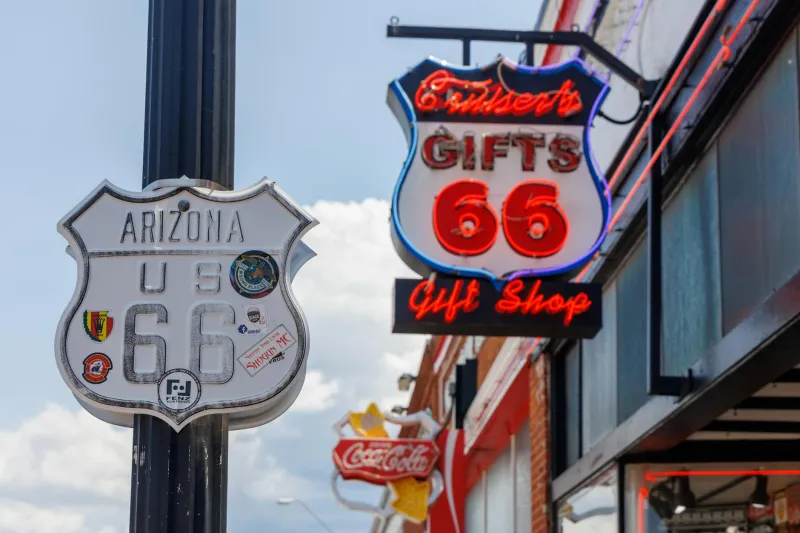
The Day the World Drove Around You
In 1956, Glenrio, Texas, sat directly on Route 66, the main artery carrying Americans between Chicago and Los Angeles. Every car, truck, and bus traveling that route had to drive down the town's main street, past its gas stations, diners, and motor courts. Then the Interstate Highway System arrived, and within five years, Glenrio became a ghost town that you can only reach by deliberately leaving the path that everyone else takes.
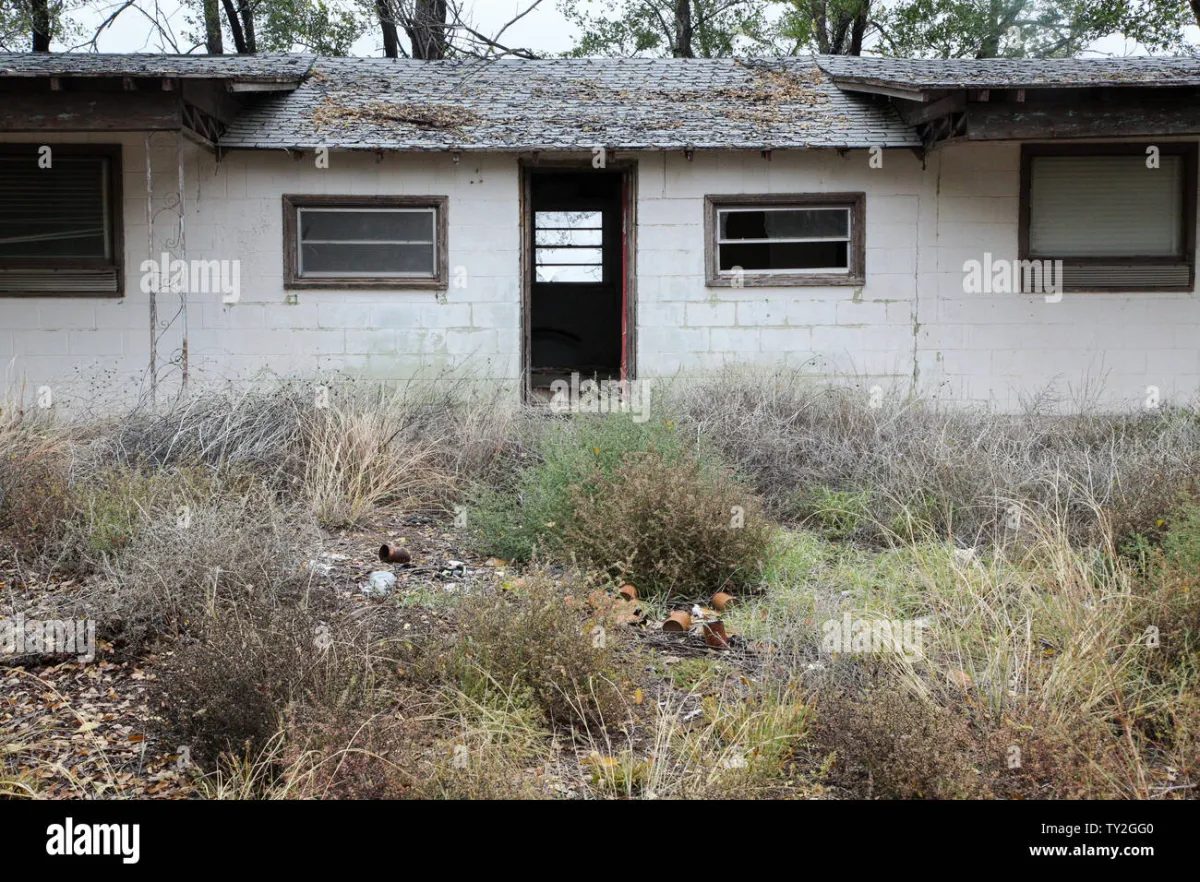 Photo: Glenrio, Texas, via c8.alamy.com
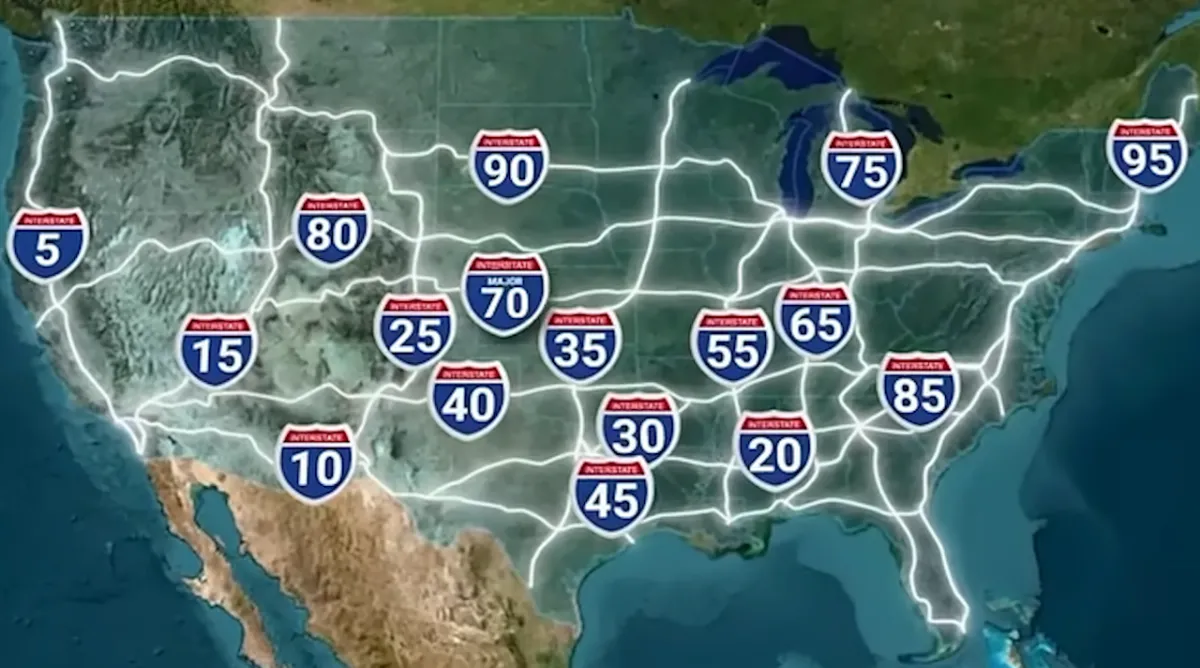 Photo: Interstate Highway System, via laughingsquid.com
The human psychology of being bypassed hasn't changed since ancient trade routes shifted away from once-prosperous settlements. What changed was the speed and surgical precision with which modern transportation systems could isolate entire communities from the flow of human movement and economic activity.
The Architecture of Abandonment
Drive through bypassed America today and you'll encounter a distinctive architectural psychology: buildings designed to catch the attention of people who no longer pass by. The oversized signs, the aggressive roadside advertising, the desperate attempts at visibility all represent a community's refusal to accept its new position outside the mainstream of American movement.
In Commerce, Oklahoma, the old Route 66 main street still features a restored 1929 gas station with art deco curves designed to catch the eye of travelers doing 45 mph. The building sits empty now, a monument to the moment when architectural psychology became obsolete overnight. The interstate bypass, completed in 1957, moved the flow of traffic two miles south, and Commerce's carefully designed streetscape became functionally invisible to the American traveling public.
The same pattern repeated across thousands of communities. In Newburg, Missouri, the Daniel Boone Motel still displays its vintage neon sign, designed in the 1950s to attract travelers on Route 66. The sign still works, still illuminates every night, but it's advertising to an empty highway. The psychological investment in visibility persists decades after visibility became meaningless.
The Neuroscience of Navigation and Identity
Human beings are fundamentally wayfinding creatures. We understand our place in the world partly through our position relative to the paths that others take. When those paths shift, our sense of identity and importance shifts with them.
Bypassed communities didn't just lose economic activity — they lost their role in the American narrative of movement and progress. Towns that had been necessary stops became optional detours. Places that had been unavoidable became forgettable. The psychological impact of this transition reveals itself in the architectural choices that bypassed communities made in response.
Many towns tried to compensate for their new invisibility by becoming more visually aggressive. Larger signs, brighter colors, more desperate attempts to catch attention from the distant interstate. The psychology is identical to what happens when individuals feel ignored or marginized — they often respond by trying harder to be noticed, sometimes in ways that backfire.
The Living Museums of Economic Displacement
Unlike true ghost towns, most bypassed communities didn't empty completely. Instead, they entered a strange state of suspended animation, maintaining just enough population to keep the lights on but not enough economic activity to support growth or renewal. These half-abandoned places function as accidental museums of the moment when American mobility patterns shifted.
In Tucumcari, New Mexico, the old Route 66 strip still operates as a kind of living museum, with restored motels and diners that cater primarily to nostalgia tourists rather than practical travelers. The town adapted to its bypass by embracing its new role as a destination for people seeking the experience of the old travel patterns, rather than trying to compete with the efficiency of the new ones.
This psychological adaptation — from necessity to nostalgia — represents one of the healthier responses to being bypassed. Communities that successfully made this transition often had to fundamentally reimagine their identity and purpose.
The Interstate as Surgical Instrument
The Interstate Highway System functioned like a massive surgical procedure on American geography, cleanly separating essential routes from everything else. The precision was remarkable: interstates could pass within miles of historic downtowns without providing any practical reason for travelers to visit them.
In Lebanon, Kansas — the geographic center of the contiguous United States — the interstate system created a peculiar psychological situation. The town sits at the exact middle of the country but requires a deliberate detour to reach. This geographic irony captures something essential about the bypass phenomenon: proximity to importance doesn't guarantee access to it.
The architecture of interstate interchanges reveals the surgical precision of this separation. Exit ramps provide just enough connection to allow determined visitors to reach bypassed communities, but not enough to make those communities part of the natural flow of travel. The design psychology is clear: these places are available if you specifically want them, but they're no longer part of the default American travel experience.
The Persistence of Optimism
Perhaps the most remarkable aspect of bypassed communities is their persistent optimism about eventual revival. Many still maintain their old commercial districts, still paint and repair buildings that haven't seen consistent customers in decades, still operate as though the traffic might return.
This psychological persistence reveals something fundamental about human nature: our difficulty accepting permanent changes in our circumstances, especially when those changes feel arbitrary or externally imposed. The communities that were bypassed didn't fail — they were simply removed from the system that had made them successful.
The New Geography of Attention
Modern digital connectivity has created new forms of the bypass phenomenon. Small towns that lost their position on physical travel routes can sometimes find new relevance through internet connectivity, social media presence, or remote work opportunities. The psychology of being bypassed remains the same, but the potential routes back to relevance have multiplied.
Some bypassed communities have successfully repositioned themselves as destinations for people fleeing urban complexity, offering the appeal of places that time and traffic forgot. The very characteristics that made them unsuitable for interstate commerce — isolation, quiet, unchanged character — became selling points for different kinds of visitors.
The Emotional Architecture of Abandonment
Walk through any bypassed downtown and you'll encounter the emotional architecture of a community processing its own diminished importance. The boarded storefronts, the overly optimistic "Coming Soon" signs, the carefully maintained facades on obviously empty buildings — all represent different stages of psychological adaptation to irrelevance.
These places offer visceral lessons about the fragility of economic geography and the psychology of communities that built their identity around being necessary stops on someone else's journey. They remind us that progress often requires leaving things behind, and that the things left behind don't always understand why they were no longer needed.