Private Mint, Public Delusion: When American Hotels Played Central Bank
The Psychology of Surrendering Your Wallet
Walk into any modern casino and you'll witness the same psychological sleight of hand that grand American resort hotels perfected over a century ago: the moment you exchange real money for house currency, your relationship with value fundamentally shifts. Those poker chips aren't really money anymore — they're toys, tokens, permission slips to suspend your usual financial judgment.
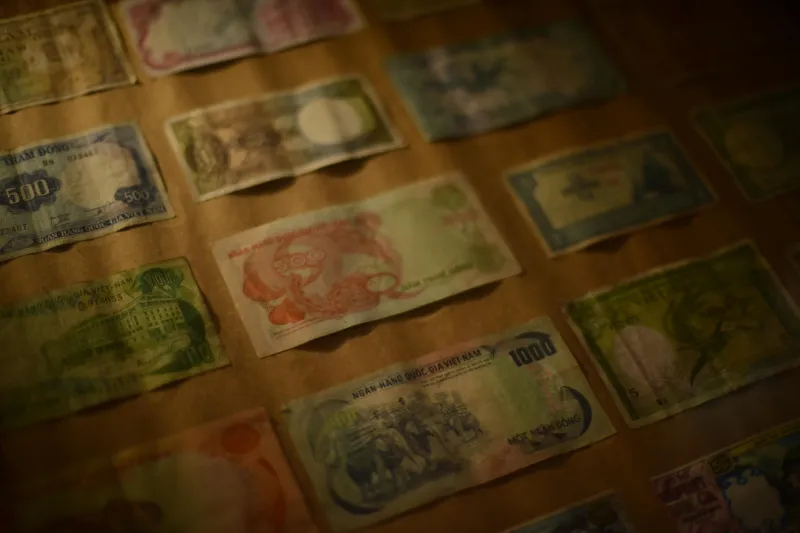
Between the 1870s and 1930s, dozens of American resort hotels took this concept even further, printing their own paper money and minting metal tokens that functioned as legal tender within their boundaries. The Greenbrier in West Virginia, the Hotel del Coronado in California, and the Mount Washington Resort in New Hampshire all operated as miniature nations with sovereign currencies, complete with exchange rates, banking hours, and the peculiar psychology that comes with monopoly money.
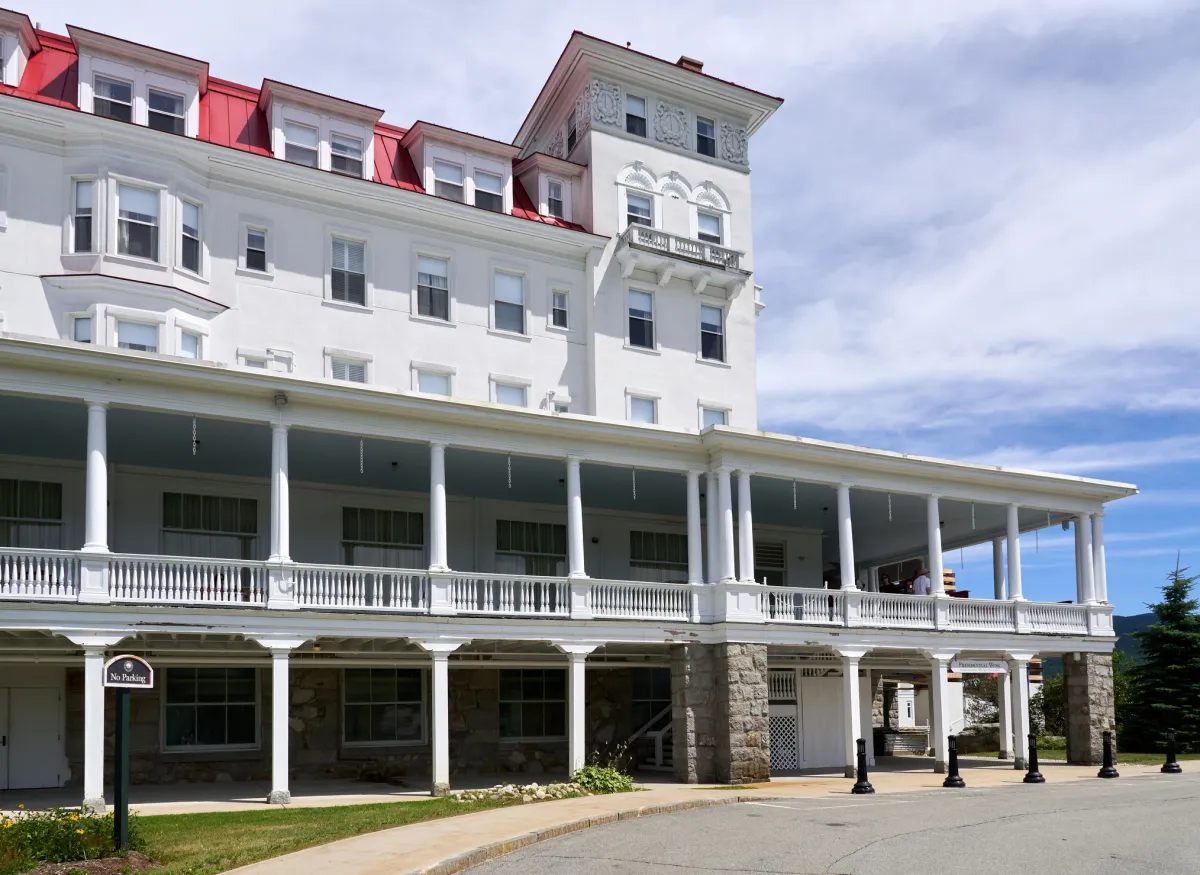 Photo: Mount Washington Resort, via ghostedtravel.com
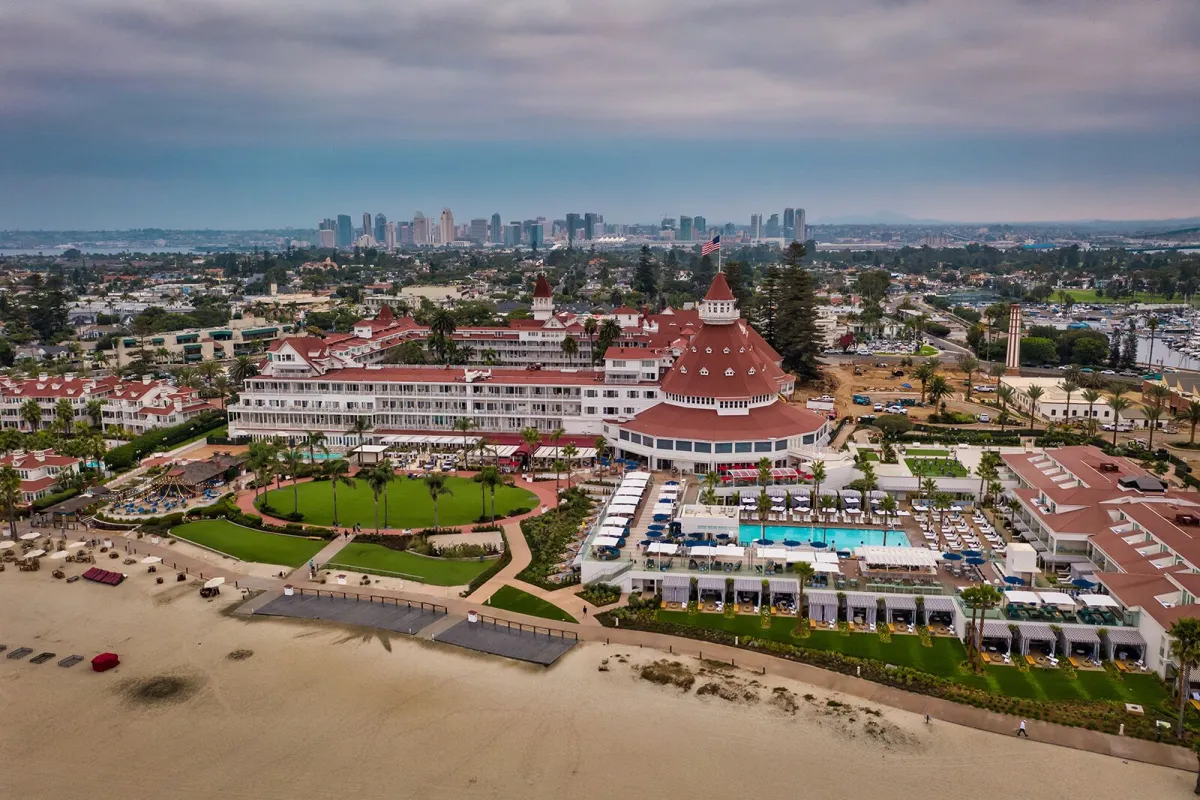 Photo: Hotel del Coronado, via cdn1.matadornetwork.com
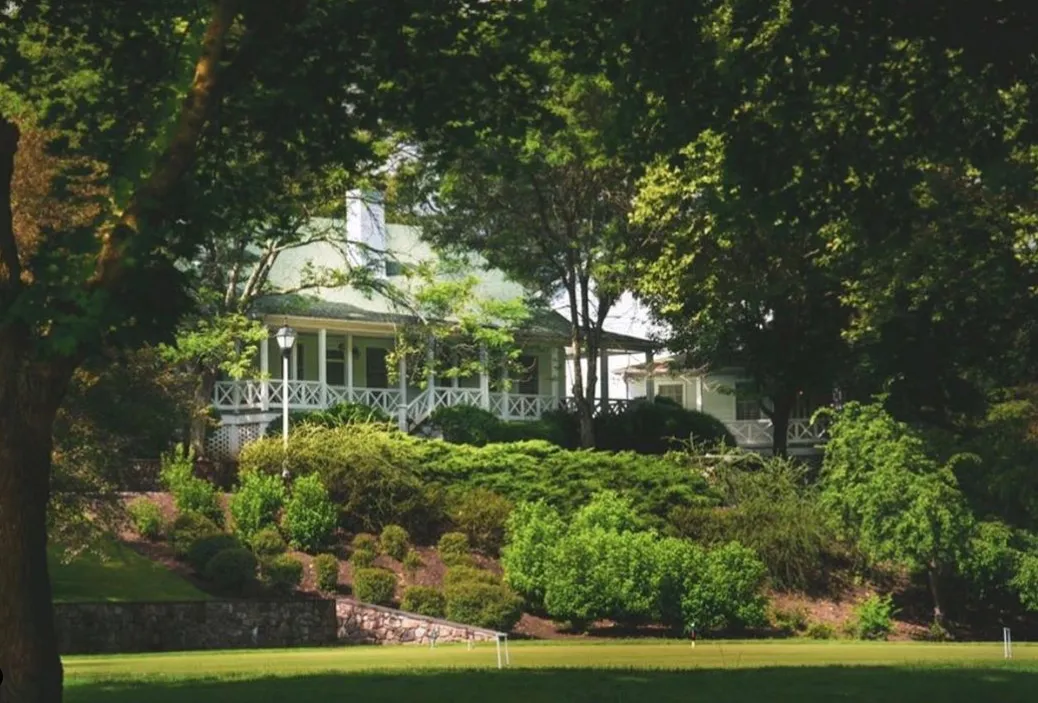 Photo: The Greenbrier, via www.greenbrier.com
The Mechanics of Financial Fantasy
These weren't simple gift certificates or modern hotel points systems. Resort scrip functioned as actual currency, accepted at every establishment within the hotel's ecosystem — restaurants, shops, entertainment venues, even tips for staff. Guests would arrive with dollars and leave with worthless paper, having spent days or weeks in an economic bubble where their host controlled every transaction.
The Hotel del Coronado's "Coronado Currency" came in denominations from 5 cents to $5, featuring elaborate engravings of the hotel itself. The psychology was brilliant: by literally putting their property on the money, the hotel made every transaction feel like an investment in the experience rather than an expense.
The Greenbrier went even further, issuing currency that could be used at affiliated properties across multiple states. For a brief period in the 1920s, you could theoretically travel from Virginia to Florida using nothing but Greenbrier dollars — assuming you never wanted to leave the controlled environment of luxury hospitality.
Why Smart People Made Dumb Money Decisions
The human brain hasn't evolved much since these resort currencies circulated. The same psychological mechanisms that made 1920s vacationers eagerly trade dollars for hotel scrip drive modern consumers to load money onto gift cards they'll never fully spend, or to feel liberated by the "convenience" of contactless payments that obscure the actual cost of transactions.
Resort currency worked because it created what behavioral economists now call "payment depreciation" — the further removed a payment method feels from actual money, the less painful spending becomes. Those ornate hotel bills weren't money; they were souvenirs. That elaborate metal token wasn't currency; it was part of the vacation experience.
Guests would arrive at these resorts and immediately participate in their own financial disarmament. The exchange rate was always exactly one-to-one going in, but psychologically, hotel money felt less valuable than the dollars they'd surrendered. Spending $50 in Greenbrier currency somehow felt less consequential than spending $50 in cash, even though the mathematical reality was identical.
The Geography of Monetary Make-Believe
You can still visit many of these former monetary microstates. The Mount Washington Resort in Bretton Woods, New Hampshire, where the 1944 international monetary conference established the post-war global financial system, once operated its own competing currency system. The irony is thick enough to ski on: the same hotel that hosted discussions about stabilizing world currencies had spent decades destabilizing its guests' financial judgment with proprietary money.
The Hotel del Coronado still displays examples of its old currency in glass cases near the front desk, museum pieces from an era when the boundary between hospitality and financial manipulation was far more blurred. Modern guests can examine these artifacts while using credit cards that accomplish essentially the same psychological distancing, just with better technology.
The Crash of Hotel Economics
The Great Depression killed most resort currency systems, not through regulation but through simple economics. When real money became scarce, the fantasy of hotel money became impossible to maintain. Guests stopped arriving with surplus dollars to convert, and hotels couldn't sustain closed-loop economies without constant injections of outside currency.
But the psychological appeal never disappeared. Modern resort "all-inclusive" packages accomplish the same mental trick: pay everything upfront, then spend the rest of your vacation in a consequence-free economic environment where every decision feels free because you've already surrendered financial agency.
The Eternal Return of Convenient Delusion
Today's digital payment systems, cryptocurrency, and mobile apps all rely on the same fundamental human psychology that made resort currency successful: our willingness to trade financial transparency for the illusion of convenience. Whether it's 1920s hotel scrip or 2020s digital wallets, the pattern remains consistent — we'll enthusiastically participate in systems that obscure the true cost of our choices if someone packages the obscurity as luxury or progress.
The grand resort hotels that once printed their own money understood something that modern behavioral economists are still documenting: human beings will reliably make worse financial decisions if you make those decisions feel less like financial decisions. The technology changes, but the psychology remains as predictable as a hotel checkout bill.