Standing Room Only for Standing Ovations: The Industrial Production of American Applause
The Ancient Art of Artificial Enthusiasm
In 1885, the Metropolitan Opera House in New York employed forty-three professional applauders who knew exactly when to gasp at dramatic moments, when to demand encores, and when to boo competitors. These weren't audience members who happened to be enthusiastic — they were paid employees whose job was manufacturing the emotional temperature of the room before genuine audience members knew what they were supposed to feel.
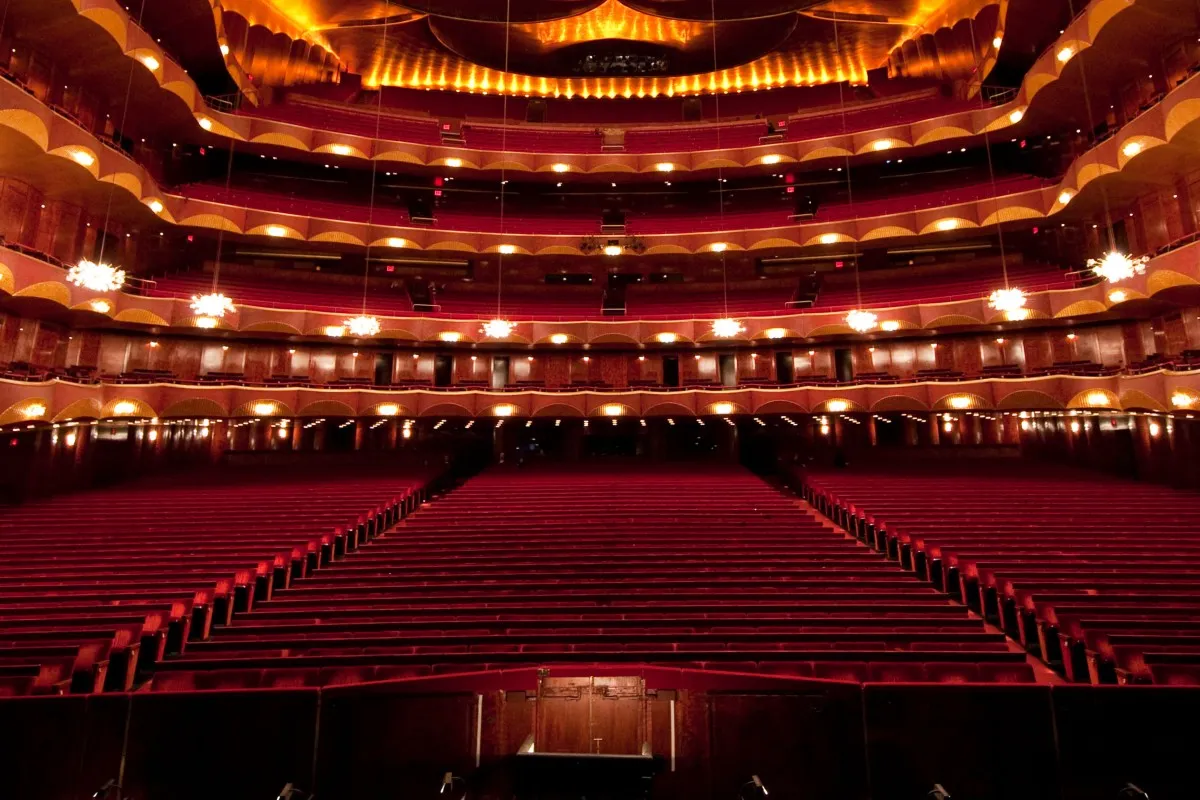 Photo: Metropolitan Opera House, via offloadmedia.feverup.com
The practice, imported from European "claque" systems, reveals something uncomfortable about human psychology that remains unchanged in our era of bot farms and viral marketing: we're remarkably willing to let others tell us what's worth celebrating, especially when the manipulation is skillfully invisible.
The Theater of Manufactured Emotion
American entertainment venues became laboratories for crowd psychology decades before anyone had coined the term. The Palace Theatre on Broadway, which opened in 1913, maintained detailed records of their professional audience members, including personality profiles and specialized skills. Some were hired specifically for their infectious laughter, others for their ability to start standing ovations that would spread organically through the genuine audience.
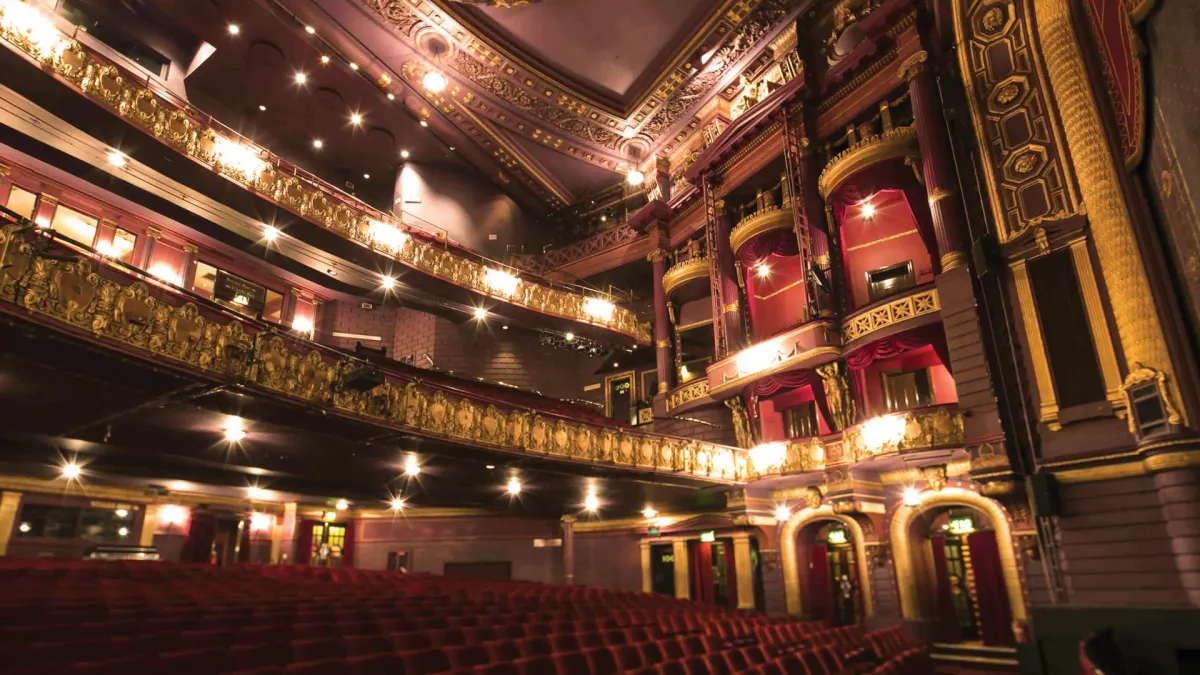 Photo: Palace Theatre, via seatplan.com
These weren't random cheerleaders. Professional applauders studied their craft, learning the precise timing needed to trigger herd behavior in crowds. They understood that human beings are fundamentally social animals who look to others for cues about appropriate emotional responses — a psychological reality that hasn't changed since ancient amphitheaters.
The Orpheum Circuit, which operated vaudeville theaters across the country in the early 1900s, standardized the practice of professional audiences. Each venue received detailed instructions about applause timing, including musical cues and performer-specific requirements. A comedian might need laughter started at the fifteen-second mark, while a singer required silence until the final note before triggering appreciation.
From Live Crowds to Canned Laughter
When television emerged, the psychology of manufactured enthusiasm simply migrated to new technology. The first laugh tracks weren't recorded from live audiences — they were created by sound engineers who understood that viewers at home needed audio cues to know when something was supposed to be funny, just like theater audiences had needed planted applauders to know when something was worth celebrating.
Charley Douglass, the engineer who invented the laugh track in the 1950s, worked from a studio in Northridge, California, that still exists today. His "laff box" was essentially an industrial applause machine, capable of producing thirty-two different types of laughter, from polite chuckles to sustained guffaws. The psychology was identical to the old claque systems: provide emotional guidance to people who weren't sure what they were supposed to feel.
The CBS Television City in Los Angeles, where many classic sitcoms were filmed, became ground zero for manufactured television enthusiasm. Shows would hire professional audience members to attend tapings, not to supplement genuine audience reactions but to guide them. These paid enthusiasts knew exactly when to laugh louder, when to applaud longer, and when to provide the emotional momentum that would carry through to viewers watching at home.
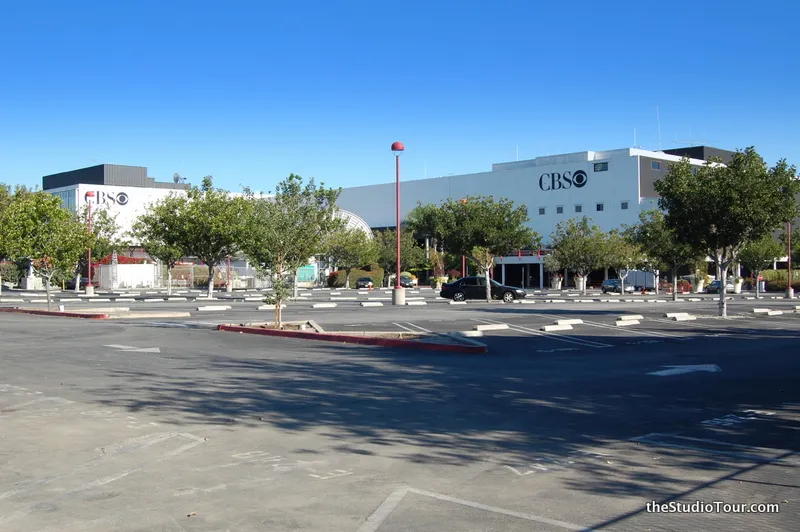 Photo: CBS Television City, via www.thestudiotour.com
The Convention Center Psychology of Collective Enthusiasm
Political conventions represent the ultimate evolution of professional audience psychology. The Democratic and Republican National Conventions, held in massive venues like the United Center in Chicago or the Wells Fargo Center in Philadelphia, employ sophisticated systems for manufacturing enthusiasm that make 1880s opera cliques look primitive.
Modern political conventions use "floor whips" — paid organizers whose job is triggering applause at precise moments, ensuring that television audiences see and hear appropriate levels of enthusiasm for each speaker. These aren't spontaneous expressions of political passion; they're carefully orchestrated emotional performances designed to influence viewers who aren't physically present.
The psychology remains unchanged from the Metropolitan Opera House's professional applauders: human beings need social proof to know what deserves celebration, and they're willing to accept that proof from people who are literally paid to provide it.
Digital Cliques and Virtual Applause
Today's social media influence campaigns operate on identical psychological principles as 19th-century theater cliques, just with better technology. The server farms that house bot accounts generating fake likes, shares, and comments are the modern equivalent of the back rooms where professional applauders received their nightly instructions.
The Facebook and Twitter offices in Menlo Park and San Francisco have become inadvertent museums of manufactured enthusiasm, hosting the digital infrastructure that determines which ideas appear popular enough to deserve genuine human attention. The algorithms that amplify certain content while suppressing others function as automated clique systems, providing social proof about what's worth celebrating before users decide for themselves.
The Venues Where Enthusiasm Goes to Work
You can still visit many of the physical spaces where professional enthusiasm was industrialized. The Metropolitan Opera House maintains tours that include the areas where professional applauders once gathered before performances. The Palace Theatre on Broadway offers backstage tours that pass through spaces where paid audience members received their nightly instructions.
CBS Television City in Los Angeles provides studio tours that include the audience warm-up areas where professional enthusiasts still work today, coaching live audiences about when and how to react. The continuity is remarkable: the same psychological techniques developed for 1920s vaudeville audiences are still being used to manufacture enthusiasm for 2020s television shows.
The Eternal Return of Social Proof
The human need for social proof about what deserves enthusiasm hasn't evolved since the first professional applauders took their positions in American theaters. We still look to others for emotional cues, still feel more comfortable celebrating things that appear to already have social validation, and still participate willingly in systems that manufacture that validation for commercial purposes.
Whether it's 1885 opera applauders, 1955 television laugh tracks, or 2025 social media algorithms, the pattern remains consistent: we'll let others tell us what's worth celebrating, as long as they're skilled enough to make the manipulation feel natural. The venues change, the technology improves, but the psychology of manufactured enthusiasm remains as reliable as a well-timed standing ovation.