When Entire Towns Hit the Road: The American Art of Collective Relocation
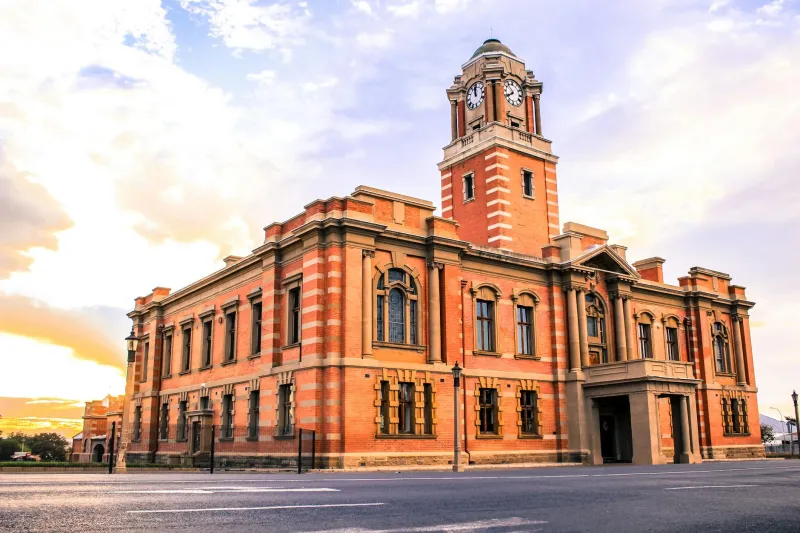
In 1919, the residents of Hibbing, Minnesota did something that sounds impossible: they moved their entire town two miles south. Not just the people — the buildings. The school, the courthouse, the hotel, even individual houses got loaded onto rollers and wheeled to a new location. The reason was simple: iron ore lay beneath their streets, and the mining company wanted it.
This wasn't some frontier oddity. Across America, entire communities have pulled up stakes and relocated themselves when circumstances demanded it. The pattern repeats with mechanical precision: resources run out, disasters strike, or powerful interests decide a town sits in the wrong spot. What happens next reveals something fundamental about human psychology that hasn't changed since ancient Rome started shuffling entire populations around the Mediterranean.
The Economics of Uprooting
The decision to move a town is never really about the town. It's about who has enough power to make everyone else go along with it. In Hibbing's case, the Oliver Iron Mining Company offered to pay relocation costs — but only if the entire business district agreed to move together. Individual holdouts would be surrounded by empty lots and mining pits.
This same dynamic played out in Avery Island, Louisiana, where the Tabasco pepper sauce fortune was built on salt domes that kept sinking. Rather than abandon their investment, the McIlhenny family systematically relocated buildings and infrastructure as the ground shifted beneath them. The town that exists today sits several feet higher than the original settlement, lifted building by building over decades.
The psychology here is ancient. When Cortés burned his ships, he was applying the same principle that makes town relocations work: eliminate individual exit options, and people will commit to collective solutions they'd never choose alone. Roman colonial administrators understood this perfectly, which is why they moved entire tribes when it served imperial interests.
The Mythology of Starting Over
Americans tell themselves a particular story about these relocations: they're evidence of our adaptability, our refusal to be defeated by circumstances, our willingness to reinvent ourselves. The reality is messier. Most town moves involved significant coercion, with holdouts pressured through economic isolation or legal mechanisms.
Valmeyer, Illinois relocated after the 1993 Mississippi River floods, but the decision split the community. Older residents who'd lived through previous floods wanted to rebuild in place. Younger families with children pushed for higher ground. The federal buyout program that made the move possible required a supermajority vote — meaning the minority who wanted to stay lost not just the argument, but their homes.
This pattern repeats across cultures and centuries. When ancient cities relocated after earthquakes or sieges, the decision-making process always favored those with the most to lose from staying and the resources to start over somewhere else. The poorest residents typically got left behind to make do in the ruins.
The Architecture of Collective Memory
What's fascinating about American town relocations is how they handle the question of continuity. Hibbing's relocated buildings carried their original addresses to the new site. The high school that moved in 1920 still claims its 1900 founding date. These aren't just bureaucratic conveniences — they're psychological anchors that let communities maintain their identity while abandoning their geography.
The Romans did something similar with their colonial cities, bringing architectural templates and civic rituals that made new settlements feel familiar. The difference is that American town moves happened within living memory, creating a unique form of collective nostalgia for places that still exist, just not where they used to be.
When Moving Means Staying
The most successful town relocations share a counterintuitive feature: they happen when communities are still strong enough to organize the move. Dying towns don't relocate — they just die. The decision to move requires the kind of social cohesion and economic resources that most struggling communities have already lost.
This explains why town relocations cluster in specific industries and time periods. Mining boomtowns moved when the ore played out but the company remained profitable. Agricultural communities relocated when dam projects promised irrigation benefits. The common thread isn't desperation — it's the presence of institutional actors with both the motivation and means to coordinate collective action.
The View from the Moving Truck
Today, you can visit most of these relocated towns without realizing their history. New Hibbing looks like any other Minnesota mining town. Relocated Valmeyer sits on its hill overlooking the Mississippi, indistinguishable from communities that never moved. The physical evidence of these massive undertakings has been absorbed into the landscape.
But the psychological patterns persist. When Hurricane Katrina hit New Orleans, the most serious relocation proposals came from the same types of institutional actors who'd moved towns a century earlier: federal agencies, development corporations, and academic planners. The resistance came from the same place it always has — residents who'd built their identities around specific places and couldn't imagine themselves anywhere else.
The difference between communities that successfully relocate and those that die in place isn't about adaptability or resilience. It's about power — who has it, how they use it, and whose attachments get overruled when the moving trucks arrive. That's a lesson as old as civilization itself, just dressed up in American mythology about fresh starts and second chances.