Where Lightning Strikes Twice: The Strange Psychology of Rebuilding in Harm's Way
The Logic of Staying Put
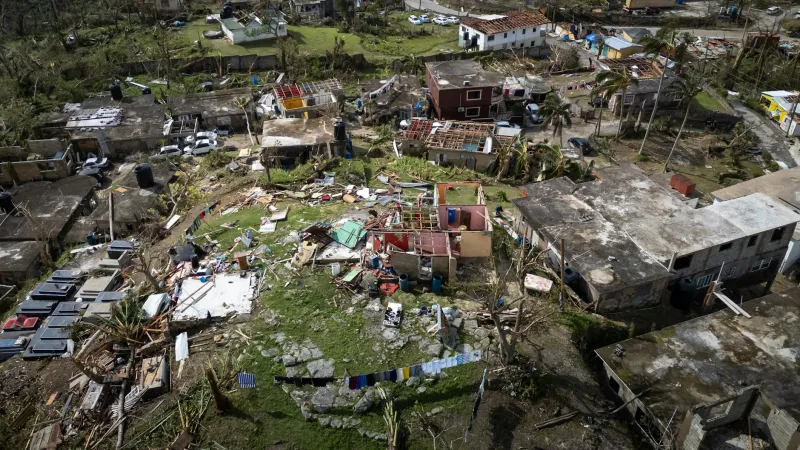
In September 1900, a hurricane killed 6,000 people in Galveston, Texas. The city was obliterated — houses swept into the Gulf, entire neighborhoods erased from maps. The rational response would have been to pack up and move inland. Instead, Galvestonians raised the entire city 17 feet and built a seawall. They rebuilt in the exact same spot that had just tried to kill them all.
This wasn't an isolated case of Texas stubbornness. It's a pattern that repeats across American history with the reliability of a metronome. San Francisco rebuilt on the same fault lines that shook it apart in 1906. New Orleans keeps pumping water out of a bowl that sits below sea level. Joplin, Missouri, reconstructed itself in the same tornado corridor that flattened it in 2011.
To understand why, you don't need to survey college students about risk tolerance. You need to look at the entire record of human behavior — and that record shows this impulse is as old as civilization itself.
The Pompeii Principle
When Vesuvius buried Pompeii in 79 AD, survivors didn't scatter to safer ground. Archaeological evidence shows they camped outside the ash zone, waiting for a chance to return. Within decades, new settlements sprouted on the volcanic slopes. The same fertile soil that made the region prosperous also made it deadly — but people chose prosperity.
This is the psychology that drives every FEMA flood map argument, every zoning board meeting in hurricane country, every debate about rebuilding versus relocating. It's not that people don't understand risk. It's that they understand something else even better: the irreplaceable value of place.
The Economics of Attachment
Travel through any rebuilt American city and you'll see two places layered on top of each other. In Galveston, Victorian mansions stand on stilts that tell the story of the grade raising. Plaques mark the "before" level, now buried under tons of sand and determination. The tourist trolleys roll past these elevation markers without much fanfare, but they're monuments to a peculiar form of human mathematics.
The calculation goes like this: moving means starting over. Rebuilding means keeping everything except the buildings. Your social networks, your knowledge of local markets, your family graves, your sense of belonging — none of that transfers to higher ground. So you rebuild where you are and bet that lightning won't strike twice.
Except lightning does strike twice. That's why it's called lightning.
The San Francisco Experiment
After the 1906 earthquake and fire, San Francisco had a chance to redesign itself entirely. Urban planners proposed moving the city center away from the fault lines, creating wider streets, building with earthquake-resistant materials. The city rejected nearly every suggestion and rebuilt according to the old street grid, often using the same building materials that had just burned down.
Why? Because the fault lines came with the harbor. The harbor came with the trade routes. The trade routes came with the money. Moving inland meant giving up the geographic advantages that had made San Francisco worth building in the first place.
This logic echoes through every disaster-prone American city. New Orleans exists because of the Mississippi River, not in spite of it. The river that floods the city also feeds it. Miami sits in hurricane alley because hurricane alley happens to have the best beaches and the closest proximity to Latin American trade routes.
The Modern Map Wars
Today's version of this ancient psychology plays out in FEMA flood maps and insurance regulations. Communities fight tooth and nail against being designated as flood zones, not because they don't flood, but because the designation makes rebuilding expensive. The psychology remains unchanged: people would rather take their chances with nature than abandon the places that feel like home.
Visit any of these rebuilt cities and you can see the evidence everywhere. In Charleston, South Carolina, houses built after Hurricane Hugo have different foundations than their neighbors — telltale signs of lessons learned and promptly ignored when the next generation of builders arrived. In Moore, Oklahoma, tornado shelters dot neighborhoods that have been flattened and rebuilt multiple times.
The Tourist's Double Vision
For travelers, these rebuilt cities offer a unique form of historical tourism. You're not just visiting one place — you're visiting the ghost of what was destroyed layered beneath what rose to replace it. In Galveston, you can walk through the East End Historic District and see houses that survived the 1900 storm standing next to houses built to replace the ones that didn't.
This creates an odd form of time travel. You're simultaneously visiting the city that was destroyed and the city that refused to die. The original street layouts remain, but the buildings tell stories of disaster and recovery. It's like touring a place that exists in multiple timelines at once.
The Eternal Return
The ancient Greeks had a concept called eternal return — the idea that history repeats itself in cycles. They probably didn't expect it to apply so literally to urban planning, but here we are. Every generation discovers that their particular disaster was unprecedented, then rebuilds exactly where their predecessors built, setting up the next generation for the same lesson.
This isn't stupidity. It's the most human thing imaginable: the belief that this time will be different, that we can outsmart geography with engineering, that the value of a place transcends its occasional attempts to kill everyone who lives there.
And sometimes, that belief pays off. Sometimes the seawalls hold and the building codes work and the early warning systems save lives. Sometimes lightning doesn't strike twice.
But when it does, we'll be right there waiting for it, exactly where we've always been.