Clocks Stopped, Tickets Unsold: Inside America's Frozen Railroad Depots
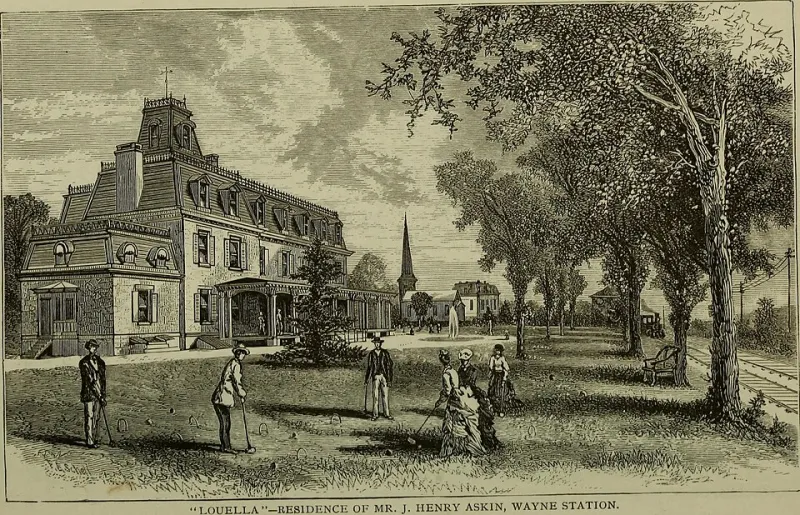
Photo: Pennsylvania Railroad, No restrictions, via Wikimedia Commons
Clocks Stopped, Tickets Unsold: Inside America's Frozen Railroad Depots
The ticket window at the Thurmond depot in West Virginia still has the rate card posted. The rates are from 1952. The window hasn't opened since.
Thurmond is one of the most intact surviving examples of a phenomenon that played out in hundreds of American towns between the 1950s and the 1980s: the railroad left, nobody had a plan, and the building just... stayed. Locked. Exactly as it was on the last operating day. The infrastructure of a whole way of organizing life, preserved in amber because nobody got around to demolishing it.
Visiting these places is one of the stranger travel experiences available in this country. You are not looking at a reconstruction. You are not reading an interpretive panel. You are standing in the actual room where the economic logic of an entire region simply stopped working, mid-sentence.
What a Depot Actually Was
It's worth being precise about what you're looking at when you walk into one of these buildings, because the word "depot" undersells it badly.
For most American towns from roughly 1870 through the mid-20th century, the railroad depot was the point where the local economy connected to everything else. Goods came in. Goods went out. People arrived. People left. News traveled by telegraph through the same building. The depot agent was often the most informed person in town — the one who knew commodity prices, who had heard the wire traffic, who could tell you whether the weather was bad two counties over.
The waiting room wasn't just a place to sit. It was the town's interface with the wider world. The bench where you waited for the 4:15 was also the bench where you heard that your cousin's letter had arrived, that the price of wheat had dropped, that there was work in the next state.
When the depot closed, all of that closed with it. Not gradually. All at once, on a specific day, when the last train ran its last route and the agent turned the key.
The Psychology of Assuming Infrastructure Is Permanent
Here's the thing that makes these buildings more than just architectural curiosities: every single person who built them, worked in them, and organized their lives around them assumed they would last.
Not forever, exactly. But certainly longer than a generation. Certainly longer than they did.
This is not a failure of imagination unique to 19th-century railroad towns. It is a failure of imagination that belongs to every era, including ours. The Romans built roads they assumed would carry traffic indefinitely. Medieval towns organized their entire economies around river crossings that silted up. We build our lives around infrastructure that feels load-bearing right up until it isn't.
The frozen depot is a useful corrective to that assumption. It makes the collapse visible and immediate in a way that a history book cannot. You are not reading about an economic transition. You are standing inside one, preserved at the moment of impact.
The Most Intact Examples Worth Visiting
Thurmond, West Virginia, is the most famous, and it earns the reputation. The National Park Service manages it now as part of the New River Gorge National Park, which means access is relatively straightforward. The building retains its original configuration, and the surrounding ghost town — once a coal-shipping hub of genuine consequence — provides context that amplifies everything the depot says on its own.
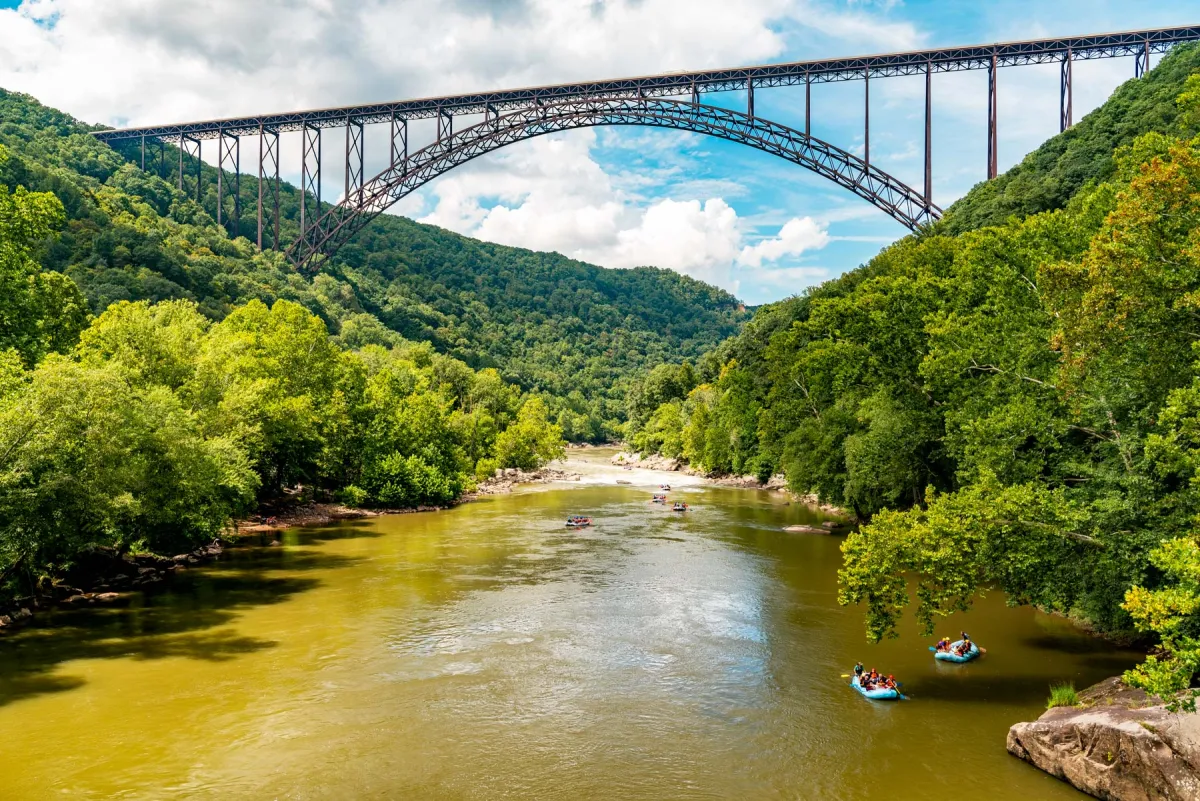 Photo: New River Gorge National Park, via morethanjustparks.com
The Glenrio depot, straddling the Texas-New Mexico border on old Route 66, is a different kind of experience. Less formally preserved, more genuinely abandoned. The building has deteriorated past the point of interior access, but the exterior and the surrounding ghost town make the economic logic of its collapse legible in a way that a maintained site sometimes can't. Glenrio died twice: once when the railroad bypassed it, and again when the interstate bypassed the bypass.
In the upper Midwest, small-town depots in North Dakota and Minnesota survive in varying states of preservation, some maintained by local historical societies, some simply standing because nobody has gotten around to taking them down. The Minot, North Dakota area has several within driving distance of each other, which allows you to see the same story at different scales — the regional hub depot and the tiny flag-stop depot, both locked on the same day the same decision was made somewhere far away.
The Luggage That Never Got Claimed
Several surviving depots still contain unclaimed luggage from their final operating years. This is, objectively, one of the most unsettling things you can encounter in an American building.
Someone packed a bag. Someone expected to be somewhere. The train left, and the bag stayed, and then the trains stopped running, and the bag is still there.
The emotional weight of that image is not accidental. It's the same weight you feel looking at Pompeii — the interrupted life, the assumption that tomorrow would arrive. The scale is different. The psychology is identical.
That's the argument these buildings are quietly making every day they stand: your infrastructure is not permanent. Your organizing systems are not inevitable. The thing that makes your town cohere, the thing your economy runs on, the thing you assume will simply always be there — it has a last day. You probably won't know in advance which day that is.
What the Dust Preserves
The dust in an abandoned depot is doing something useful. It is marking time in a way that restoration erases.
When historical preservationists clean and restore a building, they are making an argument about value — this is worth saving, this is worth presenting. That argument is legitimate and important. But it costs something. The cleaned depot tells you what the building looked like. The dusty one tells you what happened to it.
The most honest travel experience available in these places is the unrestored one. The chalked schedule no one erased. The rate card no one took down. The clock that stopped at a specific hour on a specific day and has been stopped at that hour ever since.
That clock is not broken. It is accurate. It is telling you exactly what time it was when the world this building was built for ended.