Standing in the Hallway Was the Whole Point: The Architecture of American Access
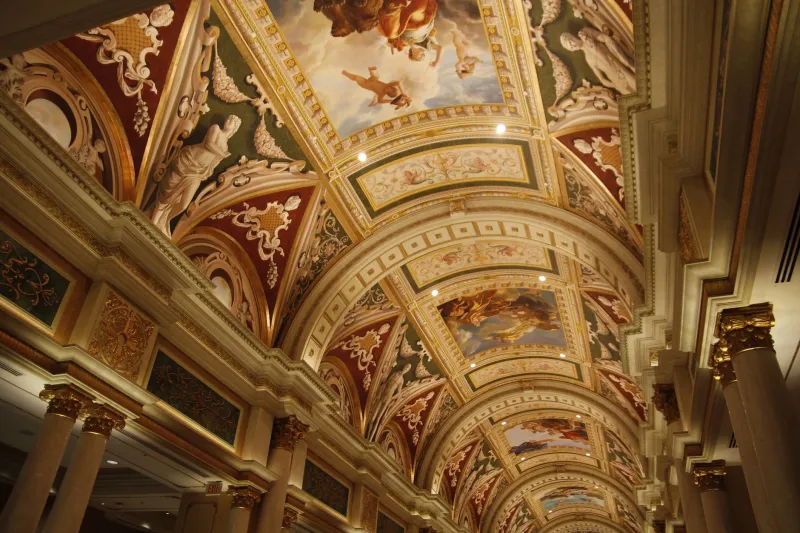
There's a reason we call it lobbying. The word comes from a room — specifically, the anteroom of the British House of Commons, where petitioners would linger in the hope of catching a legislator between votes. The Americans who inherited this tradition didn't just borrow the word. They built entire architectural systems around the practice, embedding the logic of strategic proximity into courthouses, hotels, and post offices from the very beginning.
Wherever Americans waited, they were already negotiating. That's not a metaphor. It's a floor plan.
The Room Before the Room
Visit any 19th-century American courthouse and pay attention to what you find before you find the courtroom. There's almost always a wide public hall, a set of benches worn smooth by decades of use, and enough ambient noise to cover a whispered conversation. These spaces weren't accidental. Architects of civic buildings understood, consciously or not, that the formal proceeding inside was only half the story. The real work happened in the approach.
Judges walked those halls. County commissioners passed through them twice a day. Sheriffs, clerks, tax assessors — all of them had to move through public space to reach their offices, and public space is, by definition, accessible. A farmer with a grievance about a property line didn't need an appointment. He needed to know what time court recessed for lunch.
This is human psychology doing exactly what it's always done. Studies on social influence consistently show that physical proximity increases the perceived legitimacy of a request. We are more likely to say yes to someone standing in front of us than to a letter sitting on a desk. The ancients understood this without the research. The Romans built the Forum as a place where citizens could physically intercept their representatives. Medieval petitioners followed kings from castle to castle, camping outside the gates, because access was the entire game. American courthouse architects inherited this understanding and poured it into brick and mortar.
The Hotel Corridor as Policy Engine
If the courthouse was where local power lived, the hotel was where it traveled. And for most of American history, the grand hotel lobby was the most democratic — and the most manipulable — room in any major city.
The Willard Hotel in Washington, D.C. gets the most famous credit here. Ulysses Grant supposedly complained about the "lobbyists" who cornered him in its lobby while he tried to smoke his evening cigar in peace, and whether or not that story is precisely true, it captures something real about the geography of influence. The Willard's lobby was not incidentally a power corridor — it was deliberately designed as one. High ceilings, multiple entrances, comfortable chairs arranged in clusters that encouraged lingering. You could see everyone who came in and everyone who left. It was a surveillance room that felt like a parlor.
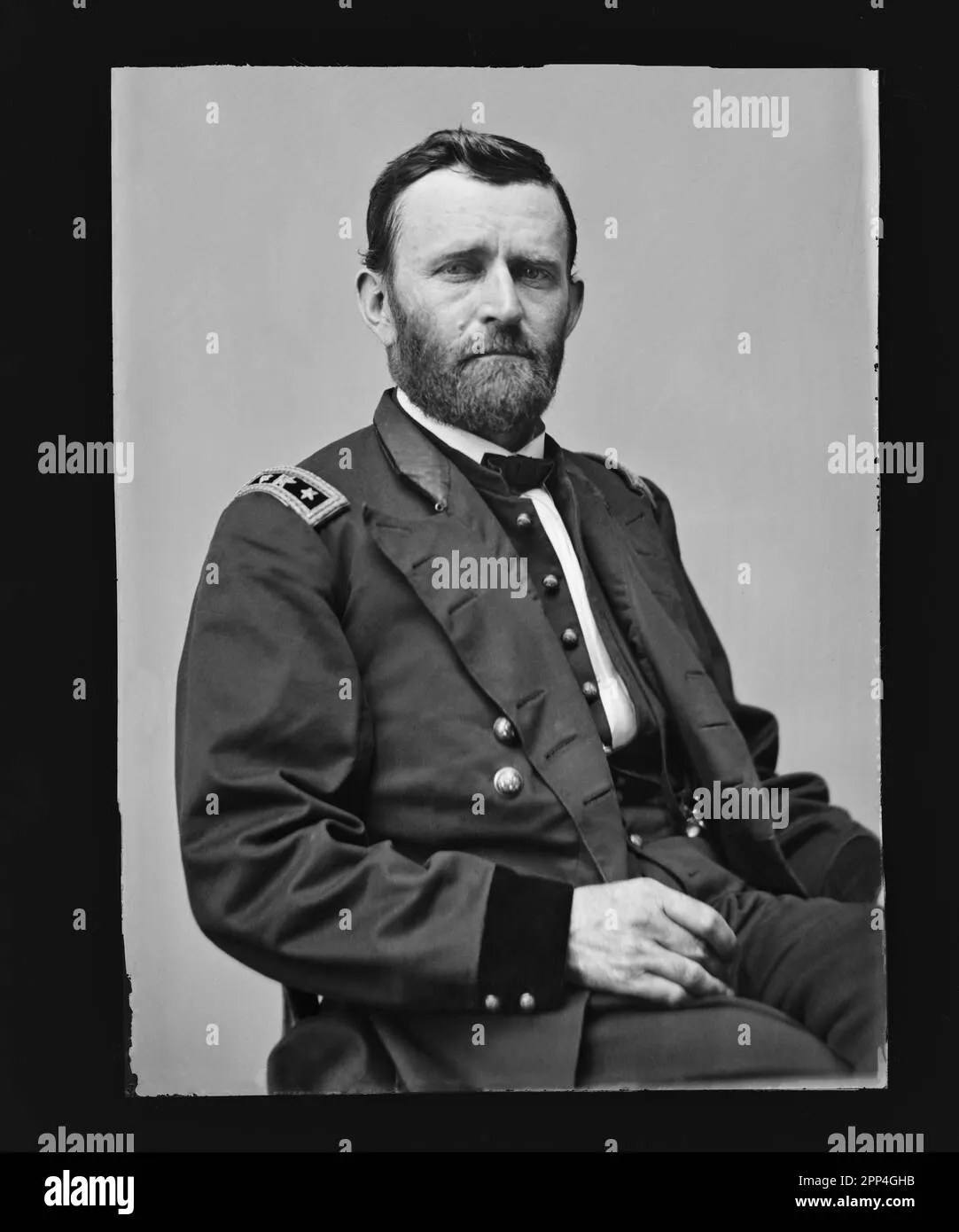 Photo: Ulysses Grant, via c8.alamy.com
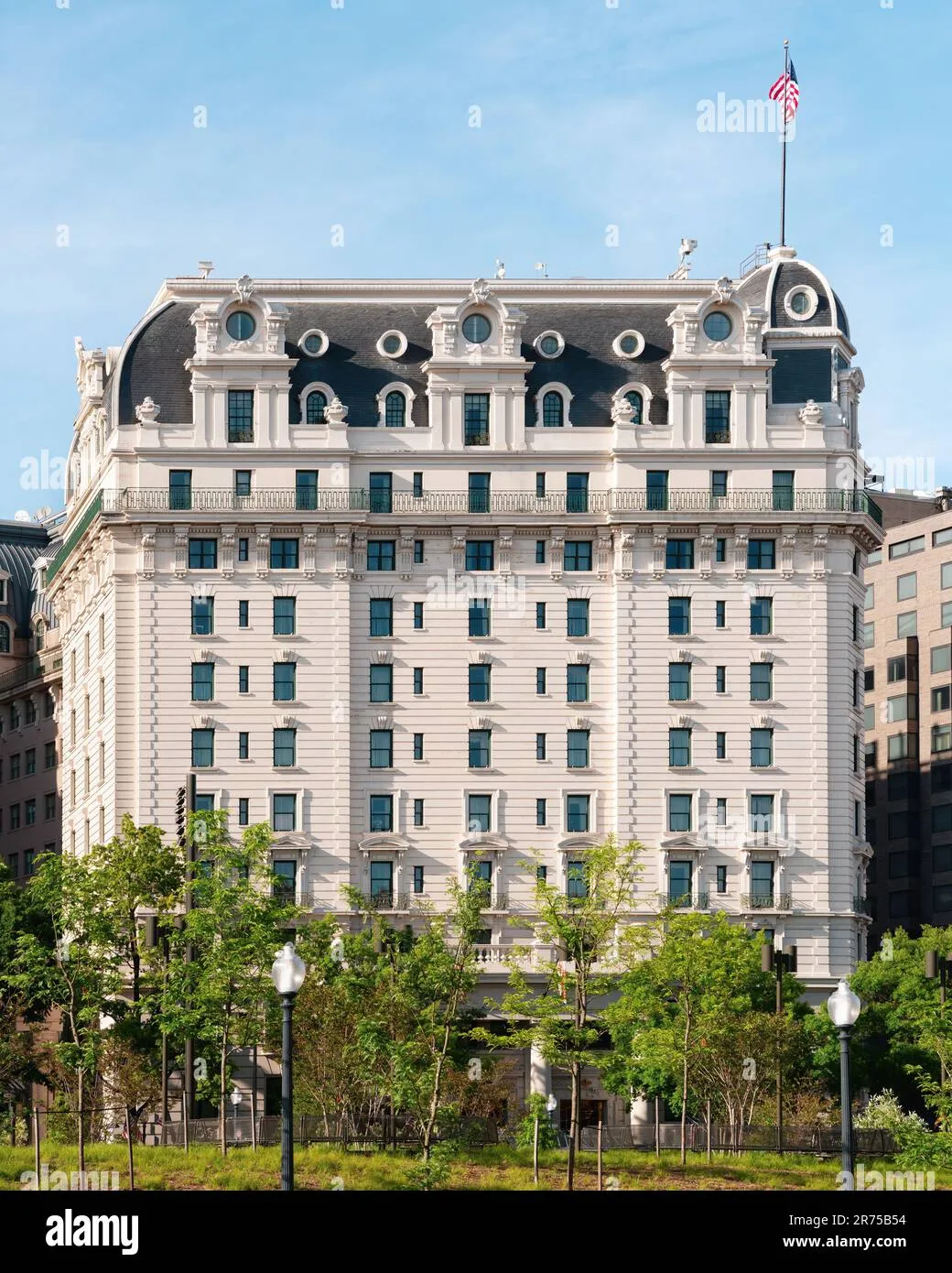 Photo: Willard Hotel, via c8.alamy.com
The same logic played out in state capitals across the country. Columbus, Ohio. Albany, New York. Springfield, Illinois. Every one of these cities had at least one hotel within walking distance of the statehouse where the actual legislative business got conducted after hours, over dinner, in hallways, at the bar. The official chambers were for voting on what had already been decided somewhere more comfortable.
What's striking, when you walk these spaces today — the ones that still exist — is how intentional the design feels in retrospect. Wide corridors that slow foot traffic. Bars positioned so you could see the front entrance from your stool. Dining rooms with tables set far enough apart to allow private conversation but close enough that you'd know who was eating with whom. These buildings were information machines. And access to the information was, itself, the currency.
The Post Office Anteroom Nobody Wrote About
The hotel lobby gets the historical attention, but there's a less glamorous waiting room that shaped just as much American policy: the post office.
For most of the 19th century, the postmaster was one of the most politically significant figures in any American town. The postmaster controlled who received their mail promptly and who waited. He knew who was corresponding with whom. He was almost always a political appointee, which meant his waiting room was a place where local partisans gathered, favors were distributed, and loyalty was demonstrated by simply showing up.
Federal post office buildings, especially after the Civil War, were designed with this social function in mind. The public lobby was generous, often featuring benches and bulletin boards. The postmaster's private office was positioned so that he could observe the public floor. You weren't just picking up your mail. You were being seen picking up your mail, and the company you kept while doing it was noted.
This isn't conspiracy. It's just how power has always worked. The research on in-group signaling shows that physical presence in spaces associated with authority is one of the oldest and most reliable ways humans establish social belonging. The post office anteroom was doing the same thing the Versailles antechamber did for French nobles — it was sorting people by their willingness to wait.
Who the Architecture Was Built For
Here's the part that the architectural histories tend to gloss over: not everyone could use these spaces equally.
The courthouse bench was available to anyone who could get to the county seat, which meant it was available to white male property owners at a rate substantially higher than anyone else. The hotel lobby required either money or the appearance of money — a suit, a card, a name someone recognized. The post office anteroom was nominally public, but postmasters were political animals, and political animals have always had a clear sense of whose presence was welcome and whose was tolerated.
When we trace the formalization of lobbying — the moment it went from "guy waiting in a hallway" to "paid professional with a retainer" — we're also tracing the moment the system acknowledged that access had value and started charging for it. That shift happened gradually across the late 19th and early 20th centuries, and it coincided almost exactly with the period when the informal networks of courthouse-square politics were becoming too complex to navigate without a guide.
The architecture didn't change much. The access did.
What the Waiting Rooms Left Behind
Next time you're in a state capital, find the old hotel nearest the statehouse. Walk its lobby if it's still standing. Sit in the chairs, if there are chairs. Notice how the room is organized — where you can see from, what you can hear, how easy it would be to intercept someone moving from one end to the other.
Then go to the courthouse and find the public hall. Sit on one of the benches, if they haven't been removed for security reasons. Think about how many conversations happened in that exact spot that never made it into any official record.
The formal history of American democracy is in the archives. The real history is in the floor plan. The waiting room was never just a waiting room. It was the room where the waiting was the work, and the people who understood that earliest were the ones who got what they came for.