Named Before They Were Built: The American Towns That Sold a Dream and Then Had to Become One
There is a town in Illinois called Metropolis. It sits on the Ohio River at the southern tip of the state, population around six thousand, and it has leaned so hard into its Superman connection — despite Superman being a fictional character with no historical relationship to southern Illinois — that it erected a fifteen-foot bronze statue of the Man of Steel in the town square and hosts an annual Superman Celebration that draws tens of thousands of visitors.
Here's the thing: Metropolis was named Metropolis in 1839. Superman didn't exist until 1938. The town had the name for a hundred years before it had a reason for the name, and when the reason finally arrived in the form of a comic book character, the town grabbed it with both hands.
This is a very American story. It just usually runs in the other direction.
The Name Comes First. Always.
American land speculation in the eighteenth and nineteenth centuries operated on a simple psychological insight: people don't buy property, they buy futures. A plot of muddy river bottomland is worth very little. The same plot, reframed as a lot in the future commercial center of the region, is worth considerably more. The key variable isn't the land. It's the story attached to it.
Speculators understood this intuitively. Before a single survey stake went in the ground, before a road was cut or a well dug, they sat down and named the place. And they named it ambitiously. Rome. Cairo. Carthage. Troy. Corinth. Athens. The American Midwest is littered with the ruins of classical civilizations that never existed here, named by promoters who understood that grandeur is contagious — that if you can get someone to imagine a place as important, they'll pay for the privilege of being part of it.
This is not a cynical observation. It's a psychological one. Human beings are story-processing machines. We don't evaluate opportunities in the abstract; we evaluate them through narrative. Tell someone they're buying a lot in Cairo, Illinois — positioned at the confluence of the Ohio and Mississippi Rivers, the natural commercial hub of the American interior — and they're not buying dirt. They're buying a chapter in a story that ends with them being right.
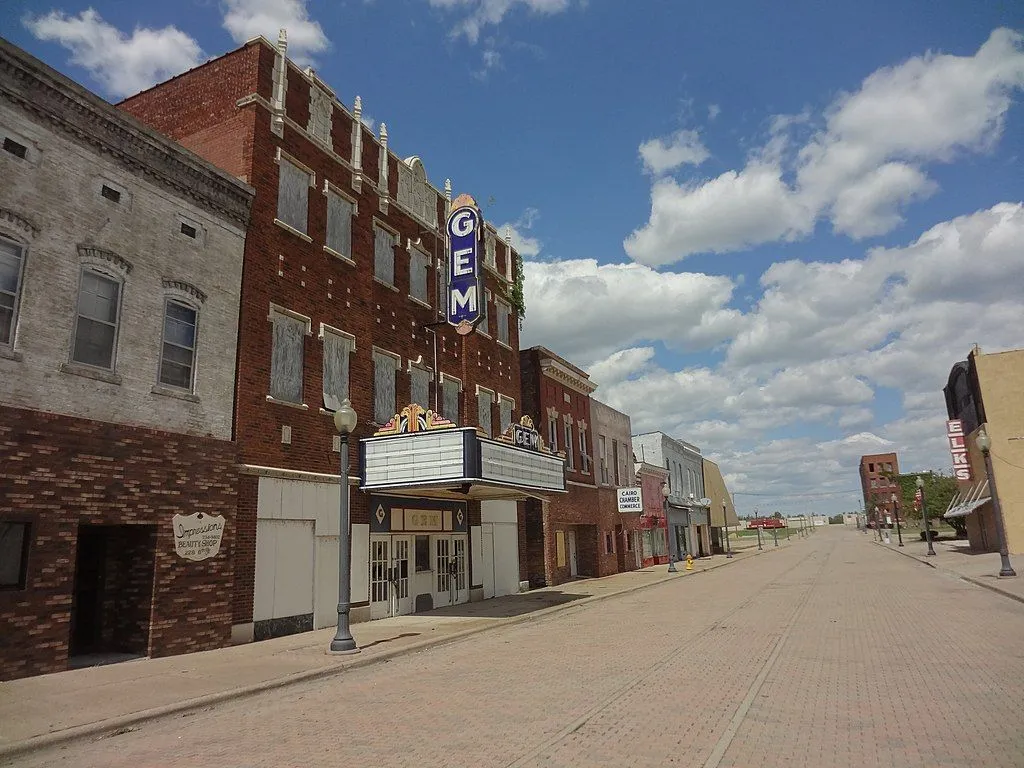 Photo: Cairo, Illinois, via static1.thetravelimages.com
Cairo, Illinois: The City That Was Supposed to Be Everything
Cairo is worth dwelling on because it was supposed to work. The geography was genuinely compelling. Charles Dickens visited in 1842 and wrote about it — unfavorably, as he wrote about most of America, but he wrote about it, which meant it registered as a real place with real stakes.
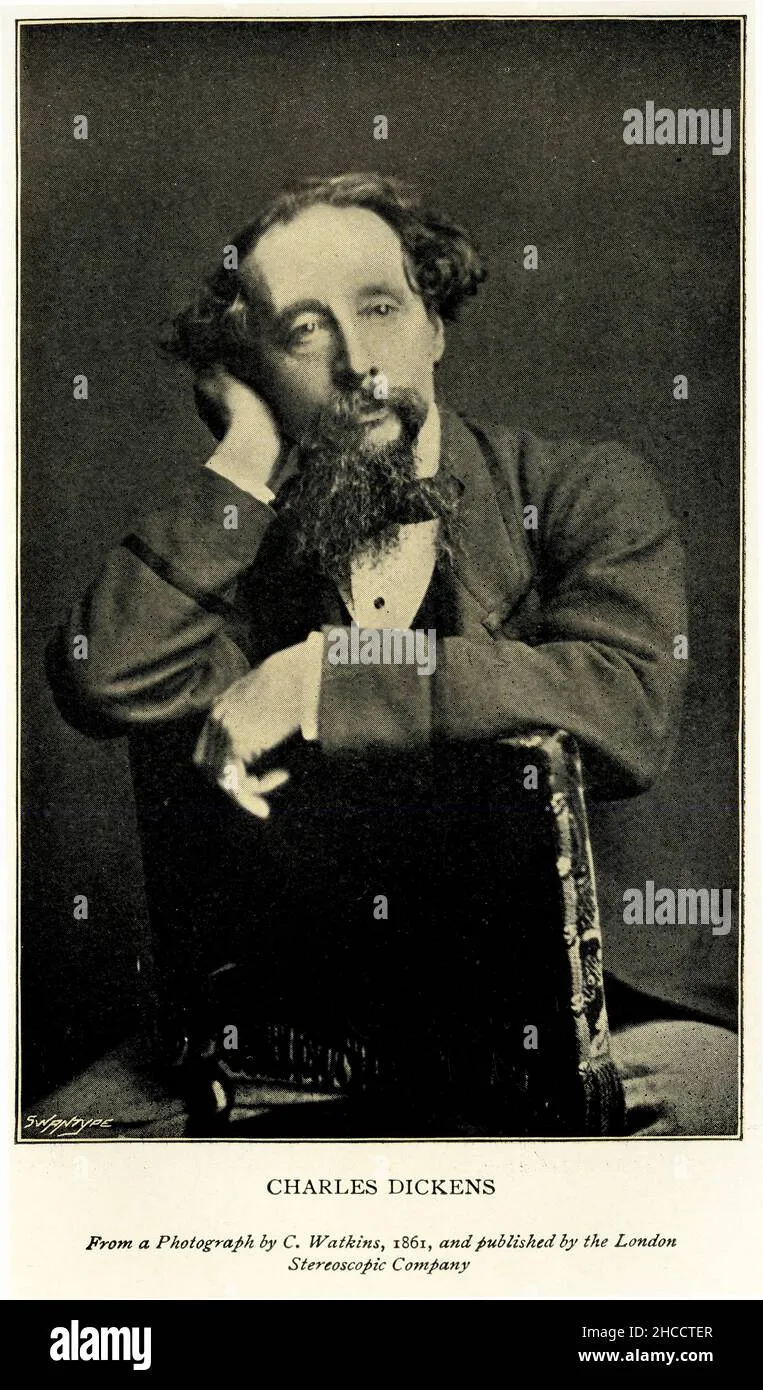 Photo: Charles Dickens, via c8.alamy.com
The Cairo City and Canal Company had been selling lots since the 1830s on the premise that any city controlling the junction of the two great river systems of the interior would inevitably become one of the most important commercial centers on the continent. The argument wasn't crazy. The name — Cairo, evoking ancient wealth and strategic geography — reinforced the pitch.
The city never became what the brochures promised. A combination of flooding, disease, economic mismanagement, and the eventual dominance of rail over river commerce left Cairo perpetually behind its own mythology. By the time you visit today, you're walking through a place that has been failing to become what it was named for nearly two centuries. The grand buildings that went up during brief periods of optimism stand half-empty or in ruin, monuments to the gap between the story and the place.
That gap is the most honest thing about Cairo. And it's more American than the success stories.
The Psychology of the Plat Map
When nineteenth-century land speculators filed plat maps — the legal documents that divided raw land into named streets and numbered lots — they were doing something that looks like urban planning but functioned more like fiction writing. Streets got named after Roman senators. Neighborhoods got labeled with words like "heights" and "park" and "grove" regardless of the actual topography. The map was a narrative device.
People bought lots on those maps without visiting the land. This wasn't unusual. It was standard practice. You'd receive a beautifully lithographed map in the mail, showing a grid of streets, a town square, perhaps a suggested courthouse, and you'd buy a lot on the strength of the image. Then, if you were one of the unlucky ones, you'd arrive to find a cornfield, a mosquito swamp, or in several documented cases, nothing at all — the promoter had decamped with the proceeds.
But here's what's psychologically interesting: even the people who got there and found something real often found something that didn't match the name. And rather than feeling cheated, many of them doubled down. They'd moved to Rome. They were going to build Rome. The name became an obligation, a target, a source of civic ambition that towns with more modest names never quite generated.
This is what makes the naming strategy so durable. Even when it fails, it creates forward momentum. You can't give up on a place called Metropolis. The name won't let you.
What the Names Tell Us About the Namers
Spend some time with a map of the American Midwest and you start to notice the pattern. The classical names cluster in certain periods, corresponding to waves of land speculation and settlement. The biblical names reflect different waves and different promoters. The purely invented names — Kankakee, Waukegan, Oshkosh — are often the ones that survived best, because they didn't promise anything specific.
The towns that named themselves Rome or Athens or Carthage were making a bet that aspiration was more valuable than accuracy. Sometimes they were right. Athens, Ohio, home to Ohio University, has arguably earned its name. Rome, Georgia, with its seven hills and three rivers, has a geographic case to make.
But most of them are just places that got saddled with a name too big to wear comfortably. They've spent a century and a half either trying to grow into it or quietly ignoring it.
The Brochure We All Moved Into
America as a whole was sold on a similar model. The promotional literature that brought settlers across the Atlantic — and later across the Appalachians, and later across the Mississippi — was written in the same register as a Cairo City and Canal Company prospectus. Fertile land. Unlimited opportunity. A future as grand as any civilization that came before.
The people who came were buying the story. Some found what was promised. Many found something harder, stranger, and less legible than the brochure suggested. But almost all of them stayed and tried to build what they'd been sold.
That's the American pattern. Not optimism exactly — optimism is passive. This is something more active and more complicated. It's the willingness to move into a story before the story is true, and then spend a lifetime trying to make it true through sheer insistence.
Metropolis, Illinois built a Superman statue. Cairo, Illinois is still waiting for its river commerce to return. Rome, Illinois has a population of just over a thousand people.
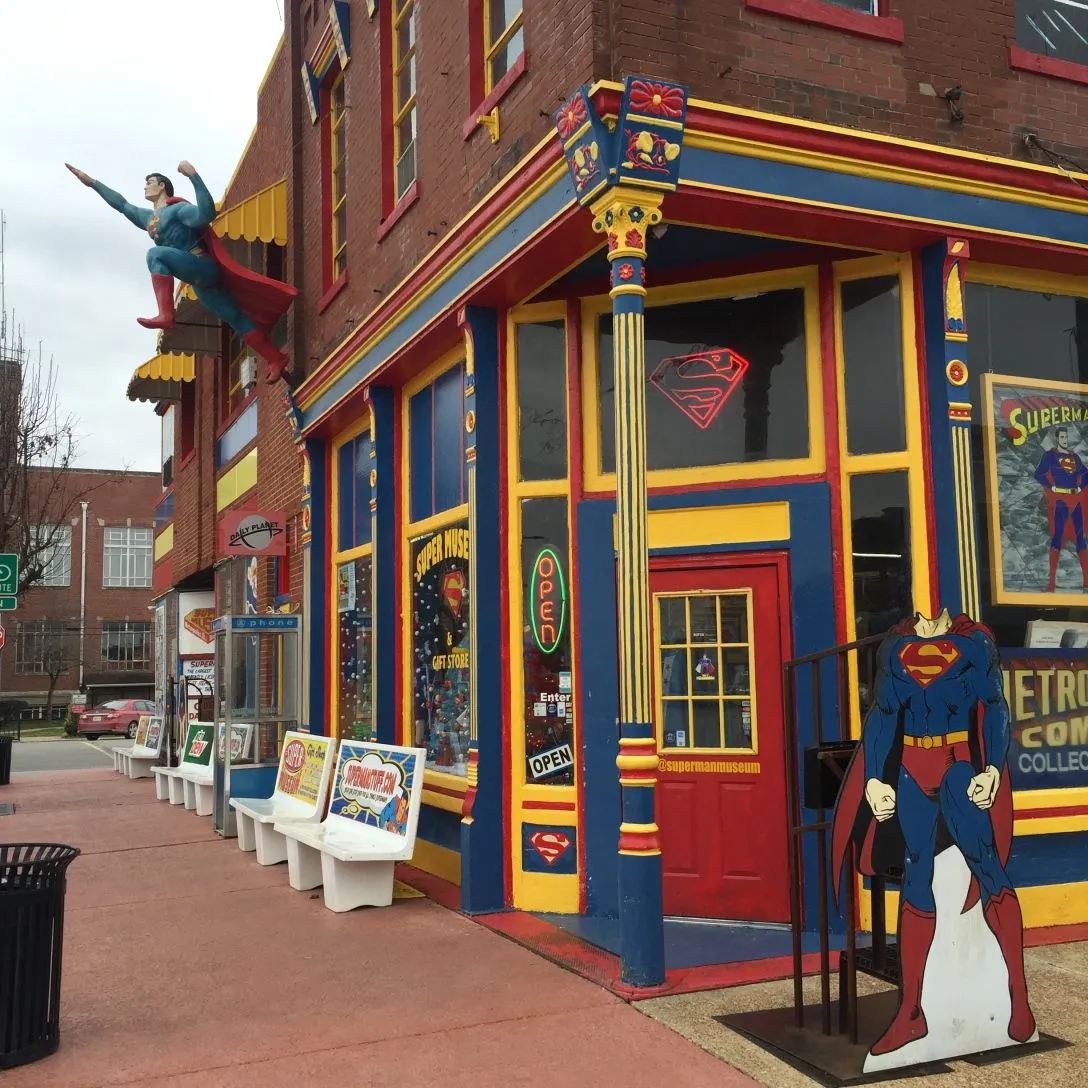 Photo: Metropolis, Illinois, via i.pinimg.com
The names outlasted the promises. And somehow, stubbornly, the towns outlasted both.