Every Secret Stopped Here First: The Tavern Keeper as America's Original Newsfeed
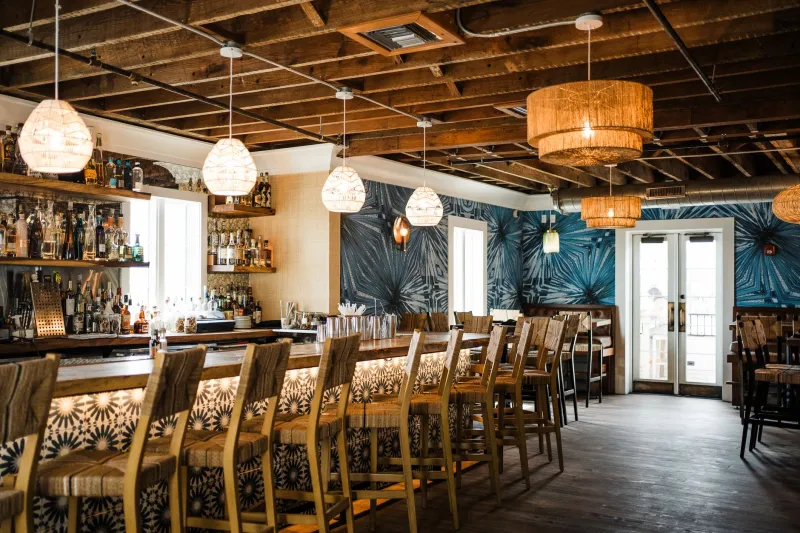
Every Secret Stopped Here First: The Tavern Keeper as America's Original Newsfeed
Pull up to any small-town diner in America today and you'll notice something. Within twenty minutes, you'll know about the road closure three miles north, the family that just sold their farm, and the rough week the county commissioner has been having. You didn't ask. The information just arrived, carried by regulars and delivered across a laminate countertop by someone who's been absorbing local intelligence since six in the morning.
This is not a modern phenomenon. This is one of the oldest information systems in human history, and for the first century and a half of American life, it ran almost entirely through the guest register.
The Most Informed Person in Any Room
Colonial taverns — called ordinaries in much of the South, inns in New England, and taverns everywhere else depending on who was doing the licensing — were legally required in many colonies to exist within a certain distance of courthouses and ferry crossings. The logic was practical: travelers needed somewhere to sleep, eat, and stable their horses. But the unintended consequence was that the innkeeper ended up positioned at every major chokepoint in the movement of people and, therefore, the movement of information.
A traveler arriving from Philadelphia in 1743 didn't just bring luggage. He brought news. Prices at the Philadelphia market. Who'd gone bankrupt. Which merchant was extending credit and which had stopped. Whether the road through Lancaster was passable after the rains. The innkeeper heard all of it — sometimes directly, sometimes because travelers talked freely over supper in a common room where everyone could hear everything.
By the time the next traveler left heading north, the innkeeper had already synthesized, fact-checked against prior reports, and redistributed that information. No algorithm required. Just a good memory and the social intelligence to know which parts of a story were probably exaggerated.
Debt, Reputation, and the Informal Credit Bureau
Here's where it gets genuinely interesting from a psychological standpoint. One of the most valuable things an innkeeper tracked wasn't news — it was character.
In a world without credit scores, background checks, or instant communication, reputation traveled slowly and unreliably. But it did travel, and much of it moved through tavern keepers. A man who skipped out on his bill in Annapolis would find, if he tried the same trick in Fredericksburg, that the innkeeper there had somehow already heard about him. Not always. Not reliably. But often enough that travelers with bad reputations learned to be careful about which roads they took.
Inkeepers shared this information with each other through the same mechanism they gathered it: travelers. A northbound merchant who'd had trouble with a particular customer would mention it at the next stop, where the innkeeper would file it away and pass it along to the next southbound guest who might encounter the same man. It was a distributed, asynchronous, human-powered reputation database.
Researchers studying trust and cooperation in small communities have documented this pattern repeatedly in modern contexts — the way reputation information flows through informal networks faster and more reliably than through official channels. Colonial Americans didn't study behavioral economics. They just built the system that the research would later explain.
The Tavern as Political Infrastructure
It's not a coincidence that the American Revolution was substantially planned in taverns. The Green Dragon in Boston. Raleigh Tavern in Williamsburg. City Tavern in Philadelphia. These weren't just convenient meeting spots. They were the places where information from across the colonies had been accumulating for decades, where a politically engaged innkeeper had been quietly noting who agreed with whom, who was wavering, and which travelers from which regions were saying what about Parliament.
 Photo: City Tavern, via static.wixstatic.com
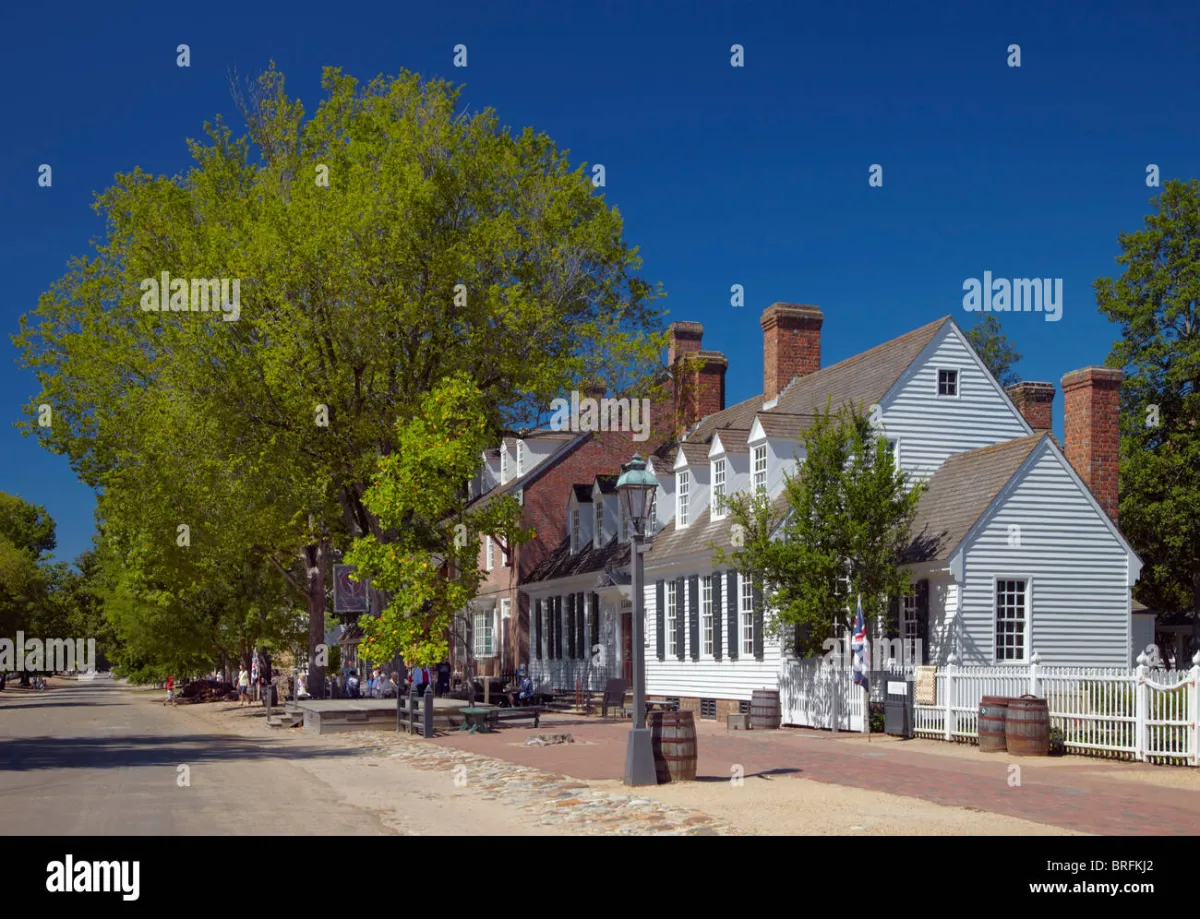 Photo: Raleigh Tavern, via c8.alamy.com
 Photo: Green Dragon, via clipart-library.com
Samuel Adams understood this intuitively. So did Patrick Henry. The tavern keeper wasn't just a host — he was a resource. A man who had been listening carefully to travelers from a dozen colonies for twenty years knew things about colonial opinion that no pamphlet could capture.
This is the part that tends to get written out of the official history, because it's messy and informal and doesn't fit neatly into a narrative about great men making great speeches. But the intelligence infrastructure that made coordinated colonial resistance possible was built on top of the hospitality industry. The Sons of Liberty didn't invent the network. They just figured out how to use one that already existed.
What Replaced It (and What Didn't)
The telegraph, arriving in the 1840s, is usually credited with transforming American information networks. And it did — for official, commercial, and political communication. But the telegraph required infrastructure, operators, and money. It didn't replace the informal, personal, reputation-laden information that had been flowing through tavern common rooms for two centuries.
Neither did the newspaper, which was still largely a local product well into the late 1800s and which couldn't tell you whether the man sitting across the stage coach from you was trustworthy.
What actually replaced the tavern keeper's intelligence function was a combination of things that arrived slowly and never quite finished the job: the national credit reporting industry (which began in the 1840s with the Mercantile Agency, the ancestor of Dun & Bradstreet), the telegraph, the rural free delivery of mail, and eventually the telephone. Each of these formalized and digitized a piece of what the innkeeper had been doing by hand.
But here's what none of them replaced: the willingness of a traveler, far from home and slightly off-guard, to tell a sympathetic stranger things they wouldn't say in their own town.
You're Still Doing It
There's a reason people confide in bartenders. A reason why strangers on long flights tell each other things they haven't told their spouses. A reason why the Airbnb host who leaves a welcome note gets a longer, more honest review than the one who uses a lockbox.
Physical distance from home reduces social inhibition. A sympathetic, attentive listener with no obvious stake in your local reputation is genuinely rare. The combination produces disclosure — and disclosure produces information flow.
The colonial tavern keeper understood this the same way a good bartender understands it today: you don't extract information. You create the conditions under which people volunteer it freely.
Next time you're traveling and you find yourself telling the person behind the front desk more than you planned to, you're not doing something strange. You're participating in a system that's been running for as long as people have been sleeping somewhere other than home. The guest register just used to be the only record that mattered.