New Name, Same Problems: The Long American Tradition of Rebranding Your Way Out of Trouble
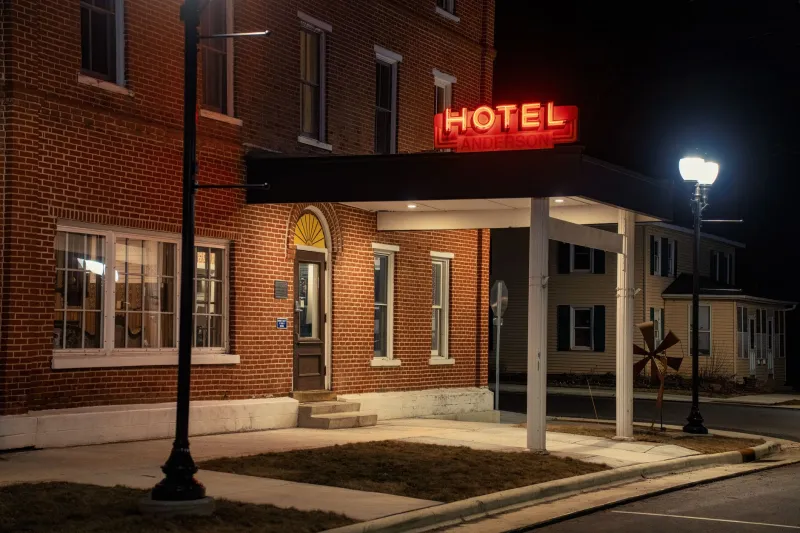
Somewhere in the recorded history of American municipal desperation, there is a meeting. It takes place in a town hall, or a diner, or a volunteer fire department with folding chairs. The community has a problem — a closed factory, a contaminated water supply, a name that became a punchline after something went wrong — and someone at the meeting says the thing that everyone else was already thinking:
What if we just changed the name?
The room considers this. It costs relatively little. It signals action without requiring any. It offers the psychological satisfaction of a clean break. The vote passes.
This is one of the oldest reputation management moves in existence, and American towns have been running it for centuries. The results are instructive.
Nomenclature as Escape Hatch
The impulse to rename isn't irrational on its face. Names carry associations. Bad associations cost money — in tourism, in real estate values, in the willingness of businesses to relocate there. If you can sever the association, you might be able to recover the economics.
The problem is that names don't carry the association. The event does. And the event is still there, documented, remembered, and findable by anyone with a search engine or a library card.
But let's go back further, because this isn't a modern pathology. American towns have been renaming themselves since the colonial era, and the motivations have always been a mix of the practical and the psychologically wishful.
The Railroad Names Nobody Wanted to Keep
In the mid-to-late 1800s, American towns were named by whoever got there first and had the loudest voice — which frequently meant railroad surveyors working fast, land speculators working faster, and local boosters whose enthusiasm exceeded their creativity. The result was a map littered with names that reflected temporary circumstances: the name of a railroad official, the nearest geographic feature, or occasionally something that made sense in 1867 and became a liability by 1890.
Central City, Colorado is a useful case. Founded during the 1859 gold rush, it was briefly one of the most important mining towns in the territory — genuinely central to everything happening in the region. When the gold played out and the population collapsed, the name stopped describing anything real. The town tried various economic pivots, and the name followed the pivots, carrying the weight of a boom-era identity into a bust-era reality.
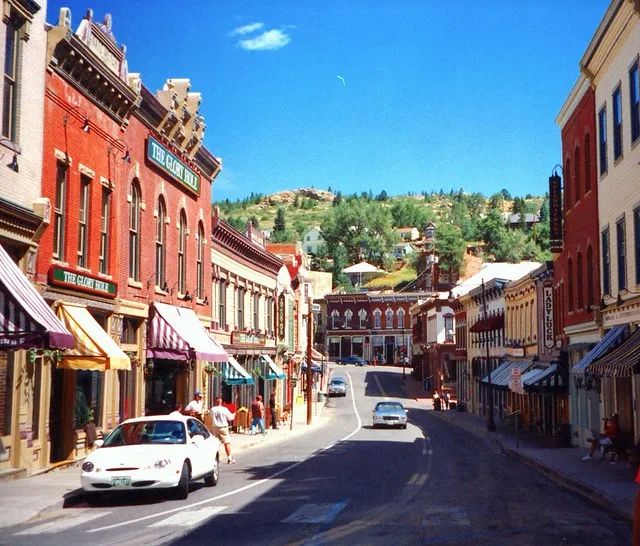 Photo: Central City, Colorado, via live.staticflickr.com
Across the West, you can trace the same pattern: towns named for resources that ran out, renamed for industries that came and went, sometimes renamed again for tourism appeals that never quite materialized. Each renaming represents a community's sincere belief that the problem was the word, not the underlying condition the word described.
When the Disaster Becomes the Name
The harder cases are the towns that became associated with specific catastrophes. These are the communities where the impulse to rename is most understandable and where the failure rate is most instructive.
Picher, Oklahoma — once the zinc and lead mining capital of America — became a Superfund site, its soil so contaminated that the federal government eventually paid residents to leave. The town didn't rename itself; it dissolved. But nearby communities that shared the same mining history and some of the same contamination problems quietly updated their promotional materials, adjusted their self-descriptions, and hoped the geographic association would fade.
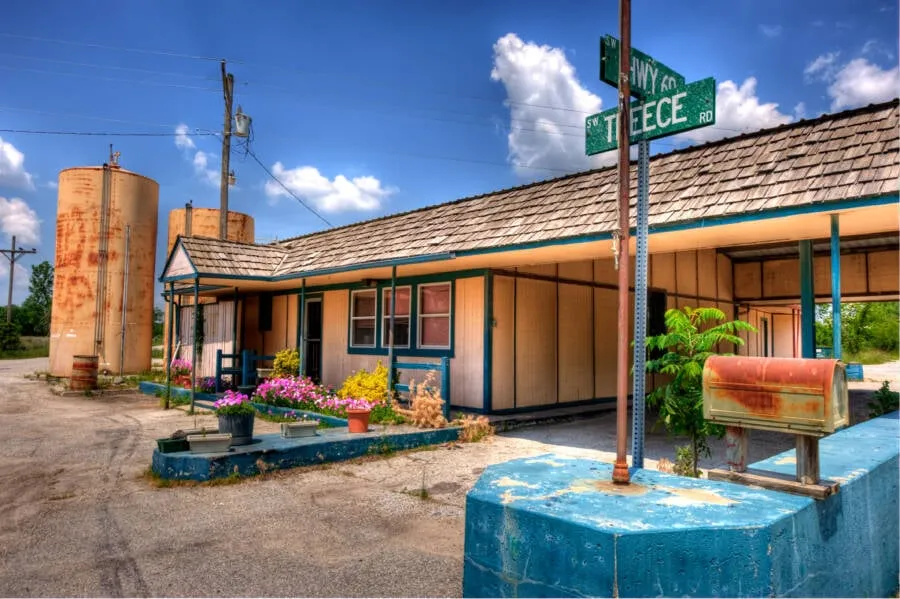 Photo: Picher, Oklahoma, via allthatsinteresting.com
It didn't. Because the people who needed to know — environmental regulators, real estate appraisers, insurance underwriters — weren't relying on the town's self-description. They were relying on records that predate any rebranding effort.
This is the central irony of the municipal name change: the audiences you most need to convince are exactly the audiences least likely to be influenced by it. Tourists might not know the history. Developers always do.
The Psychology of the Clean Slate
So why does this keep happening? Because the psychology of the fresh start is genuinely powerful, and it works — just not in the way the people executing it usually think.
Research on human decision-making consistently shows that people weight recent information more heavily than older information, even when the older information is more relevant. A town with a new name triggers a mild version of this effect in casual observers. For residents, the effect is stronger: the name change functions as a collective ritual of closure, a community-wide agreement to stop being defined by the thing that happened.
That's not nothing. Communities that have experienced industrial disaster, economic collapse, or sustained bad press need some mechanism for moving forward psychologically, and a name change provides a date — a before and after. The renaming of Butte des Morts, Wisconsin (a French name meaning "mound of the dead," referring to a Native American burial site) to something more marketable didn't change the history, but it changed what residents had to explain to every visitor who drove past the welcome sign.
The clean-slate feeling is real. The clean slate itself is not.
The Ones That Worked (Sort Of)
Fairness requires noting that some American municipal renamings have been followed by genuine recoveries. Hot Springs, South Dakota — previously known by a name that emphasized its frontier roughness — leaned into its new identity as a health destination and built a tourism economy around it. Whether the name change caused the recovery or simply coincided with a broader strategic shift is the question historians argue about.
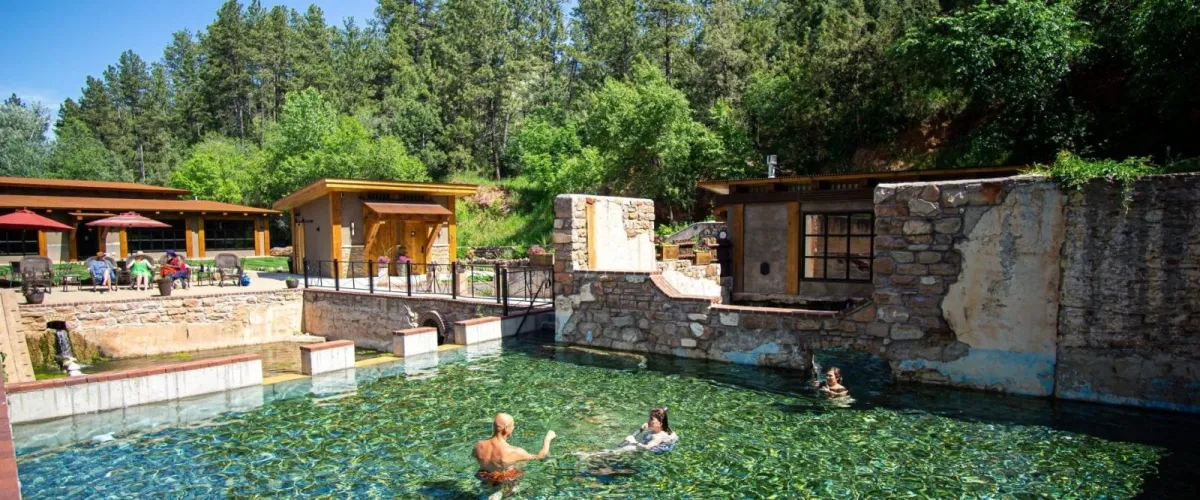 Photo: Hot Springs, South Dakota, via www.tophotsprings.com
The more honest answer is probably that the name change was part of a package of changes, and crediting it specifically is like crediting a new coat of paint for a house that also got a new foundation, new plumbing, and a better school district. The paint is visible. The other stuff did the work.
The towns that recovered after renaming themselves almost always did something else: they changed the underlying economic reality, attracted new investment, developed a genuine new identity that the name reflected rather than invented. The name wasn't the strategy. It was the announcement that a strategy had succeeded.
What You're Really Visiting
When you drive through a small American town today and notice that its name doesn't quite match its history — that the cheerful, forward-looking name on the welcome sign sits awkwardly against the closed storefronts and the faded murals celebrating an industry that left forty years ago — you're looking at the gap between what a community wished it could become and what it actually is.
That gap is not a failure of imagination. It's a very human response to very real pain. The belief that you can rename your way to a new identity is the same belief that makes people move to new cities after bad breakups, change careers after failures, and start fresh after any of the hundred varieties of things going wrong.
Sometimes the move is enough. Usually, you carry the thing with you.
The towns that renamed themselves and thought that would fix everything were wrong about the mechanism and right about the need. They needed something to change. They changed the easiest thing. The past, characteristically, didn't notice.