Sign Here, Stranger: The Five-Thousand-Year Paper Trail Behind Every Hotel Check-In
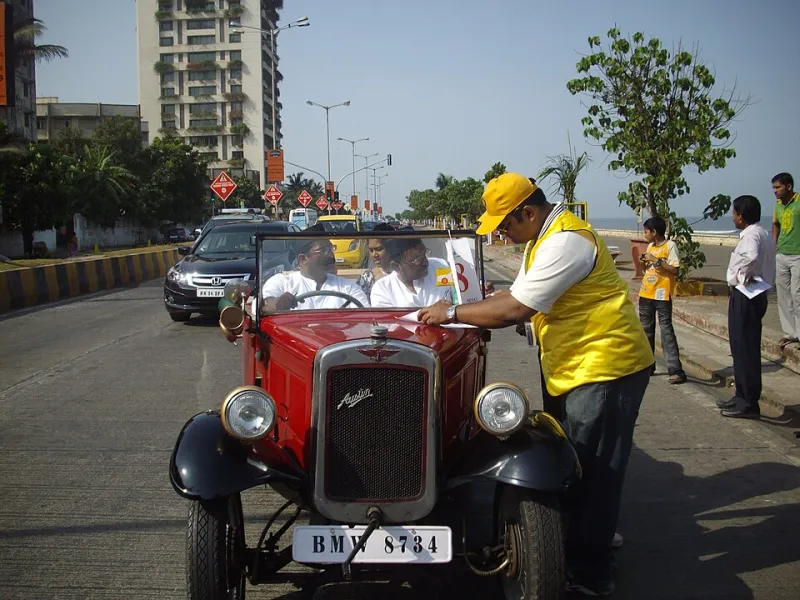
Photo: Rudolph.A.furtado, Public domain, via Wikimedia Commons
You've done it a thousand times. You walk up to a front desk, slide your driver's license across a marble counter, tap a screen with your finger, maybe hand over a credit card as collateral against your own good behavior. Thirty seconds later you have a key card and directions to the elevator. Routine. Frictionless. Forgettable.
Except it isn't any of those things. What you just did is one of the oldest negotiations in human civilization, and the fact that it feels routine is precisely the point.
The Roman Road You're Still Walking
In the first and second centuries AD, the Roman cursus publicus — the imperial postal and travel system — required anyone using state-sanctioned waystation lodging to produce a diploma, a physical document authorizing their travel. No diploma, no bed. No bed meant sleeping outside in country that was frequently hostile.
The diploma wasn't really about logistics. Rome had plenty of beds. What Rome needed was a legible population — people whose movements could be tracked, cross-referenced, and if necessary, interrupted. The diploma told the road prefect who you were, where you came from, who sent you, and where you were supposed to end up. It was an identity document, a travel permit, and a surveillance instrument wrapped in one wax tablet.
The psychology behind it is straightforward: mobile people are ungovernable people. A traveler without a record is a traveler without accountability. Every state in human history has understood this, which is why every state in human history has found some mechanism to make travelers legible — to translate the anonymous body moving through space into a name on a list.
You are still on that list. The list just runs on a cloud server now.
Colonial Inns and the First Front Desk
By the time American colonists were running taverns and inns along the post roads of the Eastern Seaboard, the tradition of recording travelers had evolved considerably. Colonial inn registers weren't just courtesy — in many jurisdictions they were legally mandated. Innkeepers were functionally deputized agents of local authority, required to report suspicious travelers, runaway servants, or anyone whose story didn't add up.
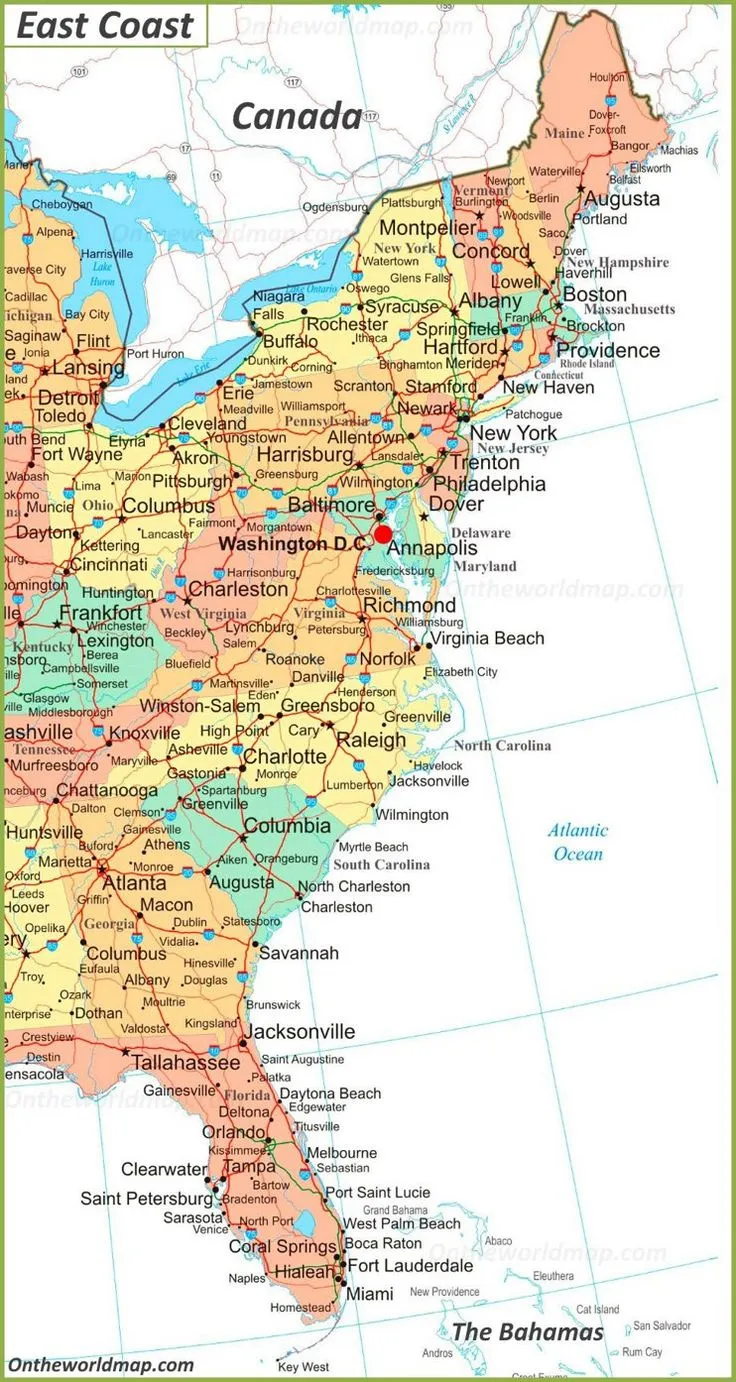 Photo: Eastern Seaboard, via map.printable.us.com
Think about what that means. The person handing you a room key was also, at least in part, working for whoever governed the territory you were passing through. The hospitality was real — colonists genuinely needed places to sleep and eat — but it was layered on top of a surveillance function that most guests probably didn't think much about.
Human psychology being what it is, most people then as now extended trust to anyone who offered them comfort. You hand someone a warm meal, you've established a relationship. You've made it feel rude to ask hard questions. The inn register felt like a guestbook. It functioned like a census.
This pattern — wrapping state interest in the language of hospitality — is one of the most durable tricks in the administrative playbook. We keep falling for it because being welcomed somewhere feels good, and questioning the terms of that welcome feels ungrateful.
The Innkeeper's Heir: How Hotels Became Government Proxies
By the nineteenth century, American hotels had grown into something genuinely grand — marble lobbies, gas lighting, dining rooms that seated hundreds. But the register at the front desk remained. Guests signed in, often in elaborate copperplate, their names preserved in leather-bound volumes that told any interested party exactly who had been where on which night.
Those registers were consulted. Regularly. By law enforcement, by private detectives, by jealous spouses, by political operatives looking to place a rival in a compromising location. The hotel register was the social media profile of its era — a voluntary disclosure that guests made without fully thinking through who might read it later.
The twentieth century added layers. National security concerns during both World Wars pushed federal requirements for hotel registration. The Cold War formalized what had been informal. By the time the modern hospitality industry emerged in the 1950s and 60s, the check-in process had absorbed so many layers of legal, insurance, and security requirements that it felt natural, inevitable, almost architectural.
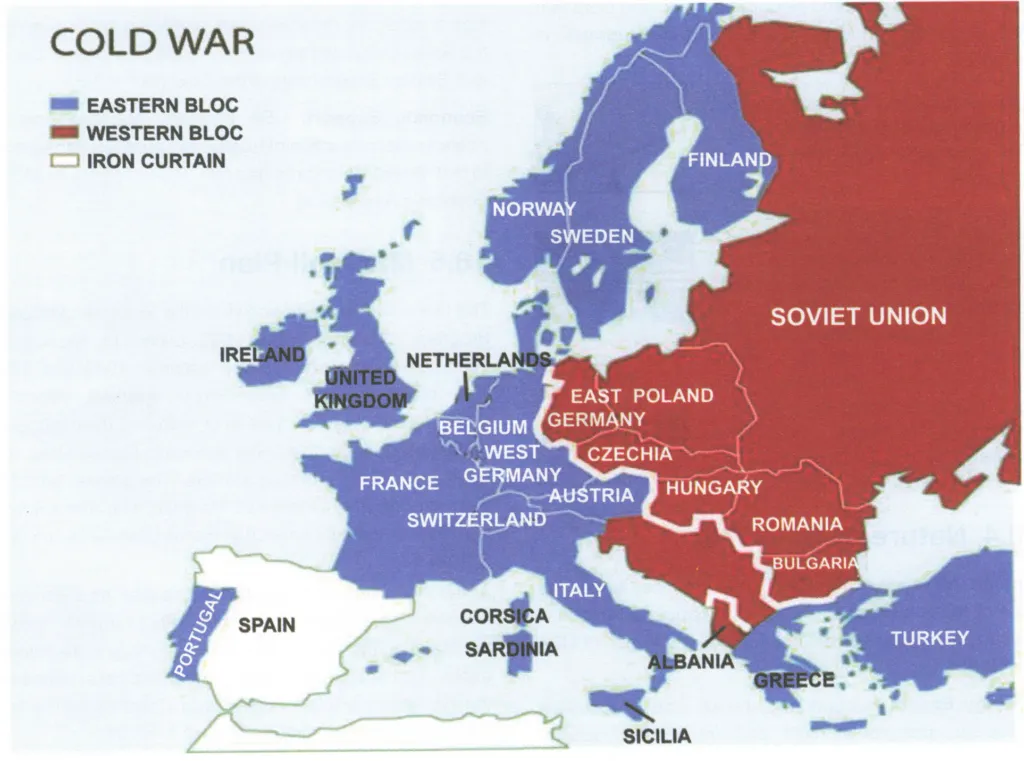 Photo: Cold War, via lotusarise.com
Which is how the best surveillance always feels.
What You're Actually Signing Today
Stand at any hotel front desk in America right now and notice what's actually happening. You're providing government-issued identification — which gets photographed and stored. You're providing a payment method — which creates a timestamped financial record. You're agreeing to terms of service that you almost certainly haven't read — which in most cases include consent to location tracking, data sharing with third-party partners, and in some instances cooperation with law enforcement requests.
The hotel app on your phone, the one that lets you skip the front desk entirely, knows more about your movements than the Roman road prefect could have dreamed of. It knows when you arrived, when you left your room, how long you spent in the lobby, whether you visited the gym. Some systems track in-room behavior through smart device integration.
None of this is secret. It's in the terms. The terms are just long and the font is small and you're tired from the flight.
This isn't an argument for paranoia. It's an argument for paying attention. The Roman traveler who understood what the diploma meant was in a better position than the one who thought it was just paperwork. The colonial inn guest who understood the innkeeper's dual role could make informed choices about what to say and what to keep quiet.
The Human Constant
Here's what the history of travel registration actually tells us about human psychology: we will accept almost any surveillance if it's delivered with a smile and a warm room. We conflate comfort with safety and safety with trust, and institutions — from Roman prefects to modern hotel chains — have always known this and always acted accordingly.
The check-in ritual has survived every technological revolution not because it's the most efficient way to assign rooms, but because it serves a purpose that has nothing to do with efficiency. It establishes the terms of your presence. It makes you legible. It reminds you, gently, that you are a guest in someone else's system.
Next time you slide your ID across a counter, take a second. You're not just checking in. You're signing a document with a five-thousand-year history, written by people who needed to know exactly where you were and exactly who you were when you got there.
The hospitality is real. So is everything underneath it.