Pocket Change Politics: How America's Most Awkward Transaction Reveals Who Really Rules the Room
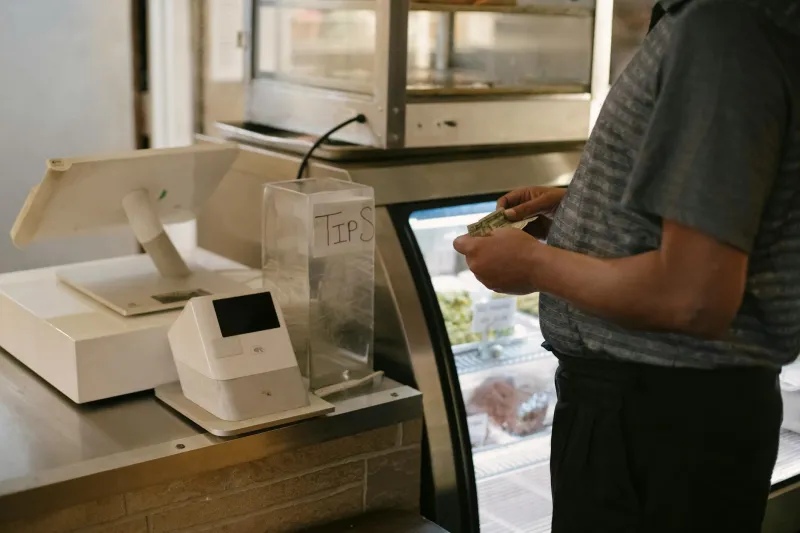
The Bribe That Became Culture
Walk into any American restaurant and you'll witness a transaction older than the Constitution itself. Before your server brings the check, you're already calculating percentages, weighing service quality against social obligation, participating in a ritual that began when European aristocrats literally paid servants to cut in line.
The psychology hasn't changed in five hundred years. We still use money to negotiate power, status, and the desperate human need to feel generous without actually being generous. The only difference is that what once happened in palace corridors now plays out over chicken wings and bottomless coffee.
When Paying Extra Was Actually Illegal
Between 1909 and 1918, six American states made tipping a misdemeanor. Not receiving tips — giving them. Arkansas, Iowa, South Carolina, Tennessee, Washington, and Georgia all decided that voluntary payments created an undemocratic hierarchy that contradicted American values of equality.
They were right, of course. But they were also fighting human nature with legislation, which works about as well as you'd expect. The restaurant industry, already dependent on underpaying workers and shifting costs to customers, lobbied hard against these laws. By 1926, every anti-tipping statute had been repealed.
Visit Little Rock today and you can still find the Arkansas State Capitol where legislators debated whether allowing tips would turn America into a nation of beggars and bribers. They lost that argument, but their concerns proved prophetic. We did become a nation where workers depend on customer charity, and customers resent being forced to subsidize employer cheapness.
 Photo: Arkansas State Capitol, via art.pixilart.com
The Performance of Generosity
Human psychology research tells us that people tip more when they feel watched, when the weather is nice, and when they're trying to impress someone. But you don't need laboratory studies to understand tipping behavior — just watch the historical record.
During the Gilded Age, newly wealthy Americans adopted European tipping customs as a way to perform aristocratic sophistication. Tipping wasn't about rewarding service; it was about demonstrating that you had money to throw around and understood how refined people behaved.
This performance anxiety persists today. Travel to any tourist destination and observe American visitors calculating tips with the intensity of tax attorneys. We're not just paying for service — we're paying to avoid being seen as cheap, ignorant, or un-American.
The Geography of Guilt
Tipping culture varies wildly across America, creating a patchwork of expectations that would confuse a 19th-century robber baron. In New York, bartenders expect a dollar per drink minimum. In rural Montana, the same tip might seem insulting. Las Vegas dealers anticipate tips for dealing cards. Seattle baristas post passive-aggressive signs about tip jars.
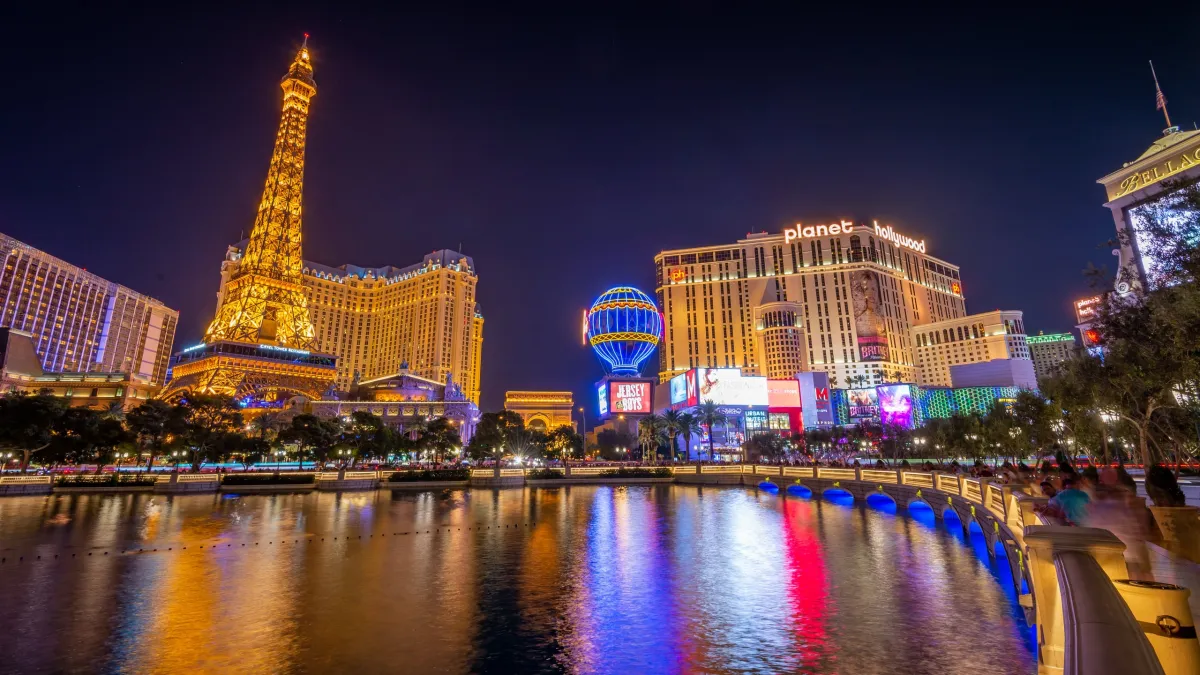 Photo: Las Vegas, via a.travel-assets.com
Each regional variation reflects local power dynamics and economic realities. High-cost cities normalize larger tips because workers need them to survive inflated housing costs. Tourist destinations extract higher gratuities from visitors who don't know local customs and fear social embarrassment.
Travel Interstate 40 from North Carolina to California and you'll experience a cross-country tutorial in how the same transaction — buying a meal — encodes different assumptions about class, fairness, and social obligation in different places.
What We're Really Buying
Modern tipping bears little resemblance to its origins as aristocratic queue-jumping, but it serves the same psychological function. We're purchasing the illusion of control over service quality and the feeling of benevolence without the commitment of actual charity.
Restaurant owners love tipping culture because it transfers labor costs to customers while maintaining the fiction of low menu prices. Customers tolerate it because it makes them feel powerful and generous. Workers endure it because they often earn more from tips than they would from higher base wages.
Everyone involved knows the system is bizarre and unfair. But it persists because it satisfies deeper psychological needs that have nothing to do with efficient service delivery.
The Uncomfortable Truth About American Generosity
Tipping culture reveals something uncomfortable about American character: we prefer systems that let us feel generous while avoiding genuine generosity. We'd rather calculate percentages on restaurant bills than support policies ensuring living wages. We want the emotional satisfaction of helping without the inconvenience of systematic change.
This isn't a moral failing — it's human nature. The same psychology that made European nobles pay servants to skip lines makes modern Americans tip delivery drivers while opposing minimum wage increases. We want to help individuals we can see while ignoring the systems that create their need for help.
Travel anywhere in America and you'll encounter this contradiction dozens of times per day. Every tip jar, service charge, and gratuity line on a receipt represents our collective decision to privatize generosity rather than institutionalize fairness.
Following the Money Trail
The next time you're calculating a tip, remember that you're participating in a centuries-old negotiation about power, class, and the price of human dignity. The discomfort you feel isn't about arithmetic — it's about being forced to confront the gap between American ideals and American realities.
Tipping endures because it serves everyone's psychological needs while solving no one's actual problems. Workers remain financially precarious, customers resent forced generosity, and owners avoid paying living wages. But everyone gets to feel like they're participating in a system based on merit and choice rather than acknowledging the economic coercion that makes the whole performance necessary.
That's the real tip: understanding that our most uncomfortable transactions often reveal our deepest truths about power, fairness, and the stories we tell ourselves about both.