Speed Trap, Federal Plate: The Day Local Cops Pulled Over the Most Powerful Men in America
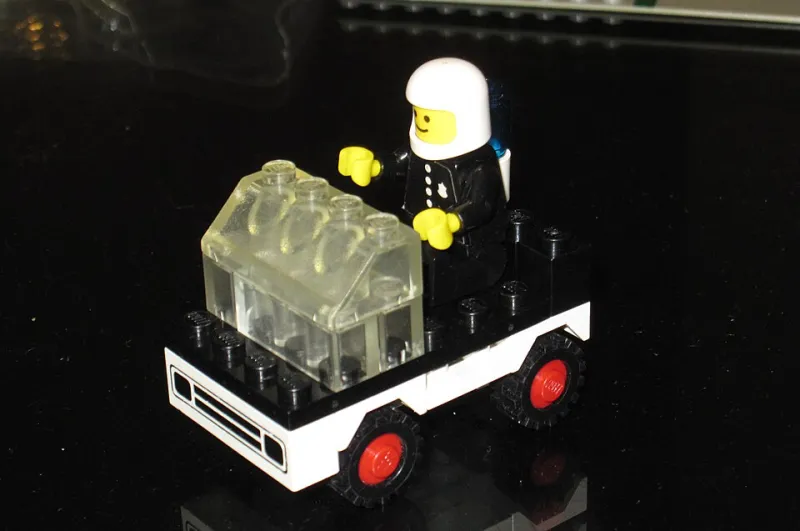
Photo: InSapphoWeTrust from Los Angeles, California, USA, CC BY-SA 2.0, via Wikimedia Commons
There's a particular kind of quiet confidence that comes from a small-town cop who has decided, entirely on his own authority, that the law applies to everyone. No exceptions. No courtesy call to Washington. Just a citation book and a steady hand.
It happened more than once in American history. And the places where it happened are still there — some thriving, some half-empty, all of them carrying a story that the federal government would rather you forgot.
The Ulysses Grant Incident Nobody Teaches
In 1872, President Ulysses S. Grant was stopped in Washington, D.C. — technically a federal district, but policed by officers who apparently hadn't received the memo about presidential immunity — for racing his horse and buggy down M Street. Officer William West, a Black police officer and Civil War veteran, flagged him down and issued a fine.
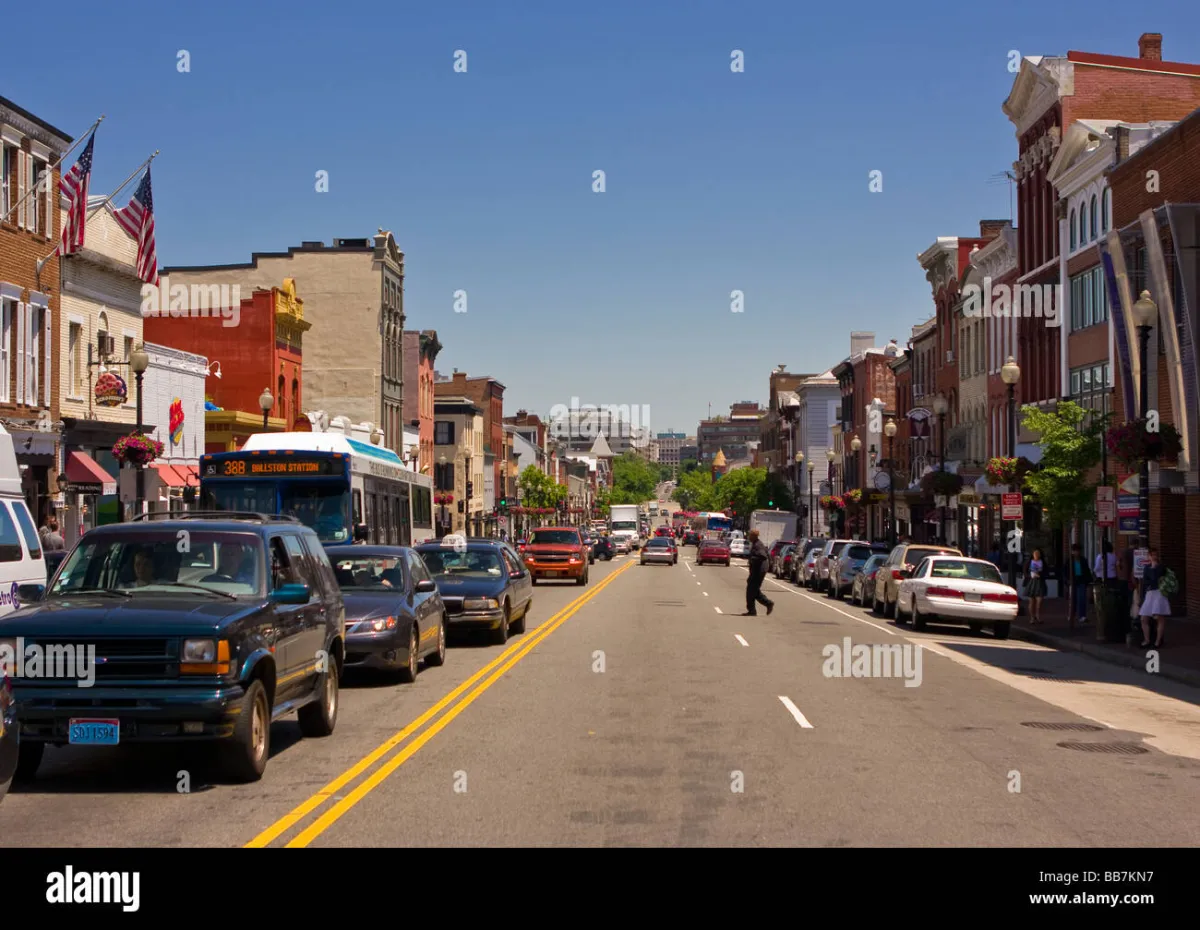 Photo: M Street, via c8.alamy.com
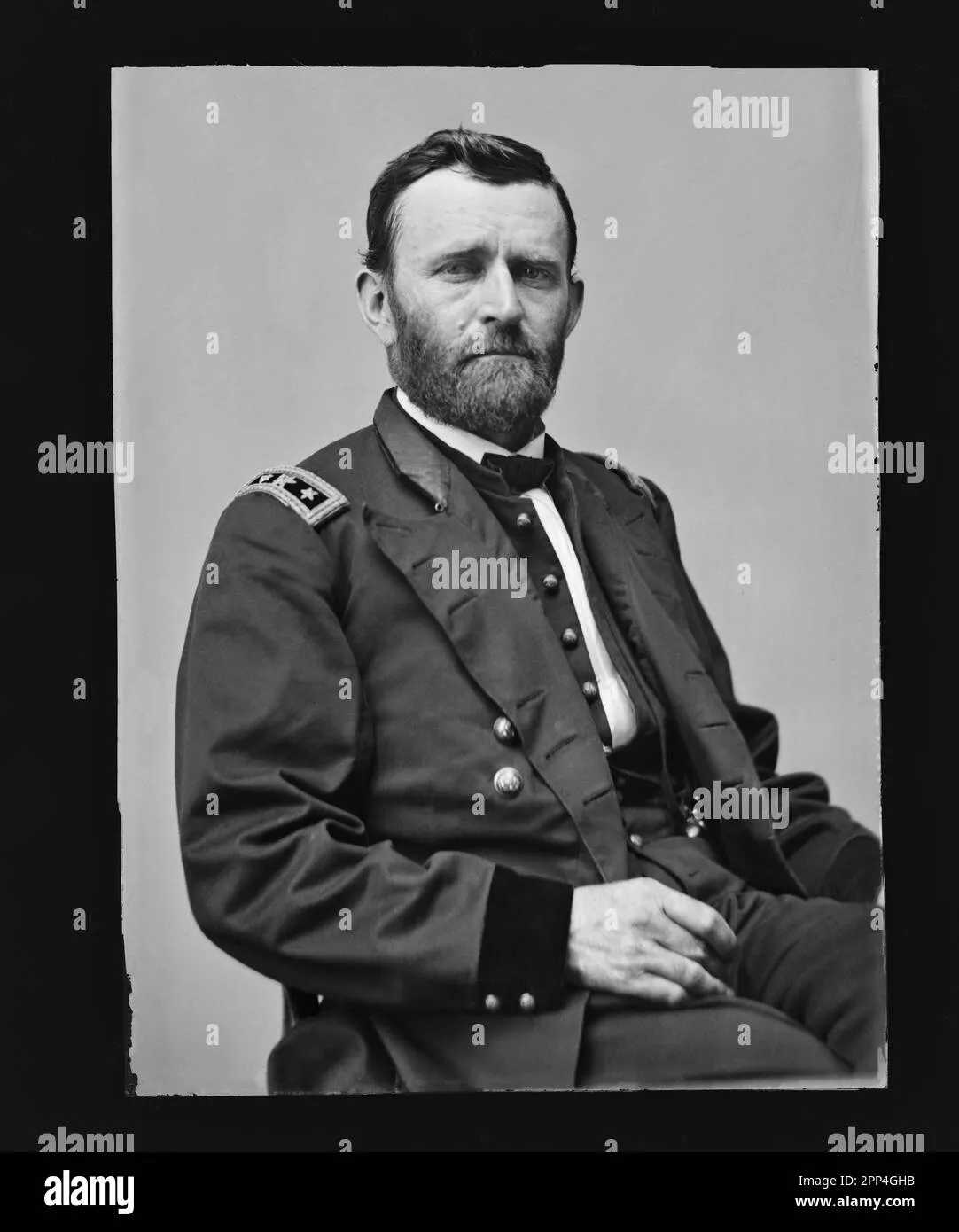 Photo: Ulysses S. Grant, via c8.alamy.com
Grant paid it.
That detail matters. He didn't summon a lawyer. He didn't invoke executive privilege. He didn't have an aide make a phone call. He handed over the money, reportedly expressed something close to admiration for the officer's nerve, and walked the rest of the way home.
You can still walk M Street today, past the bars and the boutiques and the brunch crowds, and try to locate the psychology of that moment. A man who commanded armies, who had accepted Robert E. Lee's surrender, who held the most powerful office in the country — stopped cold by one officer doing his job. The intersection hasn't changed as much as you'd think. The human dynamic hasn't changed at all.
What Small Towns Actually Believed About Power
Here's the thing that gets lost in the modern conversation about federal versus local authority: for most of American history, ordinary people in ordinary places genuinely believed that local jurisdiction was the real jurisdiction. Washington was distant and theoretical. The county sheriff was the person you actually dealt with.
That belief produced some remarkable confrontations.
In the early 20th century, multiple small towns across the rural South and Midwest posted speed limits on their main roads and enforced them against federal motorcades without apparent hesitation. The records are scattered — local newspaper archives, county court documents, the occasional memoir — but the pattern is consistent. A federal vehicle moves too fast through town. A local officer waves it down. A negotiation occurs. Sometimes a fine is paid. Sometimes a formal rebuke is issued and then quietly filed away.
The psychology driving those officers wasn't recklessness. It was something older and more interesting: a sincere conviction that the law derived its legitimacy from consistent application. An exemption for powerful people wasn't just unfair. It was, in a technical sense, a different law. And a different law meant no law at all.
The Jurisdiction Problem Is Ancient
This tension — who actually has authority here, right now, in this specific place — is not an American invention. It's a human constant.
Roman provincial governors clashed with local magistrates over exactly this question. Medieval European towns negotiated charter rights specifically to establish where imperial authority ended and local authority began. The threshold of a town gate was, in many legal traditions, a genuine boundary with genuine consequences for who could arrest whom.
The American version has a particular flavor because American mythology is so invested in the idea of local self-determination. But the underlying psychology is the same one that made a Roman town post its own rules at the city limits and mean it.
When you visit the small towns where these confrontations occurred — and many of them are accessible, if you know what you're looking for — what you're really visiting is a recurring human argument about whether authority is a function of rank or a function of location.
Where to Go Looking
Washington's M Street remains the most documented site of the Grant stop, and the neighborhood is walkable and historically layered enough to reward an afternoon. The block where Officer West made his stand is unremarkable now, which is somehow the point. Ordinary places are where ordinary enforcement happens.
For the broader pattern, small county seats across the Midwest — particularly in Kansas, Missouri, and southern Illinois — have local historical societies sitting on exactly this kind of material. The Eisenhower Presidential Library in Abilene, Kansas, has documentation of early 20th-century federal-local friction that goes well beyond what makes the standard exhibit panels.
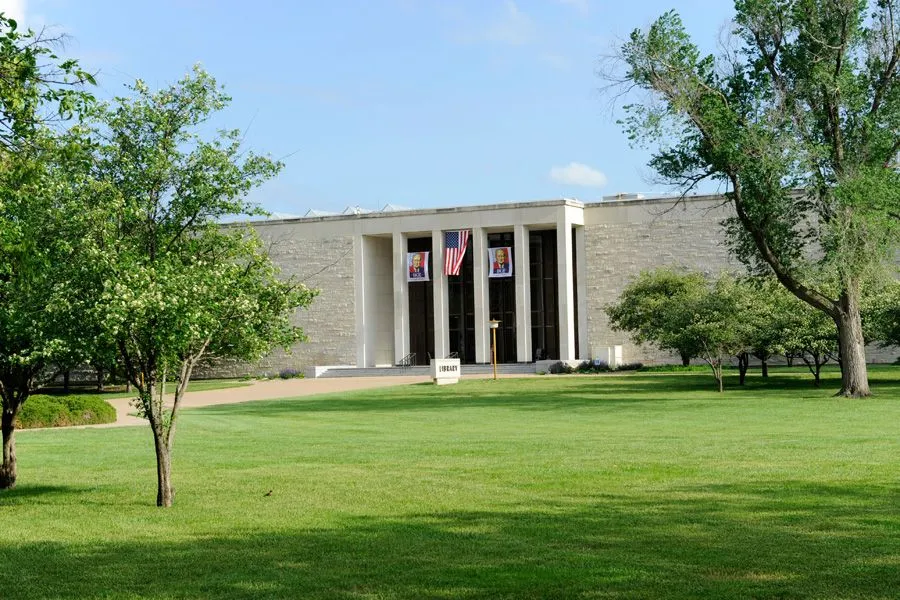 Photo: Eisenhower Presidential Library, via media.architecturaldigest.com
The physical experience of visiting these places matters. Standing in a small-town intersection and understanding that someone once stopped a presidential motorcade there recalibrates your sense of what power actually is. It's not a fixed quantity. It's a negotiation, conducted continuously, in specific places, by specific people who have decided what they believe.
The Thing That Didn't Change
Grant's officer didn't hesitate because he understood something that most people spend their whole lives avoiding: authority that makes exceptions for the powerful isn't authority. It's theater.
The towns that enforced their ordinances against federal officials weren't being naive about how power works. They were being precise about what the alternative looked like. If the rule doesn't apply at the top, it doesn't apply anywhere. And a rule that doesn't apply anywhere is just a suggestion with a fine attached.
Five thousand years of human record confirms this. Every civilization that has ever existed has had to answer the question of whether its rules apply to its rulers. The answers have varied. The question has not.
Next time you drive through a small town with a posted speed limit and a local patrol car parked at the edge of the road, you're passing through a very old argument. The cop with the radar gun is the latest version of Officer West — and, if history is any guide, the argument isn't settled yet.